








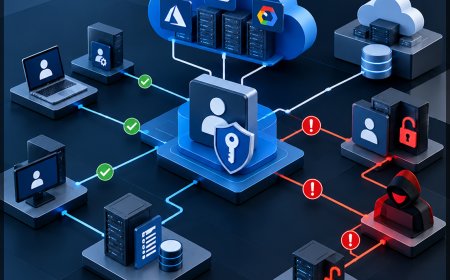










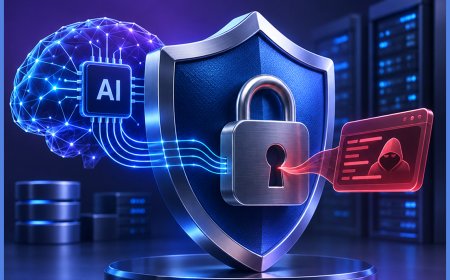




Can Your Organization Detect an AI-Powered Cyberattack? Start With a Threat Assessment
Assess AI-powered cyber threats with CyberSec Consulting. Test SIEM, SOC, EDR, XDR, IAM, PAM, threat intelligence, and response capabilities across the UAE, UK, Saudi Arabia, Egypt, and Africa.



Introduction
One in four malicious breaches is now AI-enabled, representing a 56% increase over the previous year, according to IBM research. AI is giving attackers greater speed, scale, and precision across reconnaissance, phishing, social engineering, malware development, and attack execution. Modern threats can adapt faster, generate convincing content, and automate activities that once required significant manual effort.
This creates a growing detection challenge for CISOs and CIOs across highly regulated, rapidly digitising, and expanding business environments in the Middle East, Europe, and African markets.
Organizations may already operate SIEM, EDR, XDR, IAM, firewalls, and threat intelligence platforms, yet effective detection coverage can remain incomplete. Tool deployment alone does not prove that security teams can identify and respond to a modern AI-enabled attack. Gaps in visibility, logging, correlation, identity monitoring, and alert analysis can allow malicious activity to go unnoticed.
An AI-powered cyber threat assessment provides a practical way to test these capabilities, helping organizations measure how well their security controls detect realistic attack techniques and identify the gaps that require attention.
What Is an AI-Powered Cyberattack?
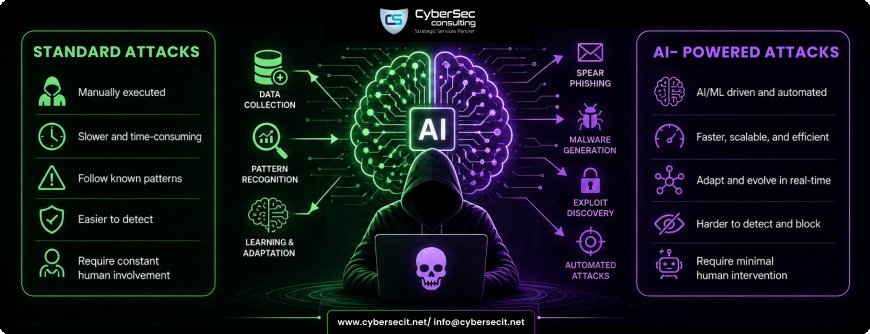
An AI-powered cyberattack is a cyberattack where attackers use artificial intelligence to make reconnaissance, deception, exploitation, credential abuse, and movement across systems faster, more adaptive, and more scalable.
For business and security leaders, the key concern is that AI can help attackers continuously analyse information, adjust tactics, and target users, identities, applications, and infrastructure with greater precision.
- Automate Reconnaissance - AI can rapidly analyse public information, digital assets, domains, technologies, and exposed services to identify potential targets.
- Generate Convincing Phishing Content - AI can create highly personalised emails and messages that closely match the language, role, and communication style of targeted employees.
- Conduct Social Engineering - AI can analyse available information about employees and organisations to create more credible conversations and manipulation techniques.
- Modify Malicious Code - AI can help attackers alter malicious code and adapt its behaviour to avoid basic detection patterns.
- Identify Attack Paths - AI can analyse relationships between users, identities, applications, vulnerabilities, and systems to identify potential routes into critical assets.
- Automate Credential Attacks - AI can support large-scale credential attacks by testing stolen credentials and adapting attack patterns based on responses.
- Evade Basic Security Controls - AI can help attackers change files, behaviours, communication patterns, and techniques to reduce the likelihood of triggering simple security rules.
- Accelerate Lateral Movement - AI can analyse compromised environments and help attackers identify additional accounts, systems, and access routes to expand their reach.
Why AI-Powered Attacks Create a Detection Challenge?

AI-powered attacks create a detection challenge because attackers can operate faster, adapt their behaviour, and use legitimate technologies to blend into normal business activity. Security controls may generate alerts without providing enough context to identify the full attack chain. Organisations serving regulated sectors, financial services, healthcare, government, critical infrastructure, and digitally connected enterprises need detection capabilities that can connect activity across users, endpoints, cloud platforms, and applications.
- High Volumes of Security Alerts - Large alert volumes can overwhelm security teams and allow important indicators of an AI-powered attack to be missed.
- Shorter Attack Timelines - AI can help attackers move from reconnaissance to exploitation faster, reducing the time available for investigation and response.
- Identity-Based Attacks - Compromised credentials and trusted accounts can allow attackers to operate through legitimate identities without triggering obvious malware alerts.
- Legitimate Tools Being Abused - Attackers can misuse approved applications and administrative tools, making malicious activity appear similar to normal business operations.
- Encrypted Traffic - Encryption can limit visibility into network activity and make suspicious communication harder to inspect without suitable monitoring capabilities.
- Cloud and SaaS Complexity - Distributed cloud services, SaaS applications, remote users, and multiple identities create more points where malicious activity can hide.
- AI-Generated Phishing and Social Engineering - Highly personalised messages can appear authentic and make traditional phishing indicators less reliable.
- Gaps Between Security Platforms - Separate SIEM, EDR, XDR, IAM, firewall, and threat intelligence platforms may fail to connect related events, leaving the complete attack pattern hidden.
Security Tools vs. Security Detection Capability
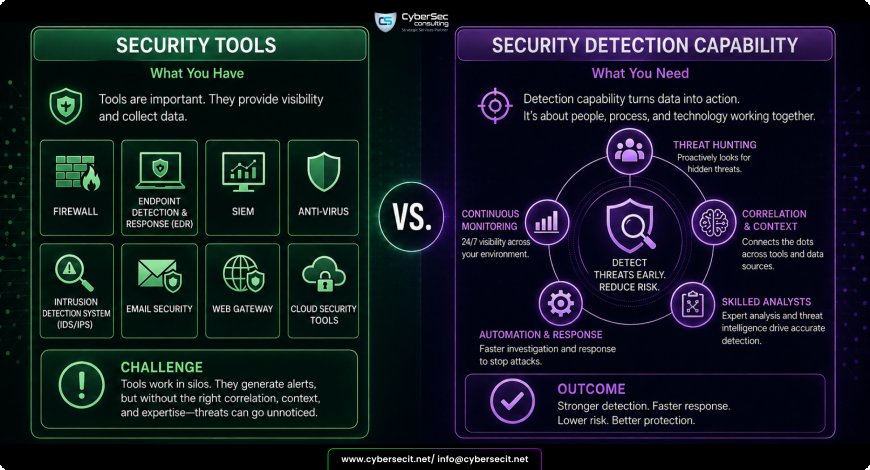
Having security controls does not automatically mean an organization can detect a real attack. SIEM, EDR, XDR, IAM, threat intelligence, firewalls, and SOC capabilities provide important layers of protection. Their presence only confirms that controls have been deployed. Security leaders also need evidence that these controls can identify realistic attacker behaviour, connect related events, and support timely response.
The difference becomes critical for organizations managing sensitive data, regulated operations, cloud environments, and complex digital infrastructure across the Middle East, Europe, and Africa. A threat assessment tests whether security capabilities work as expected against realistic attack scenarios. It examines visibility, alert quality, event correlation, identity activity, analyst response, and the ability to detect modern AI-powered attacks.
| Security Capability | What You Have | What You Need to Know |
| SIEM | Centralized logs and security events | Can it detect relevant attack patterns and connect activity across multiple sources? |
| EDR/XDR | Endpoint visibility and security telemetry | Can it identify suspicious behaviour and detect advanced attacker activity? |
| IAM | Identity controls and access management | Can abnormal login behaviour, account misuse, and privilege abuse be detected? |
| Threat Intelligence | Threat feeds and indicators | Are relevant threat signals reaching analysts and improving detection decisions? |
| SOC | Security analysts and monitoring processes | Can the team identify, investigate, and respond within the required timeframe? |
What Is a Cyber Threat Assessment?

A cyber threat assessment evaluates how effectively an organization can identify, investigate, and respond to realistic cyber threats across its technology and security environment.
- Existing Security Controls - Reviews whether current security technologies provide effective protection against relevant threats.
- Detection Rules - Examines whether security rules can identify suspicious activities and attack techniques.
- Logging Coverage - Checks whether critical systems generate sufficient logs for security investigation.
- SIEM Visibility - Evaluates whether the SIEM provides clear visibility into threats across the environment.
- EDR/XDR Capabilities - Assesses endpoint and extended detection capabilities against modern attack behaviours.
- Identity Monitoring - Reviews visibility into suspicious logins, privilege misuse, and abnormal identity activity.
- Threat Intelligence - Evaluates whether relevant threat intelligence supports proactive detection and investigation.
- Incident Response - Assesses how effectively security teams can investigate, contain, and respond to threats.
- Security Gaps - Identifies weaknesses that could allow attackers to remain undetected or cause greater impact.
- Detection and Response Maturity - Measures how prepared the organization is to detect, investigate, and respond to evolving cyber threats.
How a Threat Assessment Tests AI-Powered Attack Detection?
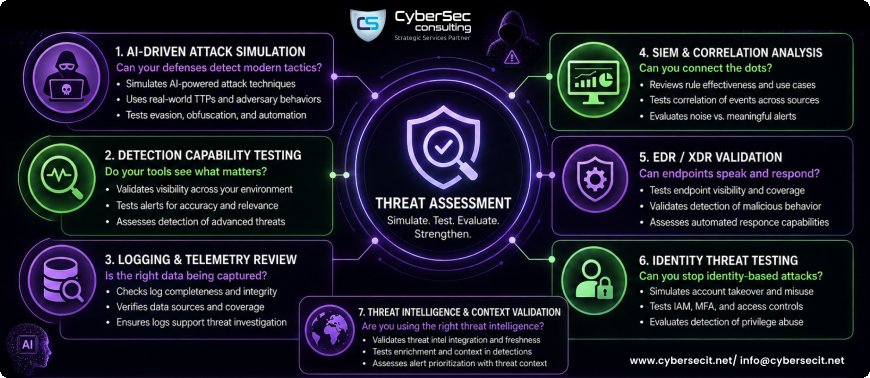
A threat assessment tests whether security controls can detect and respond to AI-powered attacks across every stage of the attack chain, helping organizations identify detection weaknesses before real attackers exploit them.
Attack Chain
Reconnaissance → Initial Access → Credential Compromise → Privilege Escalation → Lateral Movement → Data Access → Exfiltration → Response
What the Assessment Evaluates?

- What telemetry is available? - Checks whether endpoints, identities, networks, cloud platforms, and applications provide useful security telemetry.
- Which security tool should detect the activity? - Maps each attack behaviour to the appropriate SIEM, EDR, XDR, IAM, NDR, or other security capability.
- Is an alert generated? - Verifies whether suspicious activity produces an accurate and actionable security alert.
- Does the SOC receive the alert? - Confirms that relevant alerts reach the security operations team without critical visibility gaps.
- Can analysts investigate it? - Tests whether analysts have enough evidence, context, and telemetry to understand the attack.
- Is automated response available? - Checks whether security controls can automatically isolate endpoints, disable accounts, block activity, or contain threats.
- How quickly can the organization contain the threat? - Measures the time required to identify, investigate, contain, and control the attack before business impact increases.
Detection Capabilities Assessment

A detection capabilities assessment measures how effectively security teams identify suspicious activity, validate alerts, and respond to realistic attack techniques across enterprise, cloud, identity, and endpoint environments.
- Detection Rules - Reviews whether security rules identify relevant threats and suspicious activities accurately.
- Behavioral Analytics - Checks whether unusual user, endpoint, network, and application behaviours can be detected.
- Threat Detection Use Cases - Evaluates whether detection scenarios cover realistic threats relevant to the organization.
- Attack Technique Coverage - Measures whether security controls can detect techniques used across different stages of an attack.
- Alert Quality - Assesses whether alerts provide accurate, relevant, and actionable information for analysts.
- Detection Gaps - Identifies attack activities that existing security controls may fail to detect.
- False Positives - Measures how often legitimate activity incorrectly triggers security alerts.
- False Negatives - Identifies malicious activity that security controls fail to detect.
- Detection Response Times - Measures how quickly teams identify, investigate, and act on security alerts.
Identifying Security Gaps

A threat assessment identifies weaknesses that can reduce an organization’s ability to detect, investigate, and contain cyber threats across enterprise, cloud, identity, and security operations environments.
- Missing Logs - Identifies critical systems that lack sufficient security logs for effective investigation.
- Weak Detection Rules - Finds detection rules that fail to identify relevant attack behaviours accurately.
- Blind Spots in Cloud Environments - Reveals cloud workloads, services, or activities that lack adequate security visibility.
- Poor Identity Monitoring - Identifies gaps in monitoring suspicious authentication, privilege changes, and account activity.
- Incomplete EDR Coverage - Detects endpoints that lack adequate EDR protection, telemetry, or monitoring.
- Unmonitored Privileged Accounts - Highlights administrative accounts that lack sufficient activity monitoring and oversight.
- Slow Incident Response - Identifies delays in alert investigation, threat containment, and incident handling.
- Threat Intelligence Gaps - Reveals weaknesses in using relevant threat intelligence to improve detection and investigation.
- Excessive False Positives - Identifies unnecessary alerts that can increase analyst workload and delay genuine threat investigation.
- Poor Integration Between Security Tools - Detects weak data sharing between SIEM, EDR, IAM, cloud, and other security technologies.
How to Strengthen AI-Powered Attack Detection?

Organizations can strengthen AI-powered attack detection by improving visibility, expanding detection coverage, and building faster response capabilities across enterprise, cloud, identity, and security operations environments.
- Improve Security Telemetry - Ensure critical endpoints, cloud services, identities, networks, and applications generate complete security data.
- Expand SIEM Detection Use Cases - Build detection scenarios that address emerging attack techniques and organization-specific risks.
- Strengthen EDR/XDR Coverage - Extend endpoint and extended detection coverage across users, servers, workloads, and remote environments.
- Monitor Identity Behavior - Detect unusual authentication, privilege changes, account activity, and access patterns.
- Integrate Actionable Threat Intelligence - Use relevant intelligence to improve detection rules, threat hunting, and incident investigation.
- Automate Repetitive Response Actions - Automate tasks such as account disabling, endpoint isolation, and malicious activity blocking.
- Conduct Regular Threat Assessments - Regular assessments help validate security controls against evolving attack methods.
- Test Detection Capabilities Against Realistic Attack Scenarios - Simulated attacks reveal whether security controls can detect threats across the complete attack lifecycle.
- Establish Continuous Threat Hunting - Proactive hunting helps uncover suspicious activities that automated detection may overlook.
- Measure MTTD and MTTR - Track mean time to detect and mean time to respond to identify opportunities for faster security operations.
Identity Monitoring: The New Detection Layer
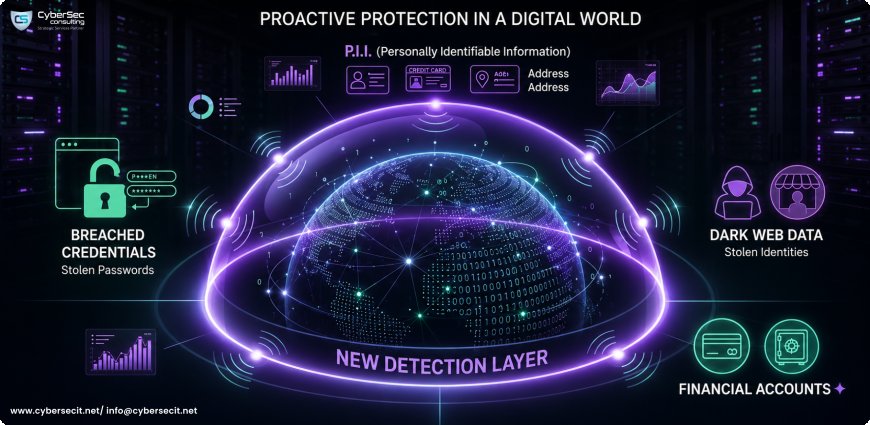
Identity monitoring gives security teams deeper visibility into credential misuse, privilege abuse, and suspicious access across IAM, PAM, identity threat detection and response, and Zero Trust environments.
- Authentication Anomalies - Detects unusual login attempts, locations, devices, and authentication behaviours.
- Impossible Travel - Identifies account activity from geographically distant locations within an unrealistic timeframe.
- Privilege Escalation - Detects unexpected increases in user permissions or administrative access.
- Dormant Account Activity - Flags previously inactive accounts that suddenly authenticate or access sensitive resources.
- MFA Anomalies - Identifies unusual MFA requests, repeated prompts, failed attempts, or suspicious authentication changes.
- Privileged Account Behavior - Monitors administrative accounts for unusual commands, access, and privilege usage.
- Service Accounts - Detects abnormal authentication and resource access involving non-human service identities.
- Third Party Identities - Monitors external users and partner accounts for suspicious access to business resources.
- Unusual Access Patterns - Identifies abnormal access times, applications, resources, locations, and user behaviour.
Why Should CISOs and CIOs Conduct Regular Threat Assessments?

Regular threat assessments give CISOs and CIOs a clear view of security readiness, helping leadership align technology investments, operational priorities, and regulatory expectations with real cyber risk.
- Where is the organization exposed? - Identifies critical systems, assets, identities, and environments that remain vulnerable to cyber threats.
- What security tools can actually detect? - Shows whether existing SIEM, EDR, XDR, IAM, and other controls can detect realistic attack activity.
- Where visibility is missing? - Highlights gaps across cloud, endpoints, identities, networks, applications, and critical business systems.
- Which risks require immediate investment? - Prioritizes security weaknesses that could create significant operational, financial, or compliance impact.
- Whether SOC capabilities match business risk? - Evaluates whether security operations have the people, processes, technologies, and response capabilities needed for the organization.
- Whether security controls support regulatory requirements? - Assesses whether monitoring, detection, logging, and response capabilities align with applicable cybersecurity and data protection obligations.
- How prepared the organization is for AI-powered threats? - Measures the organization’s ability to detect evolving attacks that use AI for faster reconnaissance, credential abuse, evasion, and exploitation.
Conclusion
Security tools alone do not confirm an organization’s readiness for AI-powered cyberattacks. SIEM, EDR, XDR, IAM, threat intelligence, and security monitoring platforms must work together to provide meaningful visibility and timely detection. Strong cybersecurity requires proof that these controls can identify realistic attack behaviors across endpoints, identities, cloud environments, networks, and applications.
A cyber threat assessment gives CISOs, CIOs, and security leaders a clear view of detection capabilities, logging coverage, security gaps, incident response readiness, and threat intelligence effectiveness. It helps organizations prioritize cybersecurity investments based on actual risk and strengthen AI security, threat detection, SOC operations, cyber resilience, and security governance. Regular assessment also helps maintain detection readiness as attack techniques continue to evolve.
Know what you can detect. Find what you cannot. Strengthen what matters.
CyberSec Consulting helps organizations move beyond simply deploying security tools and understand whether those controls can actually detect and respond to modern AI-powered threats. Our Cyber Threat Assessment evaluates SIEM, SOC, EDR, XDR, IAM, PAM, threat intelligence, logging, detection use cases, and incident response capabilities against realistic attack scenarios.
Our service-based solutions help organizations identify security gaps, improve detection coverage, strengthen identity monitoring, enhance SOC effectiveness, and build stronger cyber resilience across cloud, endpoint, network, and identity environments.
Know what your security controls can detect. Identify the gaps before attackers do. Strengthen your organization with CyberSec Consulting’s assessment, consulting, implementation, and managed security services.
Ready to test your detection capability? Connect with CyberSec Consulting to assess your security readiness and build a stronger defence against evolving AI-powered attacks.
FAQs
What is an AI-powered cyber threat assessment?
An AI-powered cyber threat assessment evaluates whether security controls can detect, investigate, and respond to modern AI-enabled attack techniques across endpoints, identities, cloud, networks, and applications.
Why do organizations need an AI-powered threat assessment?
AI-enabled attacks can move faster, adapt their behaviour, and exploit identities and legitimate tools. An assessment helps security leaders identify detection gaps before these weaknesses create business impact.
What security controls are evaluated during the assessment?
The assessment can evaluate SIEM, SOC, EDR, XDR, IAM, PAM, threat intelligence, security monitoring, logging, detection rules, and incident response capabilities.
How does the assessment identify security gaps?
Realistic attack scenarios are mapped across reconnaissance, initial access, credential compromise, privilege escalation, lateral movement, data access, and response to identify visibility and detection weaknesses.
Can a threat assessment improve SOC performance?
Yes. Assessment findings can help improve detection use cases, alert quality, threat hunting, investigation workflows, response processes, and MTTD and MTTR performance.
How can CyberSec Consulting help strengthen AI attack detection?
CyberSec Consulting provides assessment, consulting, implementation, and managed security services that help organizations strengthen threat detection, identity security, SOC operations, SIEM, EDR, XDR, IAM, PAM, threat intelligence, and cyber resilience.
What's Your Reaction?
 Like
0
 Dislike
0
 Love
0
 Funny
0
 Angry
0
 Sad
0
 Wow
0