






















Security Control Validation: How to Know Whether Your Defenses Actually Work
Strengthen your cyber defenses with security control validation in the UAE. Discover how CyberSec Consulting helps businesses identify security gaps and improve threat detection.


Introduction
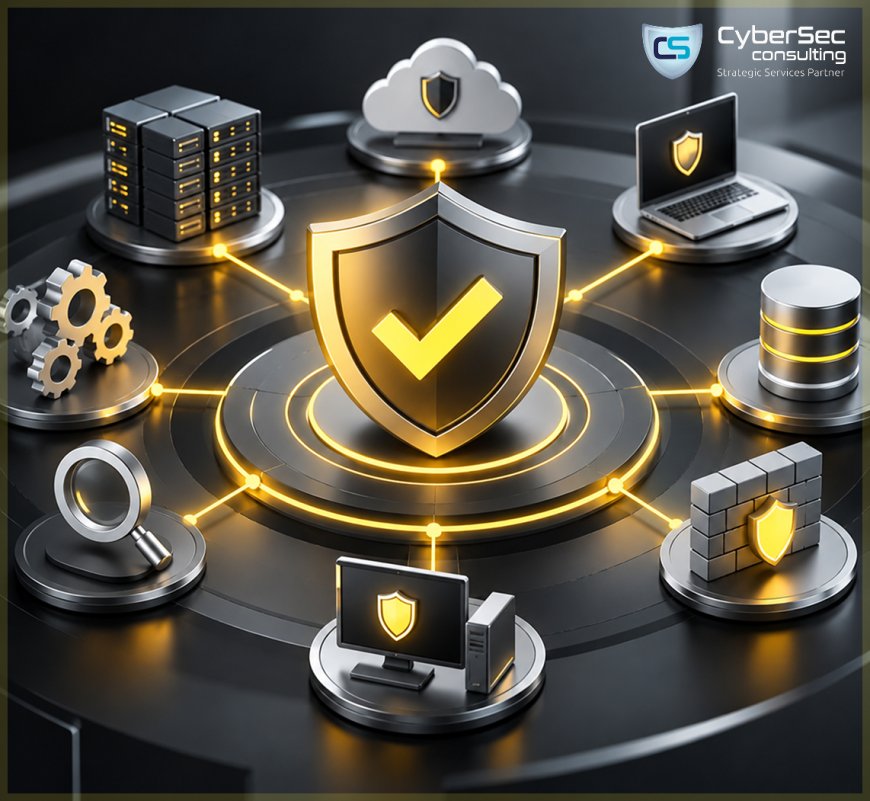
Cyber threats are evolving rapidly across the UAE. Businesses in Dubai and Abu Dhabi need more than advanced security tools to protect critical systems, sensitive data, and digital operations. Cybersecurity control validation helps organisations determine whether their defenses can prevent attacks, detect suspicious activity, and contain security incidents.
Many enterprises invest in endpoint detection and response (EDR), Security Information and Event Management (SIEM), Identity and Access Management (IAM), firewalls,s and managed security services. Yet these tools can leave gaps when configurations are incorrect or threat-detection rules fail. Regular security control testing helps identify these weaknesses before attackers exploit them.
Organisations seeking cybersecurity assessment services in the UAE need clear evidence of their security posture. CyberSec Consulting helps businesses assess cyber risks, evaluate defensive controls, and strengthen enterprise security. Effective security validation turns assumptions into measurable results and supports stronger cyber resilience.
What Is Security Control Validation?
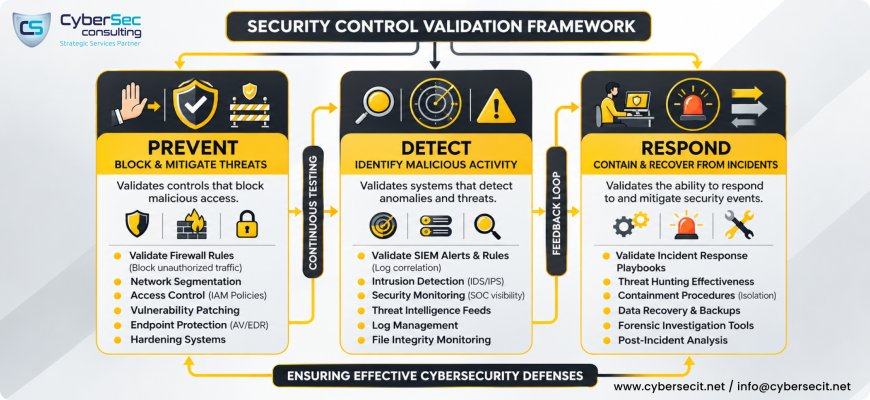
Security control validation is the process of testing whether cybersecurity defenses work as expected against real-world threats. Businesses in Dubai, Abu Dhabi, and across the UAE can use security control validation services to identify weaknesses and improve their overall security posture.
Effective cybersecurity control testing focuses on three key objectives
- Prevent - Can security controls block unauthorised access, malicious activity, and suspicious network traffic?
- Detect - Can endpoint detection and response (EDR), SIEM, and threat monitoring solutions identify potential cyberattacks?
- Respond - Can security teams quickly investigate alerts, contain threats, and restore affected systems?
Security control validation differs from a security audit, vulnerability assessment, and penetration testing. A security audit reviews policies and compliance requirements. A vulnerability assessment identifies known weaknesses across systems and applications. Penetration testing attempts to exploit weaknesses within an authorised scope. Security control validation tests whether defensive measures perform effectively against relevant attack scenarios.
UAE organisations can benefit from this approach to strengthen cybersecurity risk management, network security, identity security, and regulatory compliance. CyberSec Consulting helps businesses evaluate security gaps and improve their cyber resilience through focused cybersecurity assessment and consulting services.
Why Security Tools Can Create a False Sense of Security
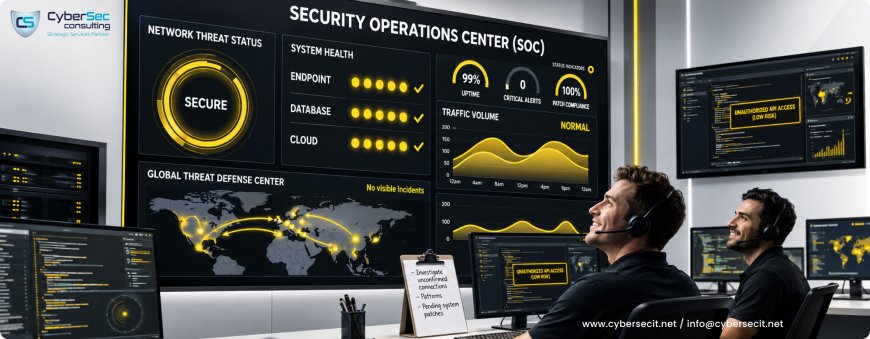
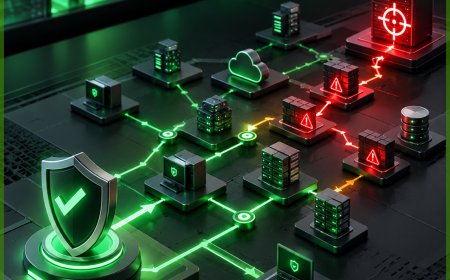
A green security dashboard does not always mean your business is protected. Organisations across Dubai and Abu Dhabi invest in cybersecurity solutions in the UAE, yet hidden security gaps can leave critical systems exposed to cyberattacks.
Misconfigured Endpoint Detection and Response (EDR) tools may fail to block suspicious activity. SIEM solutions may miss attack patterns due to weak detection rules or incomplete log collection. Excessive user privileges and unmanaged identities can also create opportunities for unauthorised access. Poorly configured firewalls may leave unnecessary network access open. Missing cloud security policies and data protection controls can further increase cyber risk.
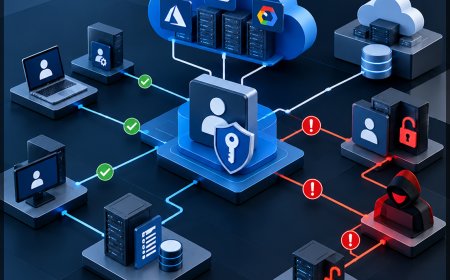
Consider a UAE enterprise using multiple security tools across its corporate network. An attacker compromises an employee account and exploits excessive permissions to access sensitive business data. The activity moves between systems without triggering an effective alert. Security tools remain active, but the security team lacks clear evidence of the breach.
Delayed alert investigation can make the situation worse. Cybersecurity assessment services in Dubai and across the UAE help identify these weaknesses through structured security testing and control validation.
CyberSec Consulting helps organisations evaluate endpoint security, SIEM, identity and access management, and network security controls. Regular validation helps businesses identify blind spots, reduce cyber risk and strengthen enterprise security.
Which Security Controls Should Organisations Validate
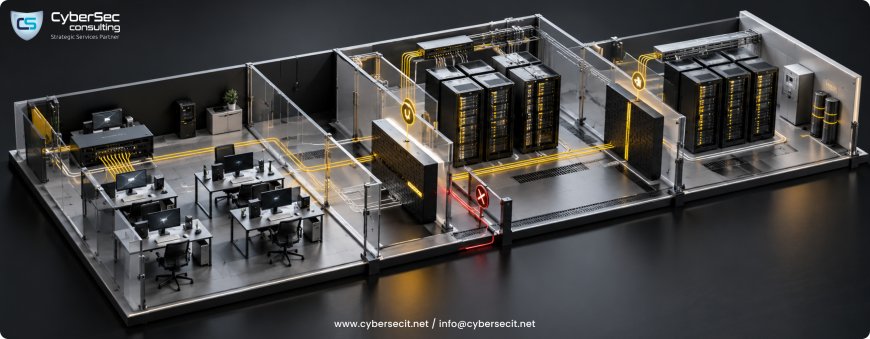
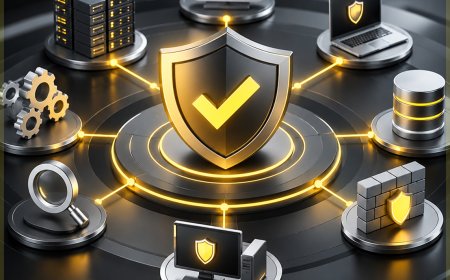
Businesses across Dubai, Abu Dhabi and the wider UAE need to verify that their cybersecurity defenses work as expected. Security control validation in the UAE helps organisations identify weaknesses across critical systems, reduce cyber risks and improve enterprise security.
Endpoint Detection and Response (EDR)
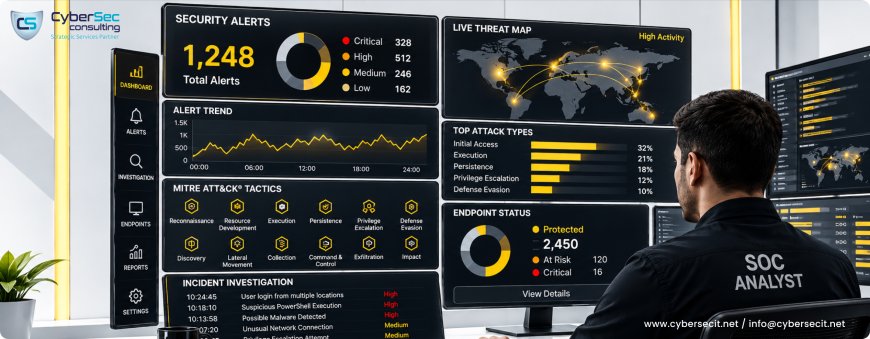
EDR security testing checks whether endpoint protection can block malicious execution, detect suspicious behaviour, and prevent unauthorised activity. UAE businesses should validate endpoint security configurations and threat detection capabilities to strengthen protection against ransomware and malware attacks.
Security Information and Event Management (SIEM)
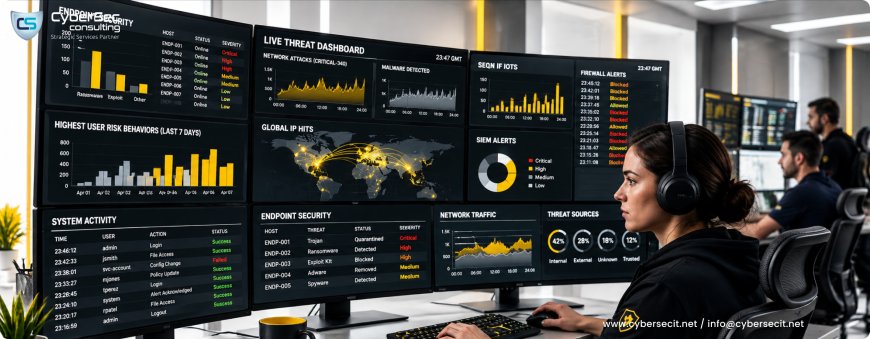
SIEM validation examines log collection, detection rules, alert accuracy, and incident escalation. Effective SIEM security assessment services in Dubai help security teams identify monitoring gaps and improve threat detection across enterprise networks.
Identity and Access Management (IAM) and Privileged Access Management (PAM)
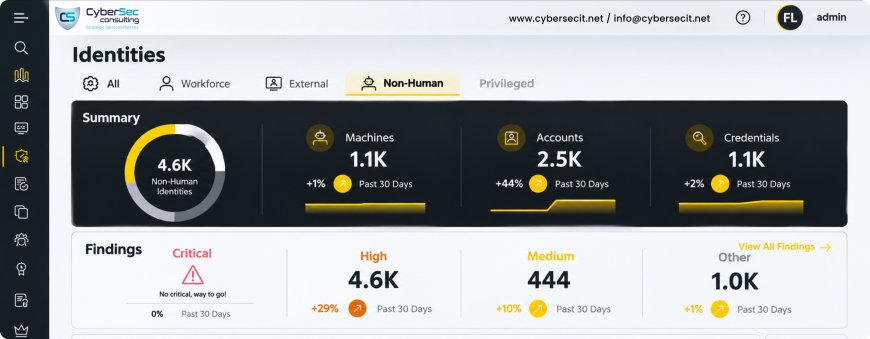
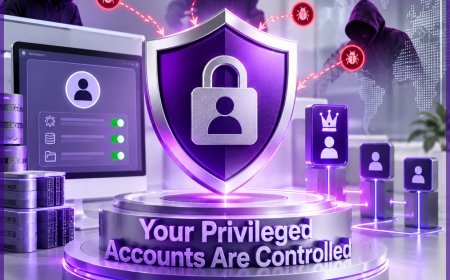
Identity security testing verifies user permissions, privileged accounts, authentication policies, and access reviews. IAM and PAM security services in the UAE help organisations reduce excessive privileges, control administrative access, and protect critical business applications.
Firewalls and Network Security
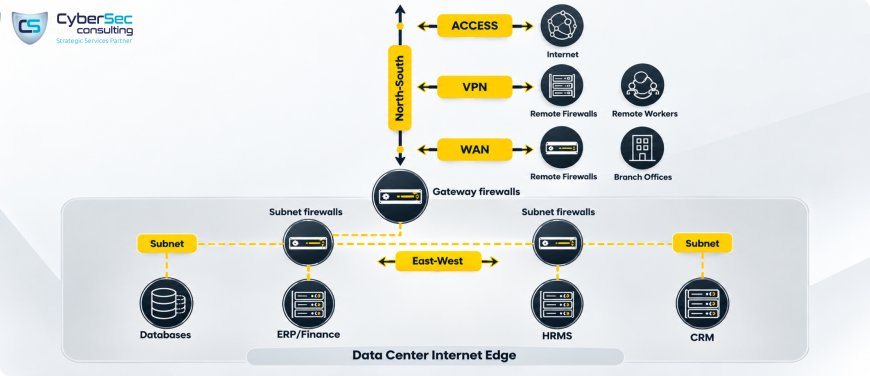
Firewall validation checks access rules, network segmentation, exposed services, and unauthorised connections. Regular network security assessment in the UAE helps identify unnecessary access paths and strengthen protection across corporate infrastructure.
Cloud Security and Data Protection
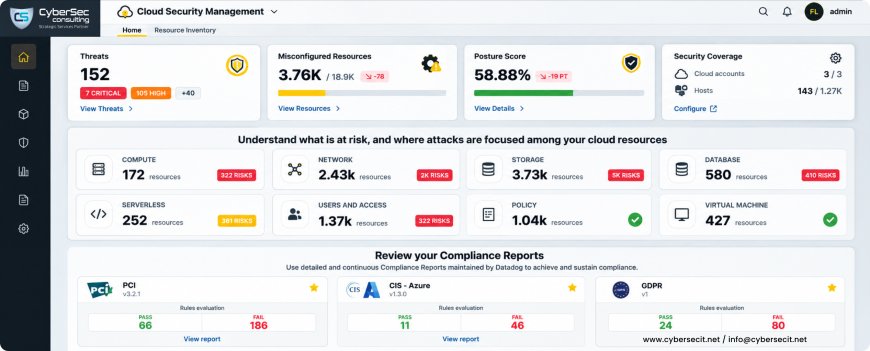
Cloud security validation examines configuration errors, storage permissions, sensitive data access, and data loss prevention controls. Businesses using cloud infrastructure need effective security policies to protect business information and reduce unauthorised access.
Security Control Validation vs. Penetration Testing vs. Breach and Attack Simulation
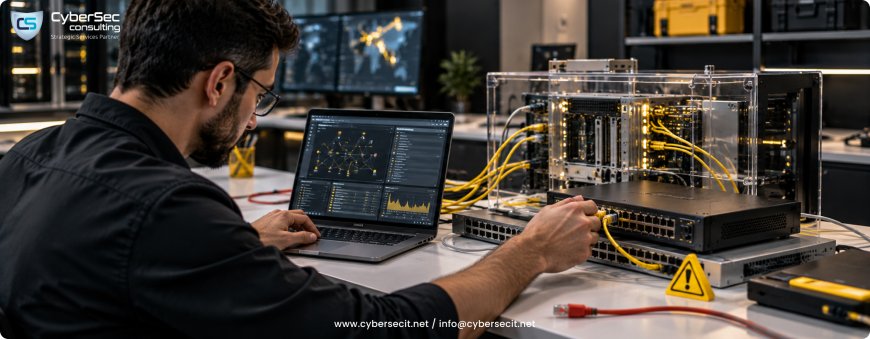
| Approach | Main Purpose |
| Vulnerability Assessment | Identifies known weaknesses and exposure. |
| Penetration Testing | Demonstrates whether vulnerabilities can be exploited within a defined scope. |
| Breach and Attack Simulation (BAS) | Simulates attack techniques to evaluate defensive capabilities. |
| Security Control Validation Testing Methods | Evaluates whether controls perform as intended across relevant scenarios, using suitable methods |
How to Validate Security Controls
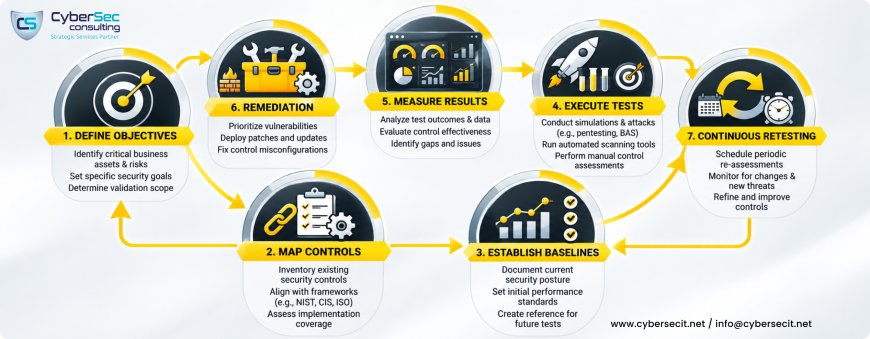
Effective security control validation in the UAE helps organisations identify cybersecurity weaknesses before attackers exploit them. Businesses in Dubai, Abu Dhabi and across the Emirates can follow a structured approach to test security controls, improve threat detection and strengthen cyber resilience.
- Define Your Security Objectives - Identify critical business assets, sensitive data and potential cyber risks. Set clear objectives for endpoint security, network protection, identity management and cloud security.
- Map Controls to Attack Scenarios - Identify realistic threats that could affect your organisation. Map relevant attack techniques to EDR, SIEM, IAM, PAM, and firewall controls. This helps reveal gaps in your cybersecurity defenses.
- Establish a Security Baseline - Review existing security configurations, access permissions, detection rules, and monitoring coverage. Document expected control behaviour to create a baseline for security assessment.
- Execute Controlled Security Tests - Conduct authorised attack simulations and safe validation tests. Evaluate whether security controls can prevent malicious activity and detect suspicious behaviour without disrupting business operations.
- Measure Security Control Effectiveness - Record which tests succeeded or failed. Assess detection coverage, response times, alert accuracy, and prevention performance. These metrics help security teams understand their actual defensive capabilities.
- Remediate Identified Security Gaps - Correct configuration errors, strengthen detection rules, and remove excessive user privileges. Cybersecurity assessment services in Dubai can help organisations prioritise weaknesses according to business risk.
- Retest and Monitor Continuously - Repeat failed tests after remediation. Monitor changes in infrastructure, user access, and emerging threats. Continuous security control validation helps UAE businesses maintain effective defenses and improve compliance readiness.
How to Measure Security Control Effectiveness
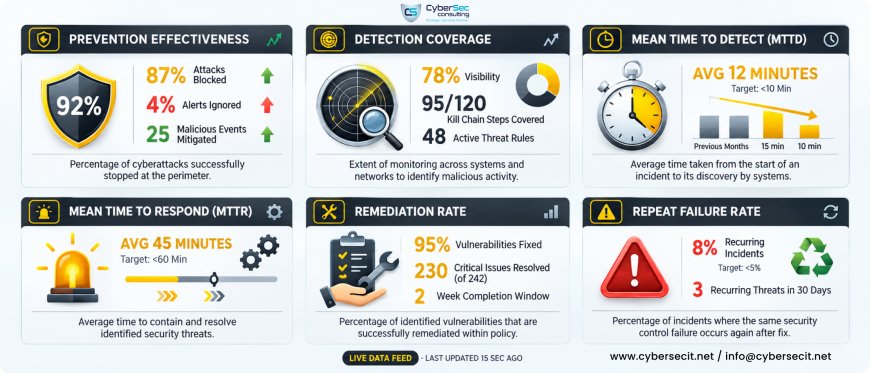
Measuring security control effectiveness in the UAE helps organisations understand whether their cybersecurity investments deliver meaningful protection. Businesses in Dubai and Abu Dhabi can use clear performance indicators to evaluate security controls, identify weaknesses,s and improve cyber risk management.
Security teams should track these six key metri.cs
- Prevention Effectiveness - Measures the percentage of relevant test scenarios successfully blocked by security controls. This helps evaluate endpoint protection, firewalls, and access restrictions.
- Detection Coverage - Measures the percentage of relevant simulated attack behaviours detected by SIEM, EDR, and threat monitoring solutions. Strong detection coverage helps reduce security blind spots.
- Mean Time to Detect (MTTD) - Measures how quickly security teams identify suspicious activity or a potential cyber incident.
- Mean Time to Respond (MTTR) - Tracks the time required to begin or complete incident response. Organisations should define the measurement clearly and apply it consistently.
- Remediation Rate - Measures the percentage of identified security gaps corrected and successfully retested.
- Repeat Failure Rate - Tracks how often previously resolved control weaknesses appear again.
Role of Security Control Validation in Compliance and Risk Management

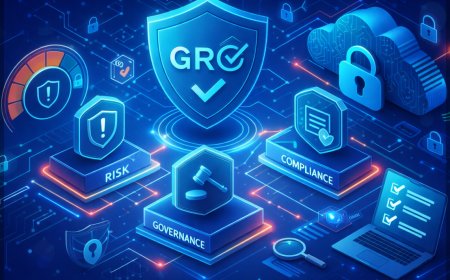
Businesses across Dubai, Abu Dhabi and the wider UAE must protect sensitive information and demonstrate effective cybersecurity risk management. Security control validation in the UAE helps organisations verify whether security measures operate as intended and produce evidence to support compliance reviews, internal audits and risk assessments.
Frameworks such as ISO 27001, the NIST Cybersecurity Framework and PCI DSS provide guidance on managing information security risks and protecting sensitive data. Regular security control testing helps organisations identify weaknesses, assess control performance and document corrective actions.
UAE businesses must also consider applicable national cybersecurity requirements and data protection obligations, including relevant UAE Information Assurance requirements and the UAE Personal Data Protection Law. Organisations operating in Saudi Arabia may need to address applicable National Cybersecurity Authority controls and SAMA Cybersecurity Framework requirements, depending on their sector and regulatory scope.
Cybersecurity compliance services in Dubai can help businesses assess control gaps, strengthen security governance and improve audit readiness. CyberSec Consulting supports organisations through cybersecurity assessment, advisory and risk management services.
A single validation exercise does not guarantee regulatory compliance. Organisations need ongoing control monitoring, documented evidence and regular reassessment to address changing threats and evolving regulatory expectations. This approach supports stronger cyber resilience and more informed security decisions.
Building a Continuous Security Validation Programme
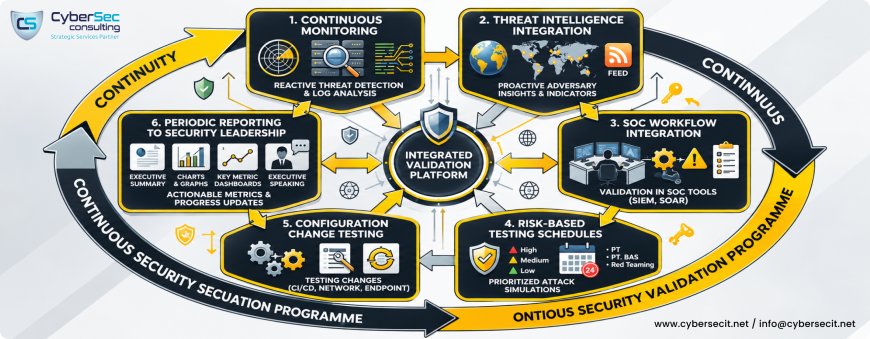
Cyber threats and business environments change constantly. A single cybersecurity assessment cannot guarantee long-term protection. Businesses in Dubai, Abu Dhabi, and across the UAE need continuous security control validation to identify emerging weaknesses and maintain effective cyber defenses.
A strong security validation programme should include these key practices:
- Continuous Security Monitoring - Monitor endpoint security, SIEM alerts, identity access, and network activity to identify potential threats.
- Risk-Based Testing Schedules - Prioritise critical business systems and sensitive data. Set testing frequency according to asset importance, threat exposure, and operational risk.
- Configuration Change Testing - Validate security controls after infrastructure updates, cloud migrations, application deployments, and permission changes.
- Threat Intelligence Integration - Use relevant threat intelligence to update test scenarios and assess defenses against evolving attack techniques.
- SOC Workflow Integration - Connect validation results with Security Operations Centre (SOC) processes to improve alert investigation, incident response, and threat detection.
- Regular Security Reporting - Provide CISOs and IT leaders with clear reports on control effectiveness, remediation progress, and outstanding security risks.
Conclusion
Strong cybersecurity requires more than deploying security tools. Businesses across Dubai, Abu Dhabi and the UAE need clear evidence that their defenses can prevent attacks, detect threats and support effective incident response. Security control validation in the UAE helps organisations identify security gaps, improve cyber risk management and strengthen enterprise security.
Regular testing of EDR, SIEM, IAM, PAM, network security and cloud security controls enables businesses to make informed decisions. A continuous validation programme also supports compliance readiness and long-term cyber resilience.
CyberSec Consulting helps UAE organisations assess security controls, identify weaknesses, and improve their cybersecurity posture through professional cybersecurity assessment and advisory services.
Ready to validate your security defenses?
Visit CyberSec Consulting to discuss your cybersecurity assessment requirements and strengthen your organisation's security strategy.
FAQs
What is security control validation, and why is it important for UAE businesses?
Security control validation tests whether cybersecurity defenses can prevent attacks, detect threats, and support incident response. Businesses in Dubai and Abu Dhabi can use security control testing to identify weaknesses, reduce cyber risks,s and improve enterprise security.
Which security controls should organisations validate?
Organisations should validate endpoint detection and response (EDR), SIEM, identity and access management (IAM), privileged access management (PAM), firewalls, network security and cloud security controls. Regular testing helps UAE businesses identify gaps and strengthen protection for critical systems and sensitive data.
How often should security controls be tested?
Testing frequency depends on business risk, asset criticality, threat exposure, and infrastructure changes. Critical security controls may require continuous monitoring and frequent validation. Organisations should also retest controls after major configuration changes, security incidents, and remediation activities.
What is the difference between security control validation and penetration testing?
Penetration testing identifies and demonstrates exploitable weaknesses within an authorised scope. Security control validation evaluates whether defensive measures work as intended against relevant attack scenarios. Both approaches help organisations improve cybersecurity and reduce exposure to potential attacks.
How does security control validation support cybersecurity compliance in the UAE?
Security control validation provides evidence of control performance, identifies security gaps,s and supports audit readiness. UAE organisations can use validation results to strengthen risk management and assess relevant requirements under ISO 27001, the UAE Information Assurance framework,rk and applicable data protection regulations. Testing alone does not guarantee compliance.
How can CyberSec Consulting help businesses validate their security controls?
CyberSec Consulting helps organisations assess cybersecurity risks, evaluate defensive controls, and identify weaknesses across endpoint security, SIEM, IAM, PAM, networks,s and cloud environments. Businesses seeking cybersecurity assessment services in Dubai and across the UAE can explore relevant security assessment and consulting services.
What's Your Reaction?
 Like
0
 Dislike
0
 Love
0
 Funny
0
 Angry
0
 Sad
0
 Wow
0