

UAE Phishing Statistics 2026: Why Email Attacks Are Rising Across Enterprises
Explore the latest UAE phishing statistics, AI-powered phishing trends, email security best practices, and enterprise cybersecurity solutions to prevent Business Email Compromise (BEC), credential theft, and cyber attacks with CyberSec Consulting.

Introduction
According to the UAE Cyber Security Council, 75% of cyberattacks begin with phishing emails, making phishing one of the most significant cybersecurity threats facing businesses today. As organizations accelerate digital transformation, embrace cloud computing, and adopt hybrid work models, cybercriminals are increasingly using AI-powered phishing.
Business Email Compromise (BEC) and credential theft attacks targeting enterprise environments. Strengthening email security, identity protection, and cyber resilience has become a top priority for organizations seeking to protect sensitive data, maintain regulatory compliance, and ensure uninterrupted business operations.
This article explores the latest phishing statistics, emerging attack trends, targeted industries, financial impacts, AI-driven phishing techniques, and proven cybersecurity strategies that help enterprises strengthen email security, Identity and access management (IAM), Zero Trust security, and threat intelligence against evolving cyber threats.
Why Phishing Remains the Cyber Threat for Enterprises?
Phishing continues to be the leading cyber threat because it exploits human behavior rather than technical vulnerabilities, enabling cybercriminals to steal credentials, launch Business Email Compromise (BEC) attacks, deploy ransomware, and bypass traditional security controls across modern enterprise environments.
Growth of Digital Transformation, Cloud Adoption, and Hybrid Work
Rapid adoption of cloud security, Software-as-a-Service (SaaS), remote work, Microsoft 365, and digital transformation initiatives has expanded the enterprise attack surface, creating more opportunities for AI-powered phishing campaigns, identity-based attacks, and unauthorized access to critical business systems.
Why Email Remains the Primary Attack Vector
Email remains the preferred attack vector because it provides cybercriminals with a direct path to employees, enabling them to deliver phishing emails, malicious attachments, credential-harvesting pages, QR code phishing (Quishing), and AI-generated social engineering attacks that can lead to data breaches and financial fraud.
What Readers Will Learn in This Report?
This report provides the latest phishing statistics, analyzes the industries most targeted by cybercriminals, examines AI-powered phishing trends, explains the financial and operational impact of email attacks, and outlines enterprise cybersecurity best practices - including Email Security, Identity and Access Management (IAM), Multi-Factor Authentication (MFA), Zero Trust Security, Threat Intelligence, and Managed SOC services - to help organizations strengthen cyber resilience and protect against evolving phishing threats.
UAE Phishing Landscape in 2026
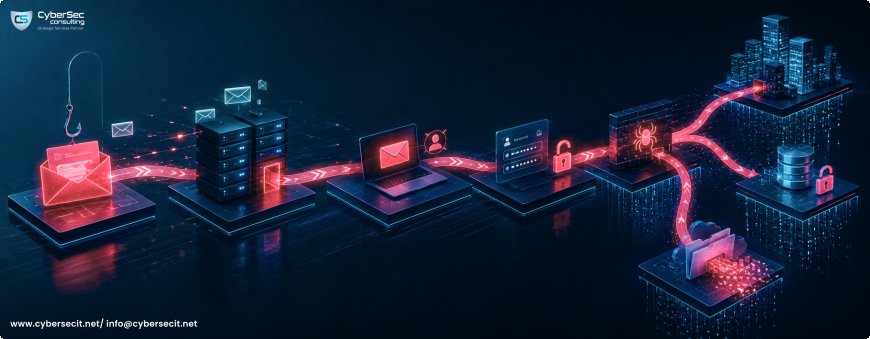
Phishing continues to dominate the cyber threat landscape as organizations accelerate digital transformation, cloud migration, and AI adoption across enterprise environments. Advanced phishing campaigns targeting Microsoft 365, cloud applications, financial systems, and executive identities are becoming more sophisticated, increasing the risk of credential theft, ransomware, and Business Email Compromise (BEC).
Strengthening enterprise email security, Identity and Access Management (IAM), Zero Trust Security, and AI-powered threat detection is now essential for protecting business-critical assets and maintaining regulatory compliance.
Current Phishing Threat Landscape
Modern phishing attacks leverage AI-driven social engineering, credential harvesting, and identity-based attacks to bypass standard security controls, making enterprise cybersecurity, email security solutions, and threat intelligence critical business priorities.
Growth of Email-Based Attacks
Rising adoption of cloud collaboration platforms, hybrid workplaces, and digital business operations has significantly increased email-based cyber attacks, making secure email gateways, anti-phishing protection, and advanced email security essential for enterprise defense.
Rise of Business Email Compromise (BEC)
Business Email Compromise (BEC) attacks continue to increase as cybercriminals impersonate executives, suppliers, and trusted partners to steal funds, compromise business communications, and execute large-scale financial fraud through sophisticated identity deception.
AI-Driven Phishing Campaigns
Artificial Intelligence enables attackers to create highly personalized phishing emails, deepfake communications, multilingual social engineering campaigns, and automated credential theft attacks, making AI-powered cybersecurity, identity protection, and behavioral threat detection increasingly important.
Why Enterprises Remain Prime Targets?
Large enterprises remain attractive targets because they manage high-value financial transactions, sensitive customer information, cloud infrastructure, and privileged identities, creating greater opportunities for credential theft, identity attacks, ransomware, and advanced persistent threats (APTs).
Latest UAE Phishing Statistics (2026)
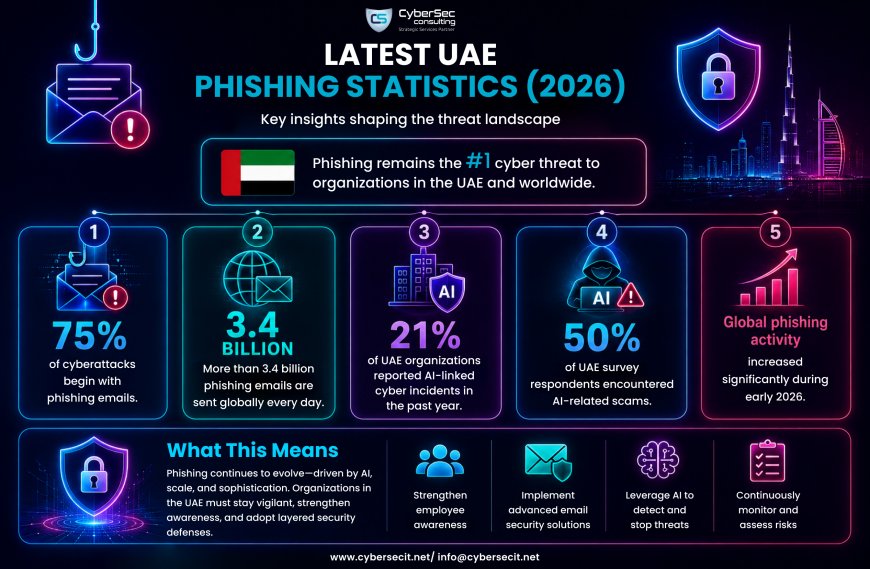
Email phishing continues to dominate the cybersecurity landscape as organizations expand their digital ecosystems, cloud infrastructure, and remote work capabilities. Recent industry reports highlight a sharp rise in AI-powered phishing, Business Email Compromise (BEC), and identity-based attacks, making email security,
Identity and Access Management (IAM), Zero Trust Security, and threat detection are top priorities for enterprise cybersecurity strategies. These statistics demonstrate why organizations must invest in proactive cyber defense to strengthen resilience against evolving phishing threats.
According to the UAE Cyber Security Council
- 75% of cyberattacks begin with phishing emails, making phishing the most common entry point for ransomware, credential theft, Business Email Compromise (BEC), and enterprise data breaches across modern digital environments.
- More than 3.4 billion phishing emails are sent globally every day, highlighting the growing need for advanced email security, secure email gateways, AI-powered threat detection, and continuous cybersecurity awareness training.
- 50% of survey respondents encountered AI-related scams, emphasizing the increasing use of generative AI for phishing emails, deepfake impersonation, fraudulent communications, and sophisticated credential harvesting campaigns.
According to Khaleej Times
- 21% of organizations reported AI-linked cyber incidents during the past year, demonstrating how AI-powered phishing, automated social engineering, and identity attacks are rapidly transforming the enterprise cybersecurity threat landscape.
According to the Anti-Phishing Working Group (APWG)
- Global phishing activity increased significantly during early 2026, reflecting the rapid growth of AI-driven phishing campaigns targeting cloud applications, Microsoft 365 environments, financial institutions, and enterprise identities worldwide
Why Email Attacks Are Increasing Across UAE Enterprises?
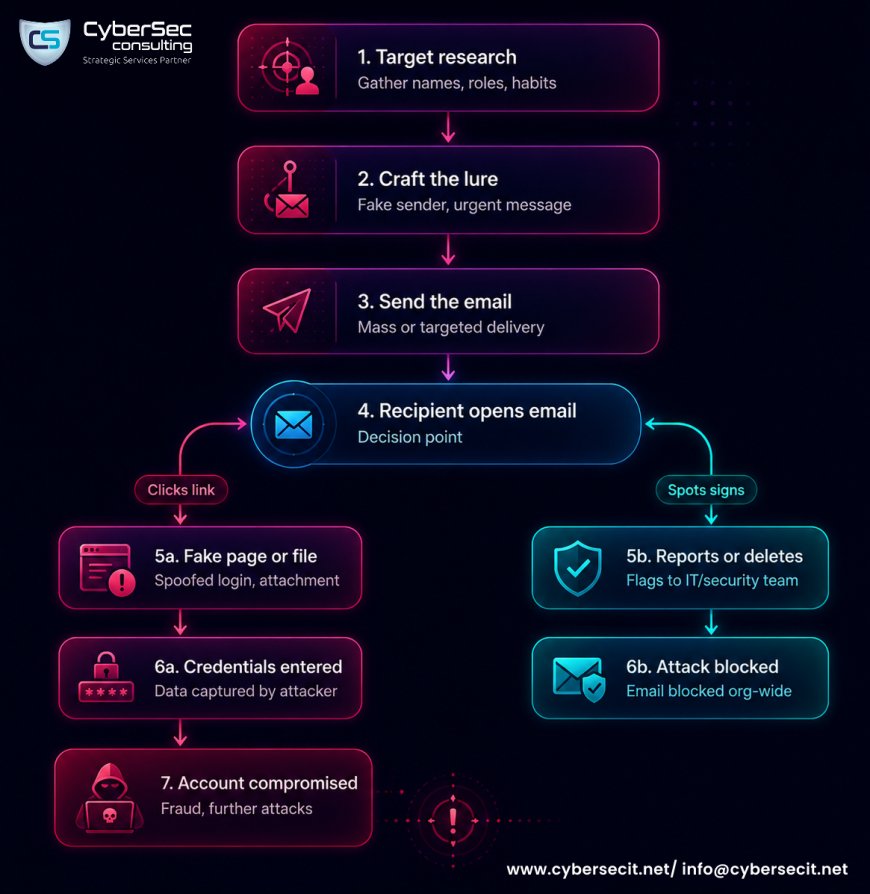
Enterprise email attacks are rising as organizations accelerate digital transformation, migrate critical workloads to the cloud, and expand remote work environments. Cybercriminals are leveraging Artificial Intelligence (AI), identity-based attacks, and advanced social engineering techniques to target business email systems, cloud platforms, and employee credentials.
Strengthening Email Security, Identity and Access Management (IAM), Zero Trust Security, Microsoft 365 Security, and Managed Detection and Response (MDR) has become essential for reducing cyber risk and improving enterprise cyber resilience.
Digital Transformation
Rapid digital transformation has expanded the enterprise attack surface, creating more opportunities for AI-powered phishing, credential theft, and Business Email Compromise (BEC) attacks targeting business-critical applications and digital identities.
Cloud Adoption
Growing reliance on cloud security and SaaS platforms has increased exposure to cloud-based phishing attacks, making Cloud Security Posture Management (CSPM), Identity Security, and Zero Trust Architecture critical for protecting enterprise environments.
Remote and Hybrid Workforce
Hybrid and remote work models have increased the number of unmanaged endpoints and remote access connections, creating additional opportunities for phishing campaigns, identity compromise, and unauthorized access attempts.
Microsoft 365 Adoption
Widespread deployment of Microsoft 365 has made enterprise email accounts a preferred target for cybercriminals seeking to steal credentials, compromise business communications, and access sensitive corporate data.
AI-Generated Phishing Emails
Generative AI enables attackers to create highly personalized phishing emails, executive impersonation scams, and multilingual social engineering campaigns that are increasingly difficult for employees and traditional security tools to detect.
Third-Party Ecosystem Attacks
Expanding business partnerships and interconnected digital ecosystems expose organizations to third-party cyber risks, allowing attackers to exploit trusted vendors, service providers, and external business communications.
Supply Chain Attacks
Modern supply chain attacks use compromised supplier accounts and trusted business relationships to distribute phishing emails, malware, and ransomware, increasing enterprise cybersecurity risks across interconnected organizations.
Credential Theft
Stolen usernames, passwords, session tokens, and authentication credentials remain among the most valuable assets for cybercriminals, enabling unauthorized access, privilege escalation, financial fraud, and identity-based cyber attacks.
Human Error
Human error continues to be one of the leading causes of successful phishing attacks, highlighting the importance of cybersecurity awareness training, email security solutions, Multi-Factor Authentication (MFA), and continuous threat monitoring to strengthen enterprise cyber resilience.
AI Is Changing Phishing Forever
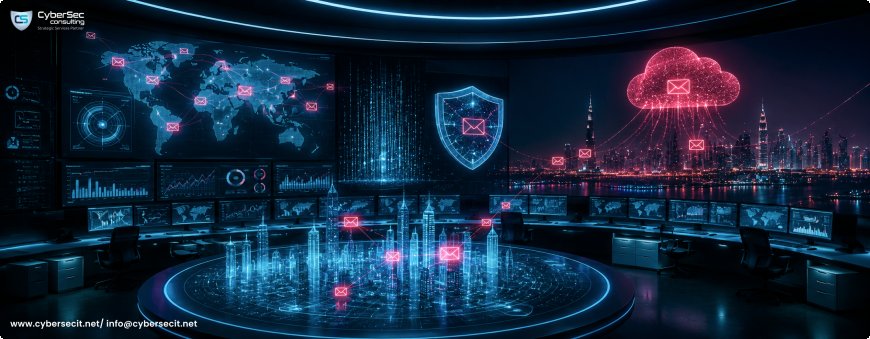
Artificial Intelligence has fundamentally transformed phishing attacks, making them faster, highly personalized, and significantly more difficult to detect. Cybercriminals now leverage Generative AI, Large Language Models (LLMs), and automation to launch sophisticated phishing campaigns targeting enterprise email systems, cloud platforms, and digital identities.
Organizations must strengthen AI-powered cybersecurity, Email Security, Identity and Access Management (IAM), Zero Trust Security, and Threat Intelligence to defend against the next generation of phishing attacks.
- AI-Generated Phishing Emails - AI enables cybercriminals to create convincing phishing emails with flawless grammar, personalized messaging, and trusted branding, increasing the success rate of credential theft, Business Email Compromise (BEC), and enterprise email attacks.
- Deepfake Voice Phishing - Deepfake technology allows attackers to impersonate executives, financial officers, and business leaders through realistic voice cloning, enabling sophisticated vishing attacks, financial fraud, and unauthorized payment requests.
- AI-Powered Social Engineering - Artificial Intelligence analyzes publicly available information to craft highly targeted social engineering attacks that exploit employee trust, bypass security awareness, and compromise sensitive business information.
- Personalized Phishing - Machine learning enables attackers to generate highly customized phishing campaigns based on employee roles, business relationships, cloud applications, and organizational structures, making attacks significantly harder to identify.
- AI Phishing Kits - AI-powered phishing kits automate fake login pages, credential harvesting portals, malware deployment, and email spoofing, allowing cybercriminals to launch enterprise-scale phishing attacks with minimal technical expertise.
- Automated Phishing Campaigns - AI automates phishing operations by generating thousands of personalized emails, identifying high-value targets, and continuously adapting attack techniques to evade modern Email Security and Threat Detection solutions.
- Large Language Models (LLMs) - Large Language Models (LLMs) enable attackers to create natural, multilingual phishing content, convincing business communications, and realistic customer interactions that bypass traditional spam filters and deceive enterprise users.
- AI Reconnaissance - AI-powered reconnaissance rapidly collects intelligence from corporate websites, social media platforms, cloud environments, and public records, helping attackers identify high-value employees, privileged accounts, and potential attack paths before launching phishing campaigns.
How CyberSec Consulting Protects Businesses from Advanced Phishing Attacks?
Modern phishing attacks demand more than traditional email filtering. They require an integrated cybersecurity strategy that combines AI-powered threat detection, identity security, cloud protection, and security monitoring. CyberSec Consulting delivers enterprise-grade cybersecurity services that help organizations strengthen cyber resilience, prevent Business Email Compromise (BEC), and defend against AI-driven phishing campaigns across complex IT environments.
- AI-Powered Security Operations Center (SOC) - CyberSec Consulting's AI-powered SOC delivers threat monitoring, behavioral analytics, and real-time threat detection to identify phishing attacks, ransomware, and advanced cyber threats before they impact business operations.
- Identity & Access Management (IAM) - Identity & Access Management (IAM) secures digital identities through centralized authentication, role-based access control, and Multi-Factor Authentication (MFA), reducing the risk of credential theft and unauthorized access.
- Privileged Access Management (PAM) - Privileged Access Management (PAM) protects privileged accounts by enforcing least-privilege access, monitoring administrator activities, and preventing privilege abuse across critical business systems.
- Email Security Solutions - Advanced Email Security Solutions defend organizations against AI-generated phishing emails, Business Email Compromise (BEC), malicious attachments, spoofing, and credential harvesting through intelligent threat prevention and email protection.
- Security Awareness Training - CyberSec Consulting provides Security Awareness Training and phishing simulation programs that educate employees to identify phishing attempts, social engineering attacks, and emerging AI-powered cyber threats.
- Cloud Security - Comprehensive Cloud Security services protect Microsoft 365, cloud applications, SaaS platforms, and hybrid environments through Zero Trust Security, identity protection, cloud security posture management, and continuous risk monitoring.
- Incident Response - Dedicated Incident Response experts rapidly contain phishing incidents, recover compromised systems, minimize business disruption, and strengthen organizational cyber resilience through proven response methodologies.
- Digital Forensics - Digital Forensics services investigate phishing attacks, trace attacker activities, preserve digital evidence, identify root causes, and support regulatory compliance while improving future cyber defense strategies.
Bonus Tip - Warning Signs of a Phishing Email
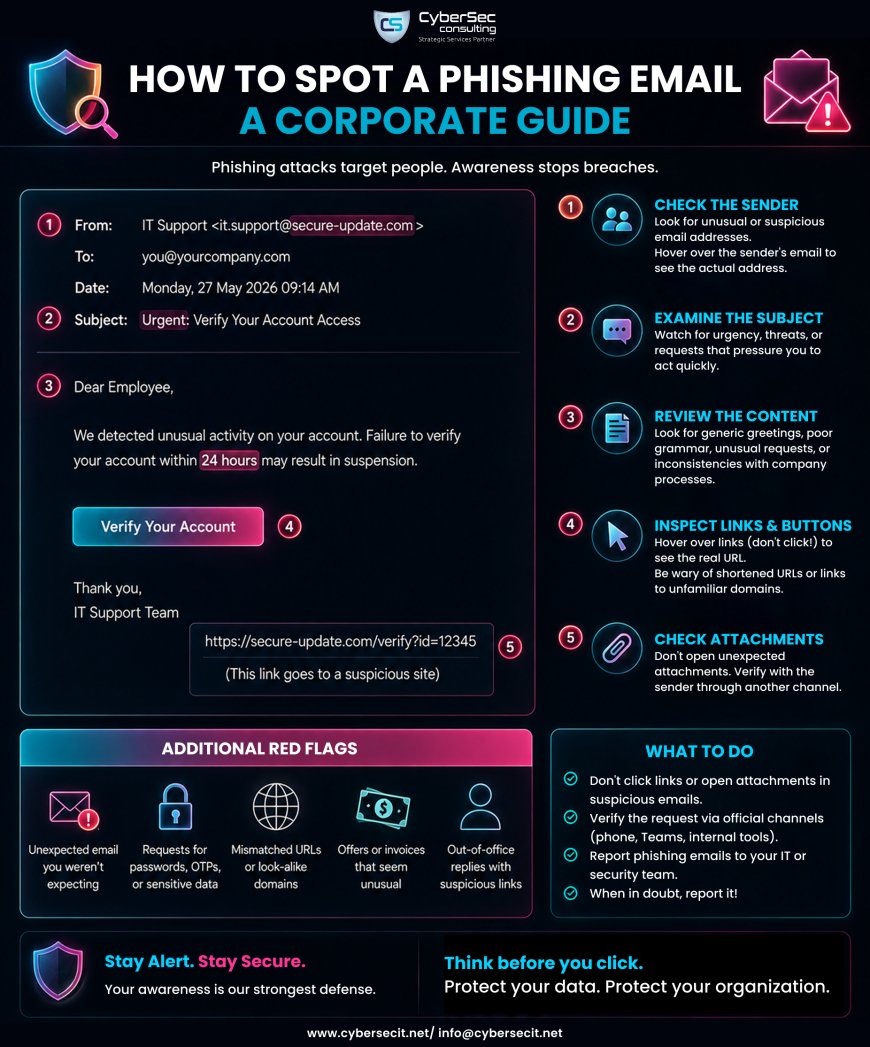
Modern phishing emails are becoming increasingly sophisticated through Artificial Intelligence (AI), making them difficult to distinguish from legitimate business communications. Organizations should strengthen Email Security, Microsoft 365 Security, Identity & Access Management (IAM), and Security Awareness Training to help employees recognize phishing indicators before sensitive information is compromised.
Early detection plays a vital role in preventing Business Email Compromise (BEC), credential theft, financial fraud, and enterprise data breaches.
- Urgent Requests - Cybercriminals create a false sense of urgency by demanding immediate action, pressuring employees to bypass normal verification procedures, and increasing the success rate of phishing attacks and Business Email Compromise (BEC).
- Fake Domains - Phishing emails often use domains that closely resemble legitimate company websites by changing a single character or using deceptive extensions to steal credentials and compromise enterprise accounts.
- Display Name Spoofing - Attackers manipulate the sender's display name to impersonate executives, financial teams, or trusted vendors, making fraudulent emails appear authentic despite using unauthorized email addresses.
- Suspicious Attachments - Unexpected attachments containing malware, ransomware, or malicious scripts are commonly used to compromise endpoints, steal sensitive data, and establish unauthorized access within enterprise networks.
- Fake Invoices - Fraudulent invoices and payment notifications are designed to trick finance teams into transferring funds or downloading malicious files, leading to financial fraud and data compromise.
- Credential Requests - Emails requesting passwords, Multi-Factor Authentication (MFA) codes, or login credentials should always be treated as suspicious, as legitimate organizations never request sensitive authentication details through email.
- Payment Changes - Requests to update bank account information or modify payment instructions without independent verification are common indicators of Business Email Compromise (BEC) and financial fraud campaigns.
- QR Codes (Quishing) - Phishing emails increasingly use malicious QR codes that redirect users to fake Microsoft 365 login pages or credential harvesting websites, bypassing traditional email security controls.
- Unexpected MFA Prompts - Unsolicited Multi-Factor Authentication (MFA) requests may indicate attackers are attempting to access stolen credentials and are waiting for users to unknowingly approve authentication requests.
- Executive Impersonation - AI-generated phishing emails and deepfake technologies enable attackers to impersonate CEOs, senior executives, and department heads, convincing employees to disclose confidential information or authorize fraudulent transactions.
Conclusion
Email phishing continues to evolve into one of the most significant cybersecurity risks for modern enterprises, driven by Artificial Intelligence (AI), Business Email Compromise (BEC), credential theft, deepfake impersonation, and advanced social engineering attacks.
As organizations accelerate digital transformation, cloud adoption, and Microsoft 365 deployments, the attack surface continues to expand, making Enterprise Email Security, Identity and Access Management (IAM), Zero Trust Security, and AI-powered Threat Detection business-critical investments.
CyberSec Consulting delivers industry-leading cybersecurity services and solutions designed to protect organizations against evolving phishing threats.
Ready to strengthen your cybersecurity posture?
Visit CyberSec Consulting today to discover our enterprise cybersecurity services and solutions and protect your business from advanced phishing attacks.
FAQs
Why is phishing considered the biggest cybersecurity threat for businesses?
Phishing remains the leading cyber threat because it exploits human behavior to steal credentials, deploy ransomware, and execute Business Email Compromise (BEC) attacks. Implementing Enterprise Email Security, AI-powered Threat Detection, and Identity & Access Management (IAM) significantly reduces cyber risk.
How does AI make phishing attacks more dangerous?
Artificial Intelligence enables attackers to generate realistic phishing emails, deepfake voice scams, automated social engineering campaigns, and personalized credential theft attacks that bypass traditional security controls and increase attack success rates.
What industries are most vulnerable to phishing attacks?
Financial services, government entities, healthcare organizations, retail businesses, logistics providers, and critical infrastructure are among the most targeted sectors due to their valuable customer data, cloud environments, and high-value financial transactions.
How can organizations protect Microsoft 365 and cloud email environments?
Organizations should deploy Microsoft 365 Security, Secure Email Gateway, Multi-Factor Authentication (MFA), Zero Trust Security, Cloud Security, and continuous threat monitoring to secure cloud-based collaboration platforms against phishing attacks.
What cybersecurity services does CyberSec Consulting provide to prevent phishing attacks?
CyberSec Consulting offers AI-powered SOC, Managed Detection & Response (MDR), Identity & Access Management (IAM), Privileged Access Management (PAM), Email Security Solutions, Cloud Security, Incident Response, Digital Forensics, and Security Awareness Training to help organizations defend against modern phishing campaigns.
Why should businesses invest in AI-powered cybersecurity solutions?
AI-powered cybersecurity solutions provide real-time threat detection, behavioral analytics, automated incident response, and proactive threat intelligence, enabling organizations to prevent phishing attacks, reduce cyber risk, and strengthen enterprise cyber resilience.
What's Your Reaction?
 Like
0
Like
0
 Dislike
0
Dislike
0
 Love
0
Love
0
 Funny
0
Funny
0
 Angry
0
Angry
0
 Sad
0
Sad
0
 Wow
0
Wow
0