















How Can UK SMEs Protect Themselves from the Biggest Cybersecurity Threats in 2026?
Learn how proactive cybersecurity services, cyber risk management, and cyber resilience strategies can help UK businesses strengthen their security posture and reduce cyber risk.

Why Are UK SMEs Becoming Prime Targets for Cybercriminals in 2026?
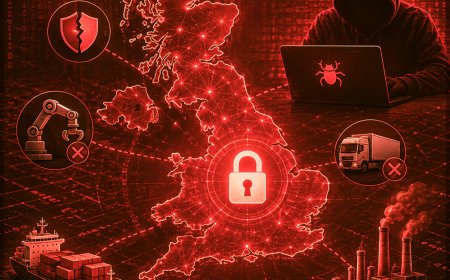
Cybersecurity risks continue to grow across the United Kingdom. Small and medium-sized enterprises (SMEs) are increasingly becoming prime targets for cybercriminals because they often operate with limited security resources, lean IT teams, and expanding digital environments.
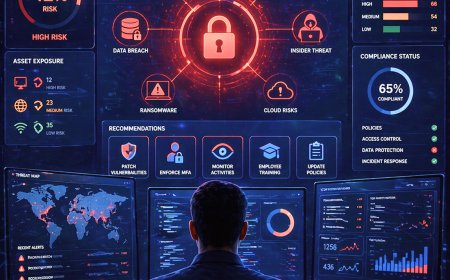
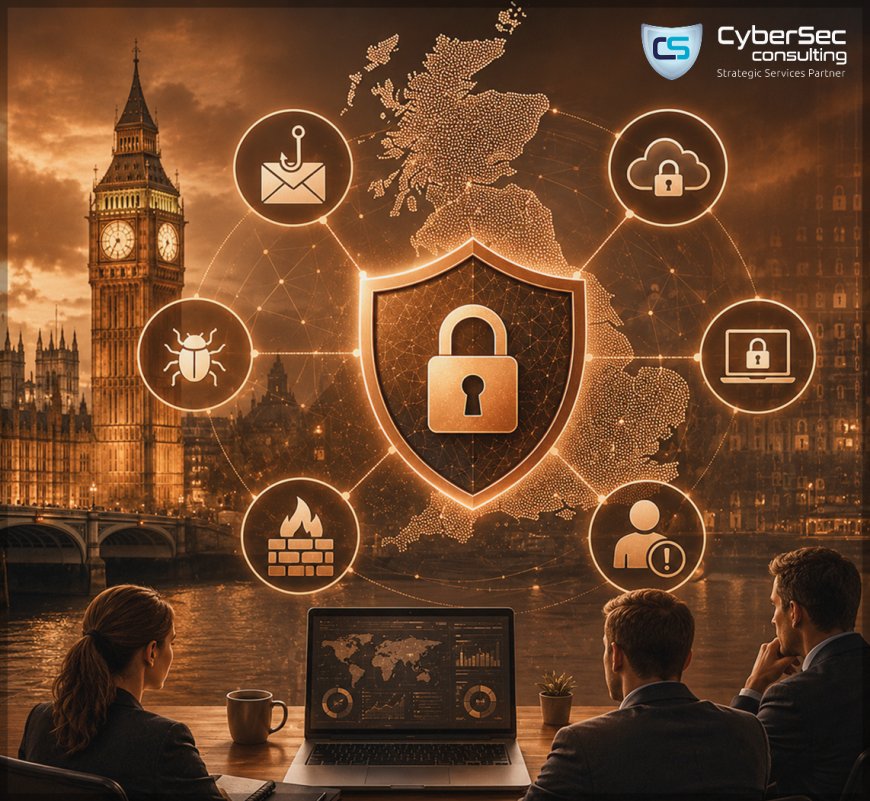
Many UK businesses have adopted cloud services, remote working models, and digital transformation initiatives. While these changes improve efficiency, they also create new cybersecurity challenges. Ransomware attacks, phishing campaigns, identity-based threats, and cloud security vulnerabilities are now among the most significant cybersecurity risks facing UK SMEs.
Understanding these threats is the first step toward building a stronger cybersecurity strategy and improving cyber resilience.
Why Cybersecurity Matters for UK SMEs?
Cyberattacks can affect businesses of every size, but small and medium-sized enterprises (SMEs) are often among the most vulnerable. Limited cybersecurity resources, growing digital dependencies, and evolving threat landscapes make SMEs attractive targets for cybercriminals seeking financial gain, sensitive data, or operational disruption.
A successful cyber attack can result in significant financial losses, prolonged downtime, reputational damage, loss of customer trust, and regulatory penalties. Many SMEs also face challenges recovering from cyber incidents due to limited internal security capabilities and business continuity resources.
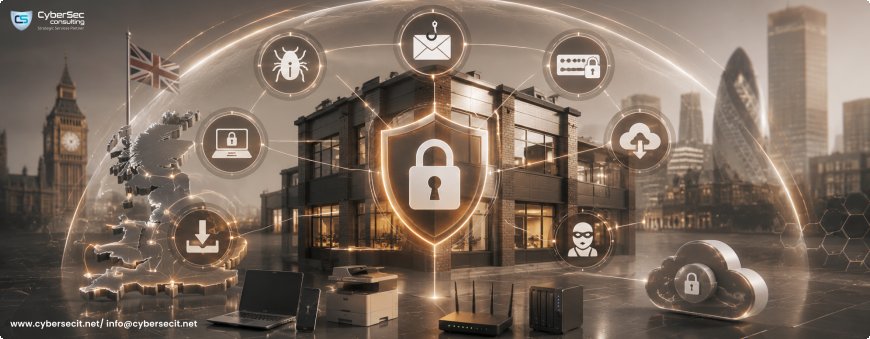
Digital transformation, cloud adoption, remote working, and increased reliance on third-party platforms have expanded the attack surface for UK businesses. As a result, cyber threats such as ransomware, phishing, identity-based attacks, and cloud security breaches continue to rise across multiple industries.
Modern organizations must move beyond reactive cybersecurity approaches that focus solely on recovery after an incident. Proactive cybersecurity strategies help businesses identify risks earlier, reduce exposure, strengthen resilience, and improve overall security posture.
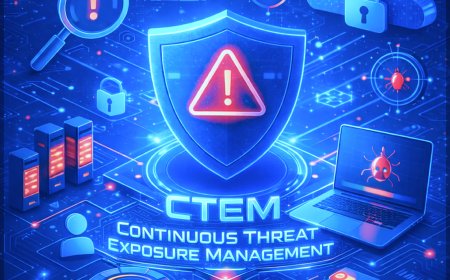
Continuous monitoring, cyber risk management, security visibility, vulnerability management, and incident response preparedness are now essential components of a strong cybersecurity strategy for UK SMEs looking to protect their operations, customers, and long-term growth.
Ransomware Attacks
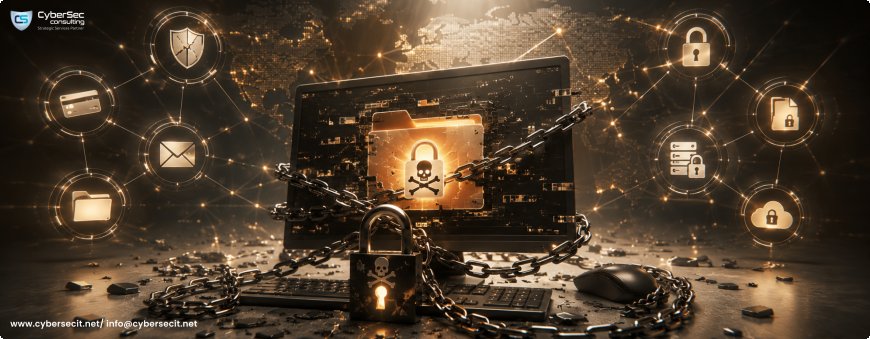
Ransomware remains one of the most damaging cyber threats in the UK market. UK SMEs should prioritize ransomware protection through regular vulnerability assessments, patch management, security awareness training, and incident response planning.
Cybercriminals use ransomware to encrypt business-critical data and demand payment for its release. Many attacks target organizations that lack adequate backup procedures, monitoring capabilities, or incident response planning. Common ransomware risks include:
- Business disruption
- Data loss
- Financial extortion
- Operational downtime
- Regulatory consequences
Phishing and Business Email Compromise

Phishing attacks continue to be one of the most successful attack methods used by cybercriminals. Strong user education remains one of the most effective defenses against phishing attacks. Attackers create convincing emails that trick employees into revealing credentials, downloading malicious files, or transferring funds.
Business Email Compromise (BEC) attacks are becoming increasingly sophisticated and often target finance departments, executives, and operational teams. Organizations should focus on:
- Employee security awareness training
- Multi-factor authentication (MFA)
- Email security controls
- Identity protection measures
- Continuous monitoring
Identity-Based Attacks
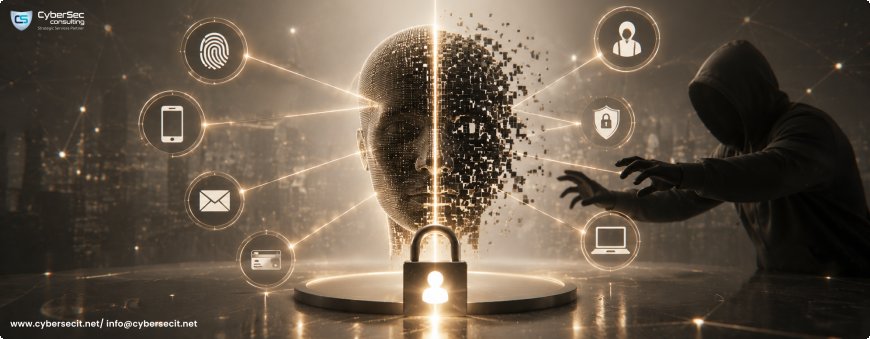
Identity has become the new security perimeter. Cybercriminals increasingly target user accounts, privileged credentials, and authentication systems rather than traditional network infrastructure. Identity and Access Management (IAM), Privileged Access Management (PAM), Single Sign-On (SSO), and Multi-Factor Authentication (MFA) play critical roles in reducing identity-related risks.
Compromised identities provide attackers with direct access to business applications, cloud platforms, and sensitive information. Key identity security challenges include:
- Weak passwords
- Credential theft
- Excessive user privileges
- Privileged account misuse
- Lack of access governance
Cloud Security Risks
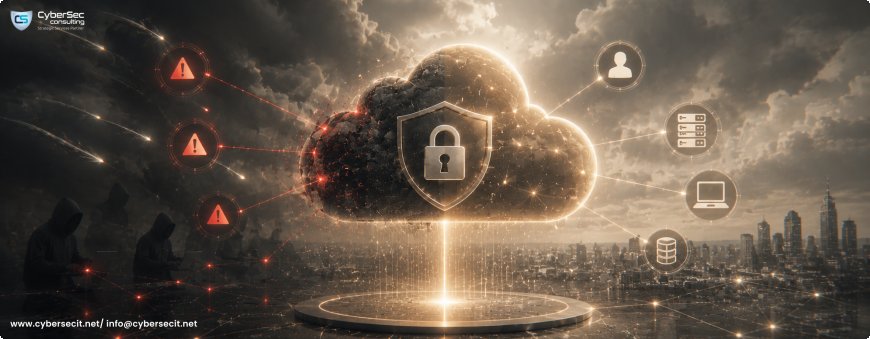
Cloud adoption continues to accelerate across UK SMEs. Organizations should conduct regular cloud security assessments and maintain continuous visibility across their cloud infrastructure. Microsoft 365, Azure, AWS, and hybrid cloud environments offer significant business benefits.
However, misconfigured cloud environments remain a leading cause of security incidents. Common cloud security risks include:
- Misconfigured security settings
- Unsecured storage repositories
- Excessive permissions
- Shadow IT
- Limited visibility
Supply Chain Cyber Attacks
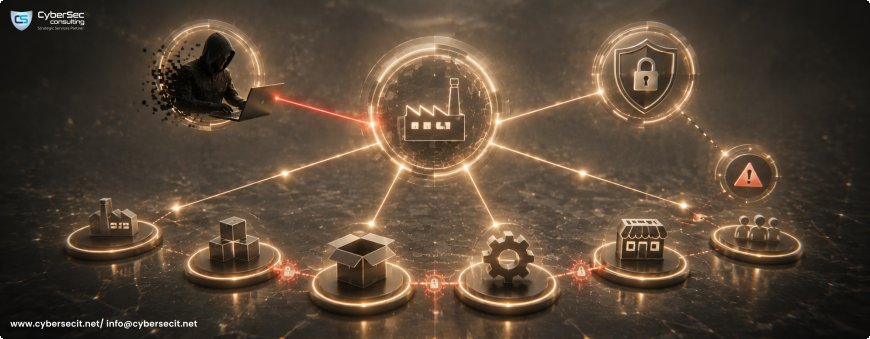
Supply chain attacks continue to increase globally. Supply chain security has become a critical component of modern cybersecurity programs. Attackers often target third-party vendors, software providers, and service partners to gain access to larger organizations.
A vulnerability within a supplier can create significant risk throughout an entire business ecosystem. Risk reduction strategies include:
- Vendor risk assessments
- Third-party security reviews
- Continuous monitoring
- Security governance
- Compliance verification
Insider Threats

Not all cybersecurity risks originate from external attackers. Strong governance, user activity monitoring, and access controls help reduce insider-related risks. Employees, contractors, and third-party users can unintentionally or intentionally create security incidents. Insider threats may involve:
- Unauthorized access
- Data exposure
- Policy violations
- Privilege misuse
- Human error
Compliance and Regulatory Risks
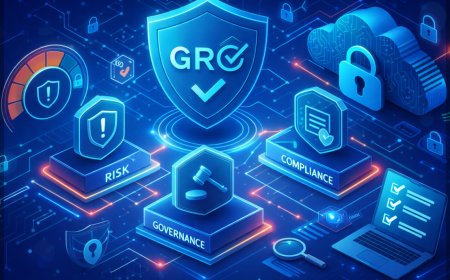
Compliance requirements continue to evolve across the UK cybersecurity landscape. Businesses that fail to maintain compliance may face regulatory scrutiny, financial penalties, and reputational damage. Organizations must demonstrate effective security controls while maintaining compliance with relevant standards and regulations.
Common compliance challenges include:
- Security documentation
- Risk management processes
- Audit readiness
- Governance oversight
- Policy enforcement
How UK SMEs Can Strengthen Cybersecurity in 2026?
A combination of technology, governance, visibility, and operational oversight provides stronger protection against evolving cyber threats. Addressing cybersecurity risks requires a proactive and continuous approach. A combination of technology, governance, visibility, and operational oversight provides stronger protection against evolving cyber threats.
Organizations should focus on:
- Cybersecurity risk assessments
- Continuous security monitoring
- Identity and access management
- Security awareness training
- Vulnerability management
- Cloud security assessments
- Incident response planning
- Compliance readiness programs
How CyberSec Helps UK SMEs Strengthen Cyber Resilience
As cyber threats continue to evolve, UK SMEs need access to proactive cybersecurity expertise, continuous visibility, and effective risk management strategies. CyberSec Consulting helps organizations strengthen their security posture through a comprehensive portfolio of cybersecurity services, including vulnerability management, identity and access management, cloud security assessments, security monitoring, compliance consulting, and incident response support.
To help businesses stay ahead of emerging threats, CyberSec offers CyberSec Shield, a proactive cybersecurity assessment and risk-visibility platform that identifies vulnerabilities, security gaps, and potential exposures across the IT environment. Organizations can also leverage CyberSec Pulse, a cybersecurity intelligence and monitoring solution that provides actionable security insights, threat visibility, and ongoing awareness of evolving cyber risks.
By combining expert consulting services with continuous security monitoring and risk assessment capabilities, CyberSec enables UK SMEs to improve cyber resilience, reduce exposure to cyber threats, and strengthen compliance readiness while supporting long-term business growth and operational continuity.
Conclusion

The cybersecurity landscape across the United Kingdom continues to evolve rapidly, making cyber resilience a critical business priority for SMEs in 2026. Ransomware attacks, phishing campaigns, identity-based threats, cloud security vulnerabilities, insider risks, and supply chain attacks remain among the most significant cybersecurity challenges facing UK businesses today.
Organizations that invest in proactive cybersecurity services, continuous security monitoring, cyber risk management, vulnerability assessments, identity and access management (IAM), cloud security, and compliance readiness programs will be better positioned to reduce risk, strengthen security posture, and maintain business continuity.
Cybersecurity is no longer just an IT concern; it is a strategic business requirement that directly impacts operational resilience, customer trust, regulatory compliance, and long-term growth.
Looking for trusted cybersecurity consulting services in the UK? CyberSec Consulting helps organizations strengthen cyber resilience through industry-leading cybersecurity solutions, managed security services, vulnerability management, cloud security assessments, identity security, Security Operations Center (SOC) services, compliance consulting, and cyber risk management.
Whether you are looking to improve your security posture, achieve compliance, secure your cloud environment, or defend against emerging cyber threats, our cybersecurity experts are ready to help.
Connect with CyberSec Consulting today to explore enterprise-grade cybersecurity services and tailored security solutions designed to protect your business, reduce cyber risk, and support sustainable growth in an increasingly complex threat landscape.
FAQs
Why are UK SMEs increasingly targeted by cybercriminals in 2026?
UK SMEs often operate with limited cybersecurity resources while relying heavily on cloud services, remote work, and digital platforms. Growing attack surfaces make businesses vulnerable to ransomware attacks, phishing campaigns, identity theft, and cloud security breaches.
What are the biggest cybersecurity threats facing UK SMEs in 2026?
Ransomware, phishing attacks, Business Email Compromise (BEC), identity-based attacks, cloud security vulnerabilities, insider threats, and supply chain cyber attacks remain the most significant cybersecurity risks affecting UK businesses in 2026.
How can UK SMEs improve cyber resilience against ransomware and phishing attacks?
Regular vulnerability assessments, cybersecurity awareness training, multi-factor authentication (MFA), continuous security monitoring, incident response planning, and proactive cyber risk management help reduce exposure to modern cyber threats.
Why is Identity and Access Management (IAM) important for UK businesses?
Identity and Access Management (IAM), Privileged Access Management (PAM), and Single Sign-On (SSO) help organizations prevent unauthorized access, reduce credential theft, strengthen access governance, and improve overall cybersecurity posture.
What cloud security risks should UK SMEs address in 2026?
Misconfigured cloud environments, excessive permissions, shadow IT, unsecured storage repositories, and limited visibility remain leading causes of cloud security incidents across Microsoft 365, Azure, AWS, and hybrid cloud environments.
Which cybersecurity services can help UK SMEs reduce cyber risk and maintain compliance?
Cybersecurity consulting, vulnerability management, Security Operations Center (SOC) services, cloud security assessments, compliance readiness programs, identity security solutions, and continuous security monitoring help organizations strengthen resilience and meet regulatory requirements.
What's Your Reaction?
 Like
0
Like
0
 Dislike
0
Dislike
0
 Love
0
Love
0
 Funny
0
Funny
0
 Angry
0
Angry
0
 Sad
0
Sad
0
 Wow
0
Wow
0