


















Governance, Risk & Compliance (GRC) in Cybersecurity: The Ultimate 2026 Guide
Comprehensive 2026 guide to Governance, Risk, and Compliance (GRC) in cybersecurity. Learn how GRC strengthens enterprise risk management, regulatory compliance, internal controls, and operational resilience across finance, energy, and government sectors.


What Is Governance, Risk, and Compliance (GRC)?
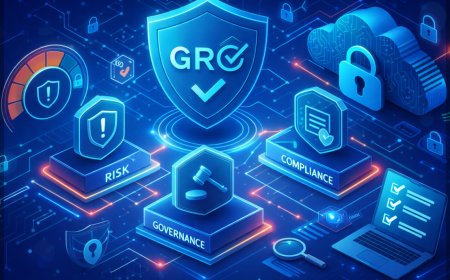
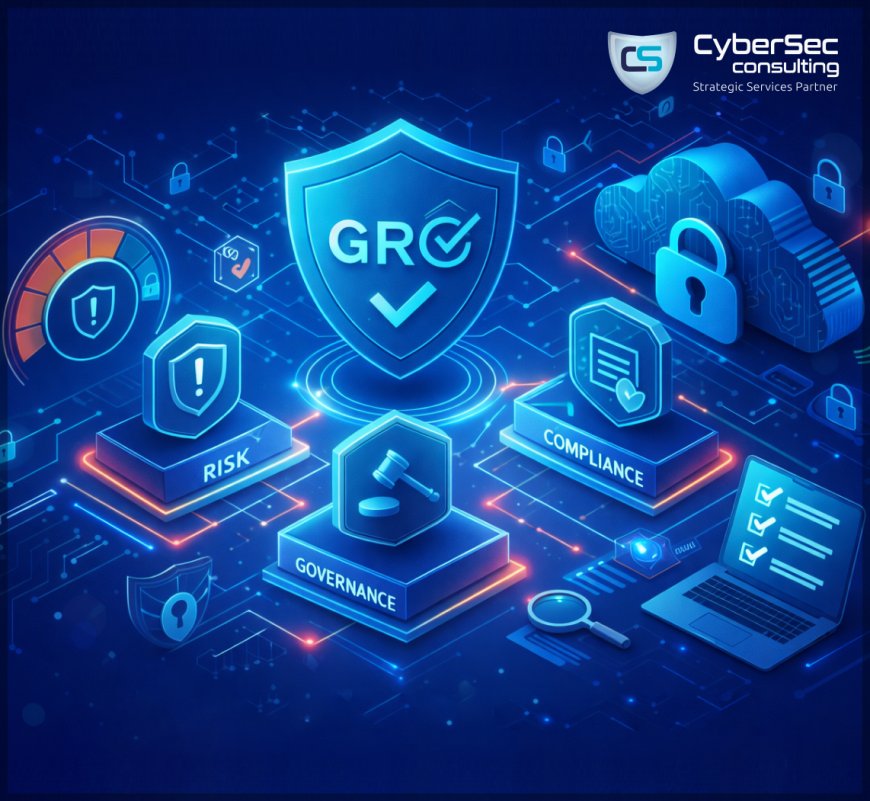
GRC stands for Governance, Risk, and Compliance, a framework organizations use to manage and coordinate their governance, risk management, and compliance efforts. It's a strategic approach that helps organizations align their IT environments with regulations and standards and proactively improve their cybersecurity posture.
GRC involves setting policies, procedures, and structures to direct and control an organization's activities, ensuring they are aligned with its strategic goals. This includes identifying, assessing, and mitigating potential risks that could impact the organization's objectives, operations, or reputation. This ensures the organization adheres to all applicable laws, regulations, and industry standards.
GRC is important for
- Improved Decision-Making: By providing a structured framework for managing governance, risk, and compliance, GRC enables organizations to make more informed, data-driven decisions.
- Enhanced Risk Management: A well-implemented GRC framework helps organizations identify, assess, and manage risks more effectively, minimizing potential negative impacts.
- Reduced Compliance Costs: By proactively addressing compliance requirements, organizations can avoid costly penalties, fines, and reputational damage.
- Increased Efficiency: Integrating governance, risk, and compliance processes can streamline operations and improve overall efficiency.
- Improved Stakeholder Trust: A strong GRC program demonstrates an organization's commitment to responsible management and adherence to legal and regulatory requirements, building trust with stakeholders.
Organizations often use GRC software and tools to automate tasks, centralize information, and improve collaboration across different departments. These tools can help with tasks like:
- Risk Assessment: Identifying and classifying potential risks.
- Compliance Monitoring: Tracking the requirements of relevant standards and regulations and ensuring compliance.
- Internal Audit: Conducting internal audits to assess the effectiveness of controls.
- Reporting: Generating reports to track progress and identify areas for improvement.
Why Is Governance, Risk, and Compliance (GRC) Important?
Governance, Risk, and Compliance (GRC) is essential because it delivers an integrated framework for managing corporate governance, enterprise risk management (ERM), and regulatory compliance across an organization. Instead of operating in isolated silos, departments such as legal, finance, human resources, IT, and cybersecurity collaborate through a structured GRC model aligned with shared business objectives. This unified approach strengthens organizational transparency, internal controls, risk visibility, and compliance management processes.
One of the primary drivers of GRC adoption is the growing complexity of regulatory requirements and cybersecurity compliance standards. Highly regulated industries such as banking, healthcare, insurance, and telecommunications have long relied on formal compliance frameworks. Today, however, nearly every organization, especially those managing sensitive data, customer information, or cloud environments. They are constantly facing an increase in scrutiny under global regulations such as GDPR, HIPAA, SOX, and ISO standards.
The rise in cybersecurity threats, data breaches, and privacy concerns has further elevated the importance of strong governance and risk management practices. A well-designed GRC framework helps businesses implement proactive risk assessment, compliance monitoring, internal audit controls, and information security governance, reducing legal exposure and reputational damage.
Beyond regulatory compliance, GRC provides strategic advantages. It reduces duplication of efforts, eliminates fragmented risk management practices, and enhances operational efficiency and business agility. By promoting a culture of accountability, ethical leadership, and principled performance, GRC enables organizations to achieve strategic goals while effectively managing uncertainty and long-term risk.
Roles and Responsibilities of GRC Teams
As organizations grow and global regulatory requirements become more complex, establishing a dedicated Governance, Risk, and Compliance (GRC) team is critical for maintaining strategic alignment, regulatory adherence, and operational resilience. A structured GRC function ensures seamless coordination across departments while strengthening the organization’s enterprise risk management (ERM), corporate governance, and compliance management framework.
GRC teams are responsible for designing, implementing, and continuously improving the organization’s GRC framework, internal control systems, risk management strategy, and regulatory compliance program. Their responsibilities span policy development, risk assessment, compliance monitoring, audit readiness, and cross-functional governance alignment.
Governance Responsibilities

GRC professionals establish internal controls, governance policies, accountability structures, and reporting mechanisms. They support executive leadership with risk-informed decision-making and ensure business strategies align with industry regulations, cybersecurity standards, and regulatory compliance requirements such as ISO, SOC 2, GDPR, and SOX.
Risk Management Responsibilities

Within enterprise risk management, GRC teams identify and evaluate cybersecurity risks, operational risks, financial risks, third-party risks, and reputational threats. They conduct structured risk assessments, maintain risk registers, define risk mitigation plans, monitor key risk indicators (KRIs), and oversee incident response coordination. Their objective is to align risk exposure with the organization’s defined risk appetite and risk tolerance levels.
Compliance Responsibilities
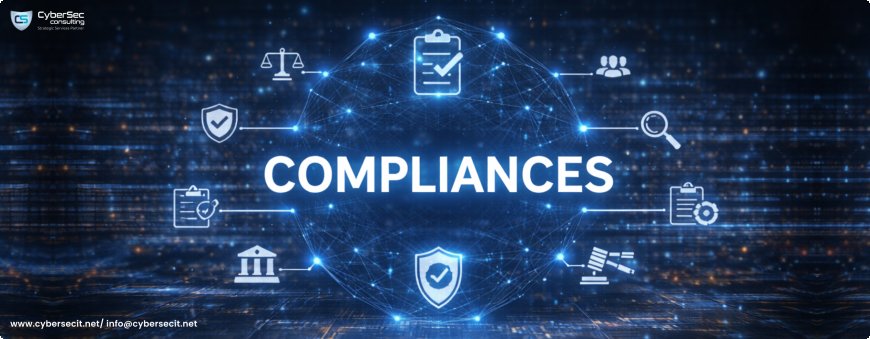
GRC professionals interpret evolving regulations and translate them into actionable compliance policies, security controls, and standard operating procedures. They lead internal audits, regulatory audits, compliance reporting, certification processes, and regulatory inquiries, ensuring continuous audit readiness and reduced legal exposure.
GRC in Highly Regulated Industries: Strengthening Compliance, Risk Management, and Corporate Governance
Industries operating under strict regulatory oversight require a robust Governance, Risk, and Compliance (GRC) framework to manage complex legal obligations, industry standards, and evolving cybersecurity threats. Sectors such as financial services, healthcare, energy, telecommunications, pharmaceuticals, and government are subject to intensive regulatory compliance requirements, data protection laws, cybersecurity mandates, and audit controls.
GRC in Finance

The financial services sector operates within one of the most complex and highly regulated environments globally, making a robust Governance, Risk, and Compliance (GRC) framework essential. Banks, insurance companies, fintech firms, and investment institutions must comply with strict regulations such as the Gramm-Leach-Bliley Act (GLBA), the Sarbanes-Oxley Act (SOX), PCI DSS, and Anti-Money Laundering (AML) laws. Regulatory oversight from authorities like the U.S. Securities and Exchange Commission (SEC), FINRA, and the Federal Financial Institutions Examination Council (FFIEC) further increases compliance obligations.
- A mature GRC in finance strategy enables institutions to streamline regulatory compliance management, strengthen internal controls, and maintain continuous audit readiness. Financial organizations face heightened exposure to operational risk, market risk, credit risk, liquidity risk, and cybersecurity risk. Enterprise Risk Management (ERM) programs supported by advanced GRC software help standardize risk assessments, centralize risk registers, maintain control libraries, and automate compliance monitoring across multiple business units and global operations.
- Strong corporate governance structures - often including board-level risk committees, executive oversight, and integrated compliance reporting are foundational in financial institutions. Modern GRC platforms support regulatory change management, policy management, scenario analysis, third-party risk management, and real-time compliance tracking, enabling agility in an evolving regulatory landscape.
Effective GRC in finance not only ensures regulatory adherence but also strengthens cybersecurity posture, enhances financial risk mitigation, improves operational resilience, and protects institutional reputation in an increasingly digital and scrutinized financial ecosystem.
GRC in the Oil

The oil, gas, and broader energy sector operates within a highly regulated environment where Governance, Risk, and Compliance (GRC) plays a vital role in protecting critical infrastructure and ensuring regulatory adherence. Oil and energy companies must comply with stringent standards such as NERC CIP, FERC regulations, and ISO/IEC 27001, alongside regional environmental and safety mandates. A strong GRC framework in the oil industry supports cybersecurity governance, operational risk management, environmental compliance, and supply chain risk oversight across geographically distributed assets.
Energy organizations face escalating cybersecurity threats, particularly targeting Industrial Control Systems (ICS) and Supervisory Control and Data Acquisition (SCADA) networks. Cyberattacks on operational technology (OT) environments can disrupt production, compromise safety, and impact national energy security. An integrated GRC program helps enforce robust access controls, identity and access management (IAM), continuous monitoring, incident response planning, and IT-OT risk coordination.
Modern GRC platforms also enhance audit readiness, regulatory reporting, third-party vendor risk management, workforce compliance training, and policy management. By centralizing compliance documentation and automating risk assessments, oil and energy companies strengthen cyber resilience, operational continuity, environmental risk mitigation, and infrastructure protection in an increasingly complex and threat-driven landscape.
GRC in Governance

Government agencies operate within a highly regulated environment where Governance, Risk, and Compliance (GRC) is fundamental to ensuring data privacy, system integrity, national security, and uninterrupted public service delivery. Public sector organizations align their GRC programs with established frameworks such as FISMA (Federal Information Security Modernization Act), FedRAMP, and the NIST Cybersecurity Framework, which mandate stringent controls for access management, encryption standards, audit logging, vulnerability management, and continuous monitoring.
GRC in governance focuses on safeguarding sensitive citizen data, protecting critical government infrastructure, and ensuring strict adherence to national, state, and local regulatory requirements. With increasing adoption of cloud computing, digital transformation initiatives, and inter-agency data sharing, consistent cybersecurity governance, enterprise risk management (ERM), and regulatory compliance management have become mission-critical.
Formal governance structures typically include information security programs, executive oversight committees, compliance offices, and internal audit functions. Modern GRC platforms enhance transparency through centralized compliance reporting, real-time risk dashboards, automated policy enforcement, third-party risk management, and audit readiness tracking.
Common GRC Challenges: Overcoming Barriers to Effective Governance, Risk, and Compliance
Although Governance, Risk, and Compliance (GRC) programs deliver significant benefits, many organizations face obstacles due to operational complexity, disconnected systems, regulatory pressure, and evolving cybersecurity threats. Without a mature enterprise GRC strategy, businesses may struggle to achieve full visibility into risk exposure, compliance gaps, and governance performance.
Siloed Data and Organizational Fragmentation
One of the most common GRC challenges is siloed data across departments such as IT, legal, finance, HR, and cybersecurity. When risk assessments, compliance documentation, and audit findings are stored in separate systems, organizations lack a centralized view of enterprise risk management (ERM), regulatory compliance status, and internal controls effectiveness. This fragmentation can lead to duplicated efforts, compliance blind spots, inconsistent reporting, and increased exposure to regulatory penalties.
Addressing this issue requires implementing integrated GRC software platforms, centralized risk registers, unified compliance dashboards, and cross-functional governance committees. Breaking down silos strengthens collaboration, enhances data-driven decision-making, and improves overall cybersecurity governance.
Regulatory Complexity and Change Management
The global regulatory landscape continues to evolve with new requirements related to data protection, cybersecurity compliance, ESG reporting, financial regulations, and industry standards. Failure to adapt quickly can result in fines, reputational damage, and operational disruption. Organizations relying on manual compliance tracking often struggle with regulatory change management.
A resilient GRC framework incorporates automated regulatory intelligence, continuous compliance monitoring, policy management workflows, and impact assessments. Leveraging technology-driven compliance automation ensures faster adaptation to regulatory updates while maintaining audit readiness.
Cultural Resistance and Training Gaps
Technology and policies alone cannot guarantee GRC success. Organizational culture plays a critical role in sustaining risk awareness, ethical governance, and regulatory compliance. When leadership commitment is weak or employee training is inconsistent, compliance violations and control failures become more likely.
Building a strong culture of compliance and cybersecurity awareness requires executive sponsorship, continuous risk management training, role-based compliance education, and transparent communication. Engagement initiatives, internal audit feedback loops, and performance accountability mechanisms reinforce responsible behavior across the organization.
Successfully addressing these common GRC challenges enables businesses to strengthen operational resilience, regulatory compliance, cybersecurity posture, and long-term enterprise sustainability in an increasingly complex and high-risk environment.
Conclusion: Building a Future-Proof GRC Strategy in Cybersecurity

Governance, Risk, and Compliance (GRC) is no longer just a compliance requirement; it is a strategic business enabler. Organizations face increasing pressure from cybersecurity threats, data privacy regulations, industry standards, and stakeholder expectations. A mature GRC framework brings structure to complexity by aligning corporate governance, enterprise risk management (ERM), regulatory compliance, and cybersecurity governance into a unified strategy.
From finance and oil industries to government and other highly regulated sectors, effective GRC programs strengthen internal controls, enhance risk visibility, improve audit readiness, and promote operational resilience. By integrating risk assessments, compliance monitoring, policy management, and cross-functional collaboration, organizations can proactively mitigate threats while maintaining regulatory adherence and business agility.
However, successful GRC implementation requires more than tools—it demands leadership alignment, cultural commitment, continuous improvement, and a technology-driven approach to compliance automation and risk intelligence.
Connect with CyberSec for End-to-End GRC Excellence
CyberSec offers comprehensive GRC services designed to help organizations build scalable, resilient, and audit-ready governance frameworks. Our approach focuses on:
- Strategic GRC framework design aligned with business objectives
- Enterprise risk assessment and regulatory gap analysis
- Compliance program implementation (ISO, GDPR, SOC 2, NIST, and more)
- GRC tool implementation and process automation
- Continuous monitoring, reporting, and audit readiness support
CyberSec Consulting translates complex regulatory requirements into practical, actionable controls—ensuring your organization remains secure, compliant, and future-ready.
Connect with CyberSec today to strengthen your GRC strategy and build a resilient cybersecurity foundation for 2026 and beyond.
More From CyberSec Consulting:-
- Risk Management Trends Every Organization Must Know
- Data Privacy & Protection: The Foundation of Trust, Compliance, and Cybersecurity
- Threat Modelling vs Attack Surface Analysis: A Complete Security Comparison
What's Your Reaction?
 Like
0
Like
0
 Dislike
0
Dislike
0
 Love
0
Love
0
 Funny
0
Funny
0
 Angry
0
Angry
0
 Sad
0
Sad
0
 Wow
0
Wow
0