












AI Security for Egyptian Enterprises: Managing Risks Before AI Adoption Scales
Discover how Egyptian enterprises can manage AI security risks, protect sensitive data, strengthen governance, and scale AI adoption securely with CyberSec Consulting.

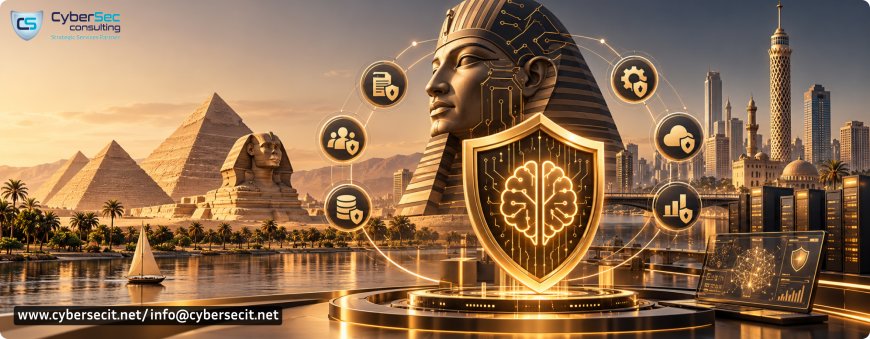
AI Adoption is Expanding the Enterprise Attack Surface
Egypt recorded 12,281 ransomware detections in 2024, according to Trend Micro data cited in INTERPOL’s Africa Cyberthreat Assessment Report 2025.
Egyptian enterprises are increasingly exploring Artificial Intelligence to automate operations, improve customer experience, and strengthen business analytics. However, rapid AI adoption also creates new security challenges. Generative AI tools, large language models, AI agents, and third-party platforms can expose sensitive business data when security controls are inadequate.
Enterprise AI security in Egypt must begin before deployment scales. Unsecured AI applications can introduce data leakage, identity misuse, prompt injection, and unauthorised access to critical systems. These risks can disrupt business continuity and weaken customer trust.
Egyptian businesses also need to consider applicable data protection requirements and emerging AI governance practices. CyberSec Consulting helps organisations strengthen AI security, assess cyber risks, protect enterprise data, and build resilient security frameworks. Proactive AI cybersecurity in Egypt enables businesses to pursue digital innovation while protecting critical assets, regulatory compliance, and long-term growth.
Why AI Security Matters for Egyptian Enterprises
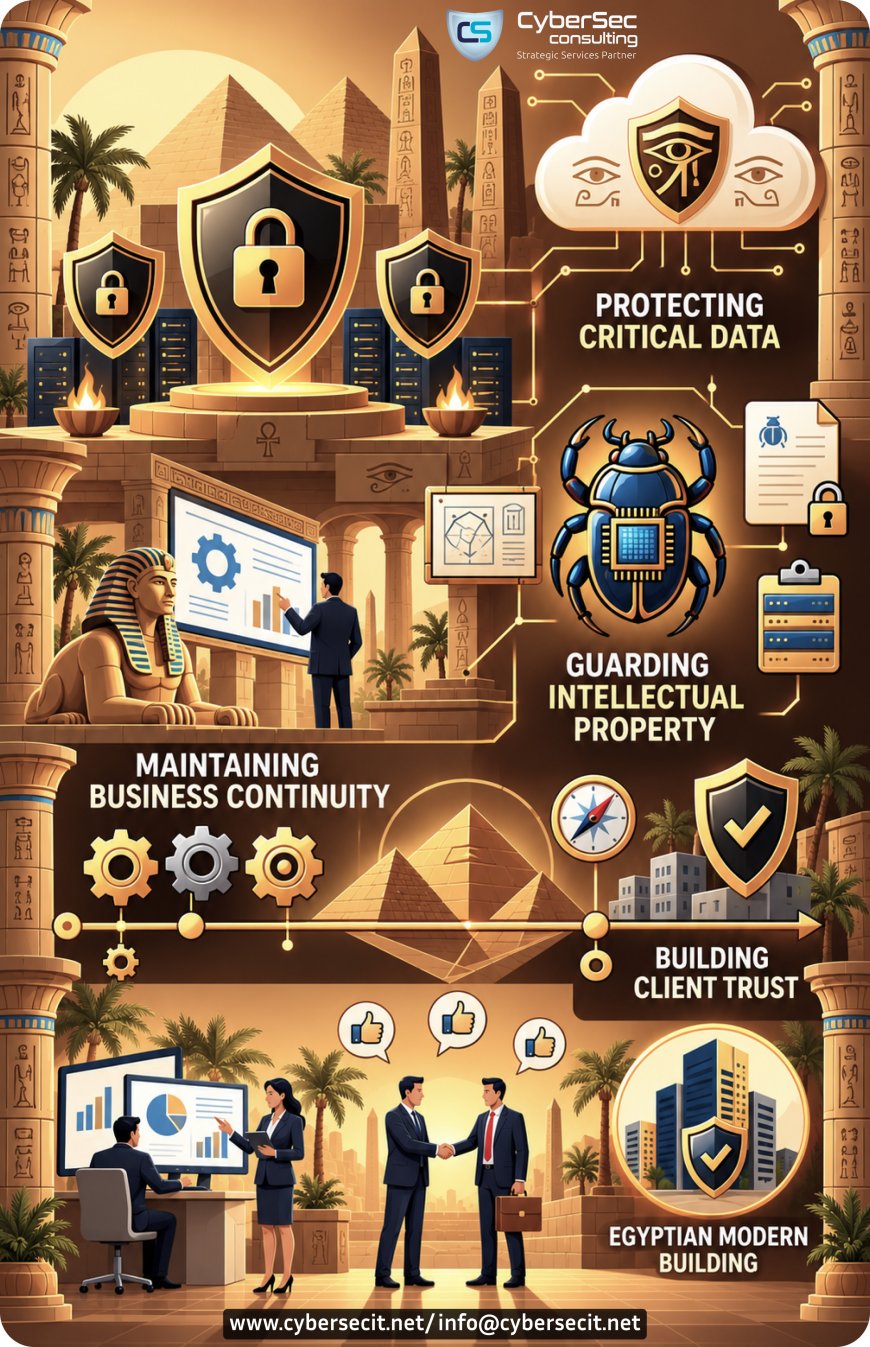
Egyptian enterprises are accelerating digital transformation across banking, telecommunications, healthcare, government, and industrial sectors. Artificial Intelligence is helping businesses automate workflows, analyse data, and improve customer experiences. However, rapid AI adoption without proper security oversight can expose organisations to serious cybersecurity risks.
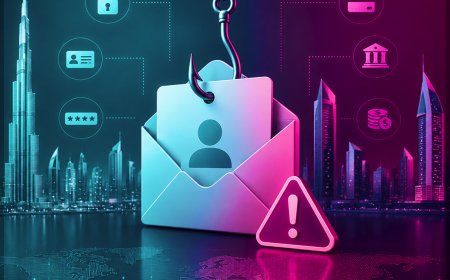
Sensitive customer information, financial records, employee data, and intellectual property may be exposed when employees use unapproved AI tools or upload confidential files to external platforms. Unsecured AI applications can also create vulnerabilities through prompt injection, excessive access permissions, and poorly protected integrations. These weaknesses increase the risk of data breaches and unauthorised access to enterprise systems.
AI security in Egypt is becoming an important priority for business continuity and regulatory compliance. Banks must protect financial information and customer identities. Telecom operators need to secure customer databases and network operations. Healthcare providers must safeguard patient records. Government organisations require strong protection for sensitive citizen information. Industrial businesses must secure operational systems and business-critical data.
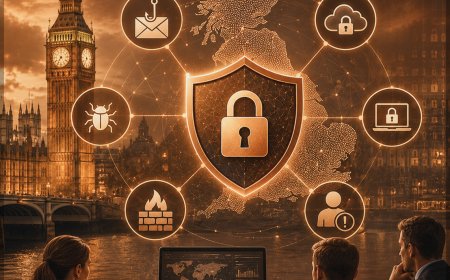
A successful AI security strategy helps Egyptian enterprises reduce cyber risks before they affect daily operations. Strong AI governance, data protection, identity and access management, and continuous security monitoring can limit exposure and strengthen resilience.
Key AI Security Risks to Address Before Scaling
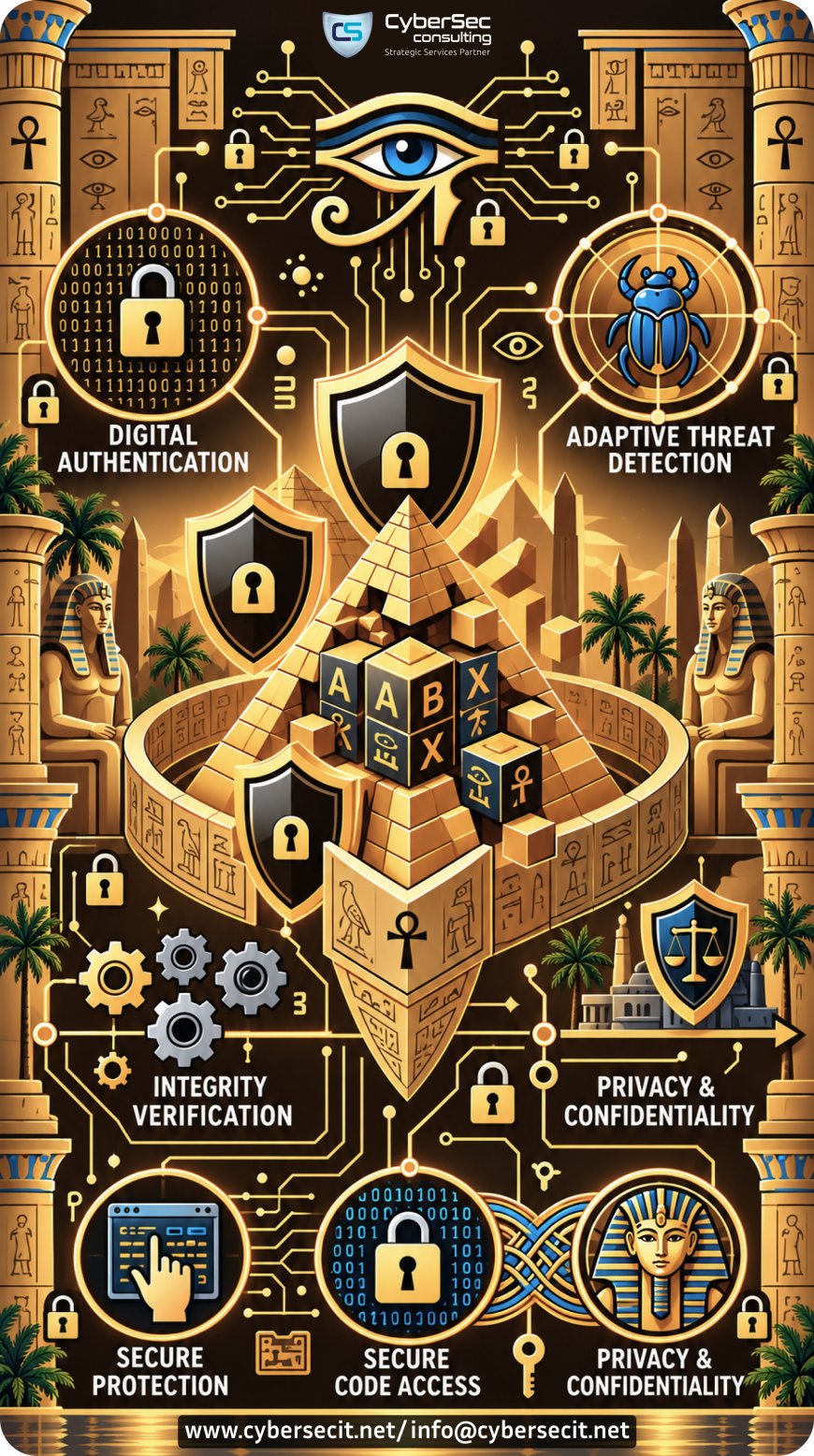
Egyptian enterprises adopting Artificial Intelligence must identify security gaps before expanding AI across business operations. Effective AI cybersecurity in Egypt requires organisations to understand how AI tools, connected applications, and automated systems can introduce new risks.
Sensitive Data Exposure
Employees may enter confidential customer information, financial records, business documents, or intellectual property into unapproved AI tools. Weak data protection controls can expose sensitive information. Egyptian businesses should enforce data classification, access restrictions, and secure AI usage policies.
Prompt Injection Attacks
Malicious instructions can manipulate AI applications into revealing sensitive information or performing unintended actions. Organisations using AI assistants and connected enterprise tools should conduct AI security testing to identify prompt injection vulnerabilities.
AI Model and Application Vulnerabilities
Insecure configurations, vulnerable integrations, and weaknesses in AI applications can create entry points for cyberattacks. An AI security assessment helps Egyptian enterprises identify these weaknesses before deployment expands.
Identity and Access Risks
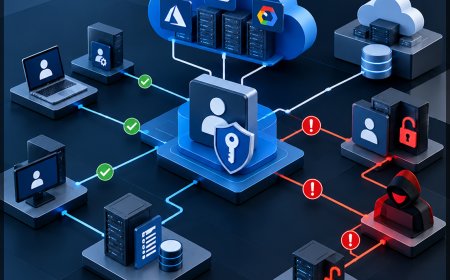
AI agents, service accounts, and API keys may have excessive permissions. Compromised credentials can expose critical systems and sensitive data. Strong identity and access management, least privilege, and AI agent security controls help reduce this risk.
Third Party AI Risks
External AI platforms introduce risks related to data processing, vendor security, and access to enterprise information. Egyptian organisations should assess AI suppliers and review their security practices before sharing sensitive data.
AI-Generated Misinformation
Incorrect or manipulated AI outputs can influence financial decisions, customer communications, and business operations. Human review and output validation help reduce the impact of inaccurate information.
Shadow AI Risks
Employees may adopt unauthorised AI tools without IT approval. This creates visibility gaps and increases the risk of data leakage. Enterprise cybersecurity teams should monitor AI usage and establish approved alternatives.
AI Governance and Regulatory Considerations in Egypt
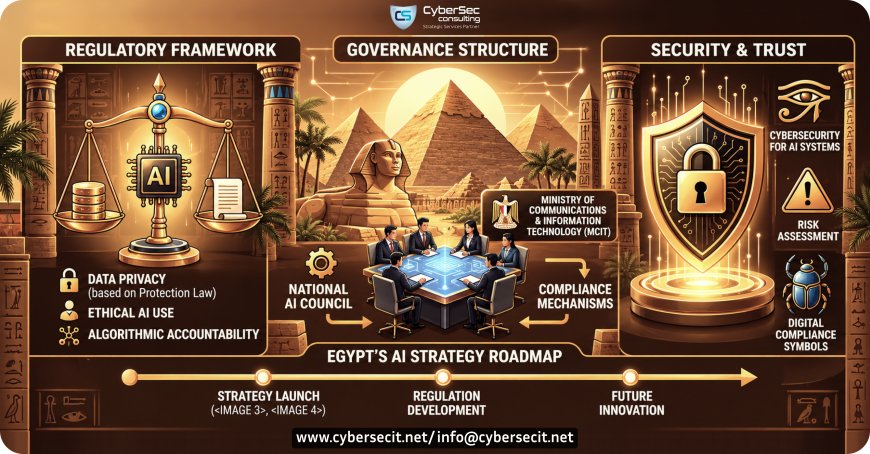
Egyptian enterprises need clear AI governance policies to ensure Artificial Intelligence is developed, deployed, and monitored responsibly. Defined accountability helps organisations manage security risks, protect sensitive data, and maintain transparency throughout the AI lifecycle.
Egypt’s National AI Strategy 2025–2030 promotes responsible AI adoption, innovation, and digital transformation. Businesses should align their AI security practices with these priorities while establishing appropriate safeguards for enterprise applications and data.
AI compliance in Egypt also requires careful attention to data protection. Personal Data Protection Law No. 151 of 2020 may apply when AI systems process personal information. Organisations should review applicable consent requirements, data handling practices, security measures, and cross-border data transfers. The law’s Executive Regulations, issued in 2025, provide further compliance requirements for organisations within scope.
International frameworks can strengthen enterprise AI security. The NIST AI Risk Management Framework helps organisations identify and manage AI-related risks. ISO/IEC 42001 provides requirements for an AI management system, while ISO/IEC 27001 supports information security management.
These frameworks are not automatically mandatory for every Egyptian business. Applicable legal obligations depend on the organisation, sector, data processed, and deployment context. CyberSec Consulting can help Egyptian enterprises strengthen AI governance, assess security gaps, and develop practical AI risk management strategies.
Building a Secure AI Adoption Framework
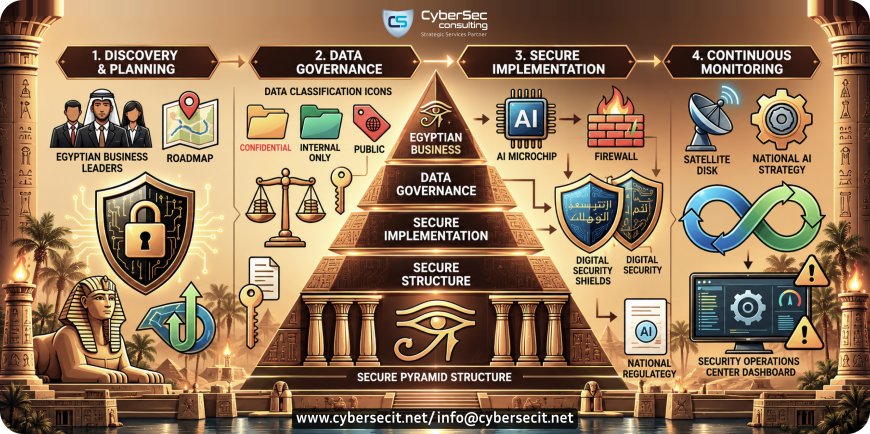
Egyptian enterprises need a structured approach to secure Artificial Intelligence before expanding its use across business operations. A strong AI security framework helps organisations reduce cyber risks, protect sensitive information, and support responsible digital transformation. The following steps can help businesses strengthen enterprise AI protection in Egypt.
Discover AI Usage
Identify approved AI platforms, internal AI projects, third-party integrations, and unauthorised tools. Greater visibility helps security teams detect shadow AI risks and prevent uncontrolled data sharing.
Assess AI Risks
Conduct an AI security assessment to identify data exposure, application vulnerabilities, model threats, and potential business impact. Prioritise risks by severity and likelihood.
Strengthen Identity Security
Apply least privilege, role-based access control, and privileged access management. Secure AI agents, service accounts, and API keys to prevent unauthorised access to enterprise systems.
Protect Enterprise Data
Classify sensitive information and implement data-loss-prevention controls. Define which business information employees can share with AI tools. Strong AI data protection helps reduce the risk of confidential information exposure.
Secure AI Applications
Test AI applications for prompt injection, insecure integrations, and unsafe tool execution. Regular security testing helps identify weaknesses before they affect business operations.
Establish AI Governance
Assign clear responsibility for AI security and introduce acceptable use policies. Risk-based approval processes help Egyptian businesses manage AI adoption while supporting compliance requirements.
Monitor AI Systems Continuously
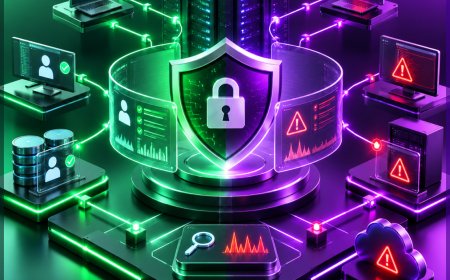
Review access permissions, user activity, vendor changes, and AI-related security incidents. Continuous monitoring helps security teams identify emerging threats and respond promptly.
Industry-Specific AI Security Priorities in Egypt
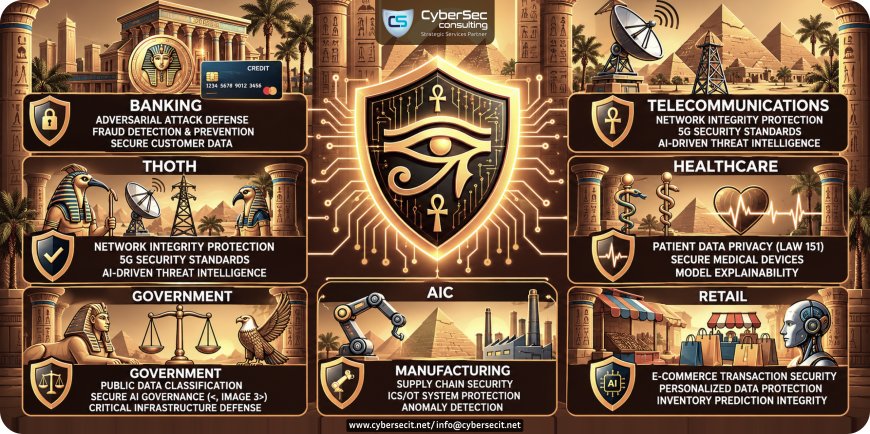
Egyptian industries are adopting Artificial Intelligence to improve efficiency, automate services, and support data-driven decisions. However, each sector faces different AI security risks. Industry-specific cybersecurity controls help businesses protect sensitive information and maintain operational resilience.
- Banking and Financial Services - Banks and financial institutions in Egypt must protect financial records, customer identities, and AI-powered fraud detection systems. Strong access controls, data protection, and AI risk assessments help reduce financial cyber risks.
- Telecommunications - Telecom operators need to secure customer databases, network operations, and AI-driven analytics. AI security for telecom companies should include identity protection, secure integrations, and continuous threat monitoring.
- Healthcare - Hospitals and healthcare providers must safeguard patient records and restrict access to AI-assisted clinical applications. Effective AI data protection helps maintain patient privacy and information security.
- Government - Government organisations require robust safeguards for citizen information, public service platforms, and sensitive digital records. AI governance and enterprise cybersecurity controls help protect critical public services.
- Manufacturing and Energy - Industrial businesses need to secure operational technology integrations, production data, and AI-enabled automation. Security assessments can identify weaknesses that may disrupt essential operations.
- Retail - Retail businesses must protect customer profiles, payment-related information, and AI-powered customer engagement platforms. Strong data security controls help prevent unauthorised access and information exposure.
How CyberSec Consulting Can Help Secure AI Adoption
Egyptian enterprises need a strong cybersecurity strategy to adopt Artificial Intelligence securely and responsibly. CyberSec Consulting helps organisations identify security gaps, protect critical business assets, and prepare for scalable AI adoption.
- AI Security Assessments - They help businesses identify vulnerabilities in AI applications, data workflows, and system integrations before deployment expands. These assessments support proactive AI risk management and help organisations prioritise security improvements.
- Security Advisory and Consulting - Services help Egyptian enterprises establish AI governance policies, define security responsibilities, and strengthen risk management practices. These measures support secure innovation and informed business decisions.
- Identity and Access Management - It helps control human and non-human access to enterprise systems. Appropriate permissions and privileged access controls reduce the risk of unauthorised activity involving AI agents and service accounts.
- Data Protection and Privacy - Controls help safeguard sensitive business information and reduce the risk of data exposure. Security testing and implementation services further strengthen AI applications and their integrations.
- Managed Security and Incident Response - Capabilities support continuous threat monitoring, security investigations, and timely incident handling.
Conclusion
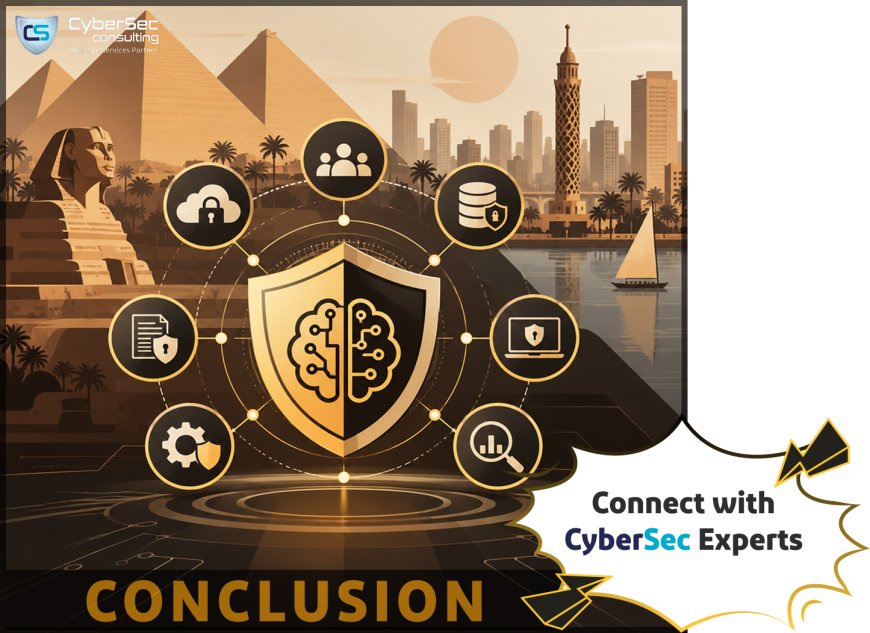
Artificial Intelligence offers Egyptian enterprises new opportunities to improve efficiency, innovation, and business growth. However, secure AI adoption requires proactive planning and continuous oversight. Organisations should prioritise AI security assessments, clear governance policies, identity and access management, data protection, and regular security testing before expanding AI across business operations.
Strong enterprise cybersecurity in Egypt helps businesses reduce AI-related risks, protect sensitive information, and maintain customer trust. Continuous monitoring also enables security teams to identify emerging threats and respond effectively.
CyberSec Consulting serves as a strategic cybersecurity partner for Egyptian enterprises seeking reliable AI security services. Through security assessments, identity protection, governance support, and enterprise risk management, businesses can strengthen their cybersecurity posture before scaling AI adoption.
Ready to secure your AI initiatives?
Contact CyberSec Consulting to assess your AI security risks and build a resilient cybersecurity strategy for your organisation in Egypt.
FAQs
What are the biggest AI security risks for businesses in Egypt?
Egyptian enterprises face AI security risks such as sensitive data exposure, prompt injection, insecure AI applications, and unauthorised access. Shadow AI and third-party AI platforms can create additional vulnerabilities. Strong enterprise cybersecurity controls help reduce these risks.
How can enterprises prevent sensitive data from being exposed through AI tools?
Egyptian businesses should classify sensitive data and restrict what employees can share with AI platforms. Data loss prevention, access controls, approved AI tools, and employee awareness training help protect customer information, financial records, and intellectual property.
What is shadow AI, and how can organisations control it?
Shadow AI refers to AI tools or applications used without approval from an organisation’s IT or security teams. Egyptian enterprises can control shadow AI through usage policies, approved alternatives, employee training, and monitoring of unauthorised applications.
How can businesses secure AI agents and their access permissions?
Businesses should assign AI agents only the permissions required for their specific tasks. Least privilege, privileged access management, secure API keys, identity monitoring, and regular access reviews help protect enterprise systems from unauthorised AI activity.
Does Egypt's Personal Data Protection Law apply to AI systems?
Yes. Egypt’s Personal Data Protection Law No. 151 of 2020 may apply when AI systems process personal information within its scope. Its Executive Regulations, issued in 2025, establish additional compliance requirements. Egyptian businesses should review applicable obligations and seek legal guidance.
How can Egyptian enterprises assess AI security risks before deployment?
Egyptian enterprises should conduct an AI security assessment covering data exposure, application vulnerabilities, access permissions, third-party integrations, and potential business impact. Security testing and governance reviews help identify weaknesses before deployment scales. CyberSec Consulting can support organisations in strengthening AI risk management and enterprise cybersecurity in Egypt.
What's Your Reaction?
 Like
0
 Dislike
0
 Love
0
 Funny
0
 Angry
0
 Sad
0
 Wow
0