






























Aviation Cybersecurity Assessment - Protecting Airport Systems and Ground Operations
Explore aviation cybersecurity assessments to protect airport systems, ground operations, aviation networks and critical infrastructure against evolving cyber threats.


Introduction
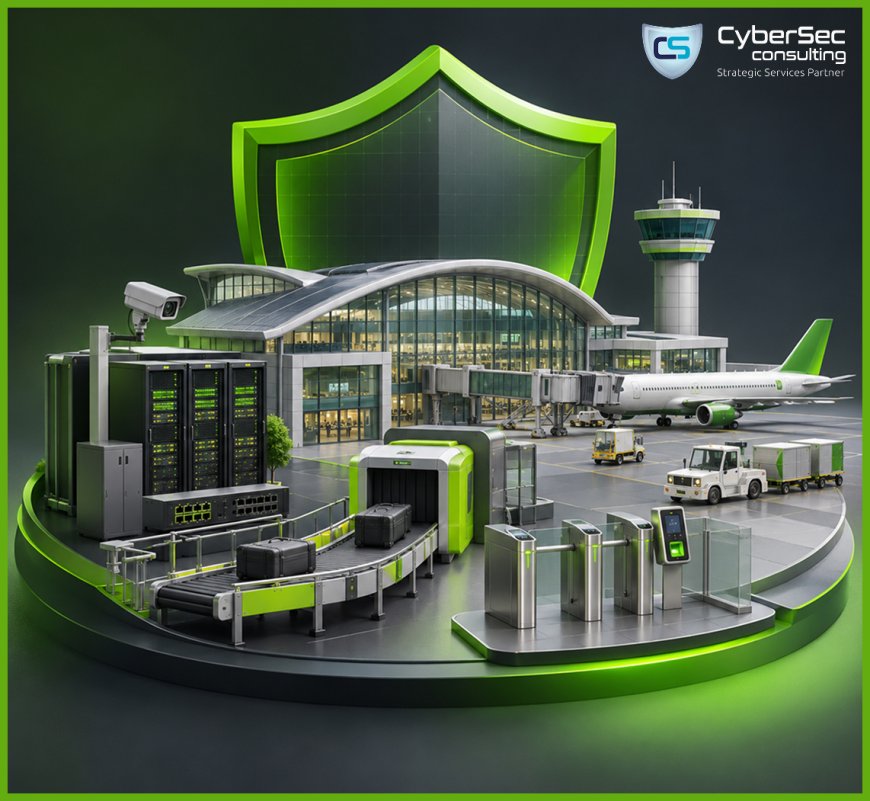
Saudi Arabia’s aviation sector is experiencing rapid digital transformation. Major airports in Riyadh, Jeddah and Dammam are adopting smart airport technologies, connected infrastructure and automated ground operations to improve passenger experiences and operational efficiency. Digital platforms now support flight information systems, baggage handling, passenger processing, biometric authentication, airport access control and aircraft ground services.
However, greater connectivity also creates new cybersecurity risks. Airport networks, operational technology (OT), cloud platforms and third-party integrations can become potential entry points for cyberattacks. Ransomware, identity theft, network intrusions and supply chain attacks can disrupt airport operations, expose passenger information and affect critical aviation infrastructure.
Saudi Arabia’s growing investment in smart airports and digital aviation infrastructure makes airport cybersecurity a business priority. Aviation organisations need stronger network security, identity and access management, vulnerability management, and continuous threat monitoring to protect their digital environments.
An Aviation Cybersecurity Assessment helps airport operators identify security weaknesses before they become serious threats. It evaluates airport IT systems, operational technology, connected devices, network infrastructure, and third-party access. Regular airport cybersecurity assessments also help organisations strengthen compliance, improve incident response, and maintain operational resilience.
Why Aviation Cybersecurity Matters?
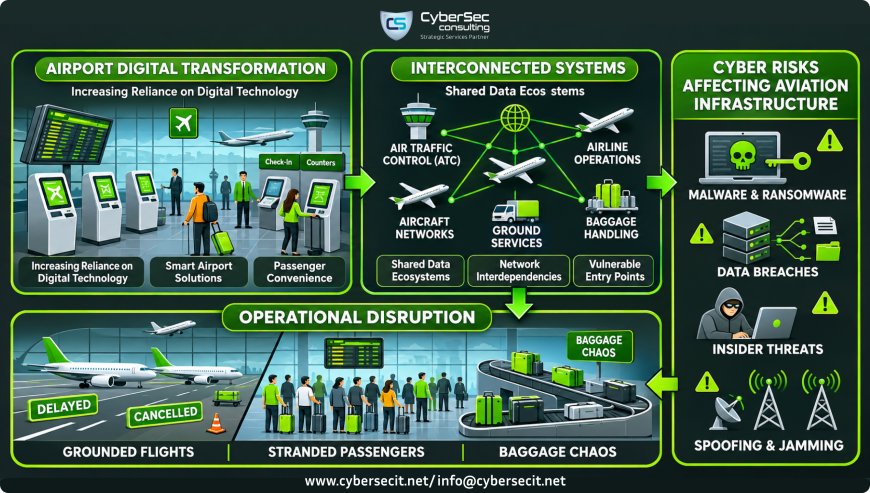
Saudi Arabia’s aviation industry is undergoing significant digital transformation. Airport expansion projects, smart airport technologies, and digital infrastructure investments are changing how airports manage passengers, aircraft, and ground operations. Major aviation hubs in Riyadh, Jeddah and Dammam rely on connected systems to improve operational efficiency, passenger processing and airport management.
However, increased digital connectivity also expands the attack surface for cybercriminals. Airport management platforms, flight information display systems, baggage handling networks, biometric access controls and aviation communication systems exchange sensitive information. A security weakness in one connected environment can create risks across multiple airport operations.
Cyberattacks can have serious consequences for airport infrastructure. Ransomware can disrupt airport management systems. Network intrusions can expose sensitive passenger information. Compromised access credentials can provide unauthorised entry to critical systems. Attacks against operational technology can also affect baggage handling, ground support equipment and other essential airport services.
Saudi Arabia’s Vision 2030 places strong emphasis on aviation growth, digital transformation and smart infrastructure. Protecting these investments requires a proactive approach to aviation cybersecurity. Airport operators, airline service providers and ground handling companies need to understand their security exposure and address vulnerabilities before attackers can exploit them.
A comprehensive Aviation Cybersecurity Assessment helps organisations evaluate their security posture across IT infrastructure, operational technology, cloud environments, applications and connected devices. It identifies vulnerabilities, reviews access controls, assesses network security, and highlights gaps in incident response.
Regular airport cybersecurity assessments also help aviation organisations strengthen operational resilience, protect critical infrastructure, and improve compliance with applicable cybersecurity requirements in Saudi Arabia.
Critical Airport Systems That Need Protection
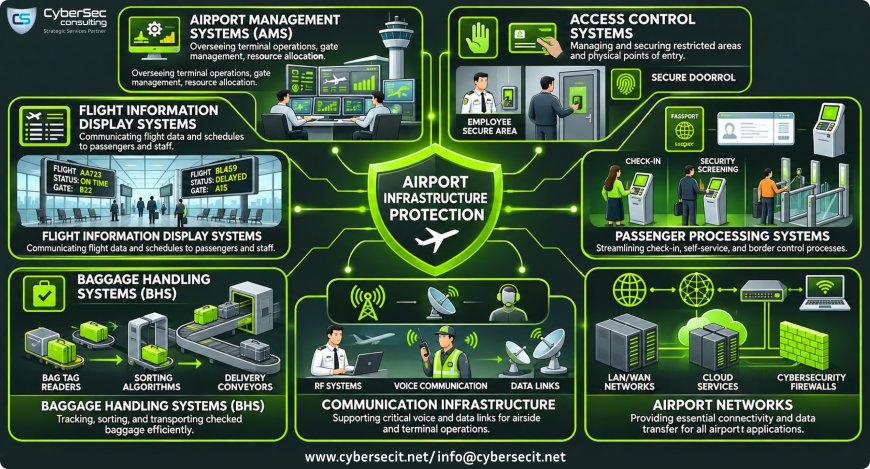
Modern airports across Saudi Arabia depend on interconnected digital systems to manage daily operations. Airports in Riyadh, Jeddah, Dammam, and other major cities use advanced technologies to coordinate passenger services, flight schedules, baggage movement, security operations, and ground handling activities.
These systems process sensitive information and support critical airport functions. A security weakness in one area can affect other connected environments. Airport operators must therefore prioritise cybersecurity assessments to identify vulnerabilities and protect essential aviation infrastructure.
Airport Management Systems
Airport management systems coordinate daily activities across airport facilities. These platforms support resource allocation, terminal operations, maintenance schedules, and operational planning. Unauthorised access or malware infections can affect airport services and disrupt important business processes.
Airport cybersecurity assessments should examine system configurations, user permissions, application security, and data protection controls. Strong access management and continuous security monitoring help protect airport management platforms across Saudi Arabia.
Flight Information Display Systems
Flight Information Display Systems (FIDS) provide passengers and airport staff with real-time updates about flight arrivals, departures, boarding gates, and schedule changes. These systems depend on connected networks and centralised data sources.
Cybercriminals may target FIDS platforms to manipulate flight information, disrupt passenger communication, or gain access to connected airport networks. Security testing should evaluate application vulnerabilities, network access, authentication controls, and system integrity.
Baggage Handling Systems
Automated baggage handling systems play an important role in airport ground operations. Conveyor networks, baggage scanners, tracking platforms, and automated sorting technologies help manage passenger luggage across airport terminals.
Cybersecurity weaknesses in these systems can disrupt baggage movement and affect airport operational efficiency. Malware infections or compromised operational technology can interrupt sorting processes and create delays. Airport OT security assessments should review network segmentation, system access, endpoint protection, and vulnerabilities across connected baggage infrastructure.
Airport Access Control Systems
Airport access control systems protect restricted areas, operational facilities, security zones, and sensitive infrastructure. These environments use employee credentials, biometric authentication, smart cards, and identity verification technologies.
Compromised credentials or excessive access privileges can expose restricted airport facilities to security threats. Identity and Access Management (IAM) assessments help identify unauthorised access, inactive accounts, excessive permissions, ns and privileged account risks.
Saudi airports should implement strong authentication, role-based access controls, and regular access reviews to protect critical airport infrastructure.
Passenger Processing Systems
Passenger processing systems support check-in, boarding, biometric verification, self-service kiosks, and immigration related processes. These platforms handle sensitive passenger information and connect multiple airport applications.
Security gaps can expose personal information, disrupt passenger processing, and affect airport service availability. Application security assessments, vulnerability testing, data protection reviews, and identity security controls are essential to protect these systems.
Airports in Saudi Arabia should prioritise passenger data protection and secure digital identity management across connected aviation platforms.
Airport Network Infrastructure
Airport networks connect terminals, administrative systems, security infrastructure, operational technology, airline applications,s and third-party service providers. Poor network segmentation can allow attackers to move between connected environments after gaining initial access.
Airport network security assessments should examine firewall configurations, network access controls, exposed services, wireless security, and internal network vulnerabilities. Penetration testing can also help identify weaknesses that attackers may exploit.
Strong network security is essential for protecting airport IT infrastructure and maintaining secure communication between critical airport systems.
Airport Communication Infrastructure
Communication infrastructure supports coordination between airport control teams, ground handling staff, maintenance departments, airlines and operational service providers. These environments may include voice communication platforms, digital communication networks and connected operational systems.
Unauthorised access, communication interception and network disruptions can affect operational coordination. Security assessments should evaluate authentication, encryption, network configurations, access permissions and system availability.
Secure communication infrastructure helps Saudi aviation organisations maintain reliable coordination and protect sensitive operational information.
Protecting Connected Airport Infrastructure
Every airport 4213system plays a role in maintaining safe and efficient aviation operations. Security weaknesses across airport management platforms, passenger processing systems, baggage handling infrastructure and communication networks can create wider operational risks.
A comprehensive Aviation Cybersecurity Assessment helps identify these weaknesses and establish a clear remediation strategy. CyberSec Consulting supports aviation organisations through network security assessments, vulnerability management, IAM implementation, endpoint security, OT security reviews,s and cybersecurity engineering.
Proactive security assessments help airports across Saudi Arabia strengthen airport infrastructure protection, reduce cyber risks, and maintain operational resilience.
Major Cybersecurity Threats Facing Airports
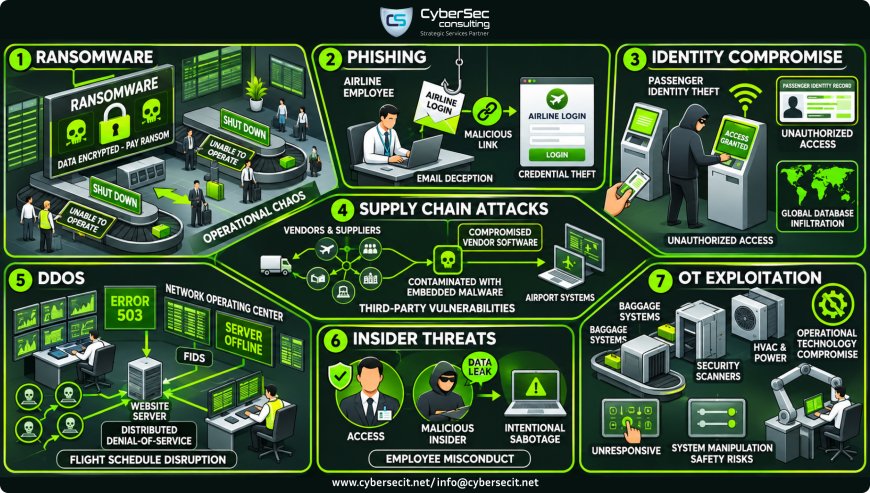
Airports across Saudi Arabia are becoming increasingly dependent on connected digital infrastructure, automated airport systems, and cloud-based platforms. These technologies improve passenger services and ground operations. However, they also create new opportunities for cybercriminals to target critical aviation infrastructure.
Cyberattacks against airport networks can affect flight information systems, passenger processing, baggage handling, airport communication, and operational technology. A successful attack can disrupt airport services, expose sensitive passenger data, and create significant operational and financial losses.
Saudi airports and aviation service providers need to understand the major cybersecurity threats affecting the aviation industry. Regular aviation cybersecurity assessments help identify security gaps and reduce the risk of operational disruption.
Ransomware Attacks
Ransomware remains a serious cybersecurity threat to airport infrastructure. Attackers use malicious software to encrypt critical data and systems. They may also steal sensitive information and demand payment to prevent its release.
Airport management platforms, administrative networks, passenger processing systems, and connected business applications can become targets. A ransomware incident may interrupt airport services and affect ground operations.
Airport cybersecurity assessments should examine endpoint protection, backup security, network segmentation,n and incident response capabilities. Regular vulnerability assessments also help identify weaknesses before attackers exploit them.
Phishing and Social Engineering
Phishing attacks target airport employees, airline staff, contractor,s anthird-partyty service providers. Cybercriminals use fraudulent emails, fake login pages and misleading messages to steal credentials or deliver malware.
A single compromised employee account can expose sensitive airport applications and internal networks. Attackers may also use social engineering to gain access to restricted systems.
Saudi aviation organisations should strengthen email security, implement multi-factor authentication and conduct regular security awareness training. Phishing simulations can help identify employee vulnerabilities and improve cybersecurity awareness.
Identity Compromise and Unauthorised Access
Identity compromise occurs when attackers gain control of legitimate user accounts. Stolen passwords, weak authentication, excessive privileges, and poorly managed contractor accounts can create serious security risks.
Airport environments often involve multiple user groups. Employees, airline personnel, maintenance teams, security contractors, and external vendors may require access to different systems.
Weak identity governance can make it difficult to monitor who has access to critical airport infrastructure. Identity and Access Management (IAM) assessments help identify excessive permissions, inactive accounts,s and privileged access risks.
Strong authentication, Privileged Access Management (PAM), and regular access reviews help protect sensitive airport systems across Saudi Arabia.
Third Party and Supply Chain Attacks
Airports depend on external technology providers, maintenance contractors, airline partners, baggage handling vendors, and managed service providers. These connections can introduce additional cybersecurity risks.
Attackers may target a less secure third party to gain access to a larger airport network. Compromised software, exposed vendor credentials, and insecure system integrations can affect connected aviation environments.
Airport cybersecurity assessments should include third-party risk management, vendor access reviews, software security checks, and external connectivity assessments.
Saudi airport operators should ensure that suppliers follow appropriate cybersecurity controls. Restricted vendor access and continuous monitoring can reduce supply chain exposure.
Distributed Denial of Service (DDoS) Attacks
DDoS attacks overwhelm online services and network infrastructure with excessive traffic. These attacks can make airport websites, passenger applications, and digital service platforms unavailable.
Disruptions to online check-in, flight information portals, and passenger communication platforms can affect airport operations and customer experience.
Airport network security assessments should evaluate internet-facing services, firewall configurations, traffic filtering, and DDoS protection mechanisms.
A resilient network architecture helps aviation organisations maintain service availability during malicious traffic attacks.
Insider Threats
Insider threats involve employees, contractors, or service providers who misuse their authorised access. Some incidents may result from malicious activity. Others may occur through negligence, weak security practices, or accidental data exposure.
Excessive user permissions, shared accounts, and poor access monitoring can increase insider risk. Employees with access to passenger information, airport management systems,s or operational technology may expose sensitive resources.
Saudi aviation organisations should implement role-based access control, privileged account monitoring, and regular identity reviews. IAM and security governance assessments can help detect unnecessary access and strengthen accountability.
Operational Technology (OT) Exploitation
Airport operational technology supports baggage handling, building management, ground support equipment, facility monitoring, and other essential airport functions. Many of these environments depend on interconnected devices and specialised control systems.
Attackers may exploit outdated software, insecure remote access, weak network segmentation, and exposed OT devices. A successful attack could interrupt critical airport services and affect ground operations.
OT security assessments should evaluate connected devices, industrial control systems, network architecture, remote access, and system configurations.
Airport operators in Riyadh, Jeddah, and Dammam should prioritise secure IT and OT integration. Strong network segmentation and continuous monitoring help reduce the risk of threats spreading across airport infrastructure.
Strengthening Airport Cybersecurity Against Evolving Threats
Cybersecurity threats affecting airports continue to evolve. Ransomware, phishing, compromised identities, supply chain attacks and OT exploitation can create serious risks for aviation infrastructure.
A proactive Aviation Cybersecurity Assessment helps identify vulnerabilities across airport networks, applications, endpoints, identities and operational technology. It also provides organisations with a clearer understanding of their security posture and remediation priorities.
Cyber Risks in Ground Operations
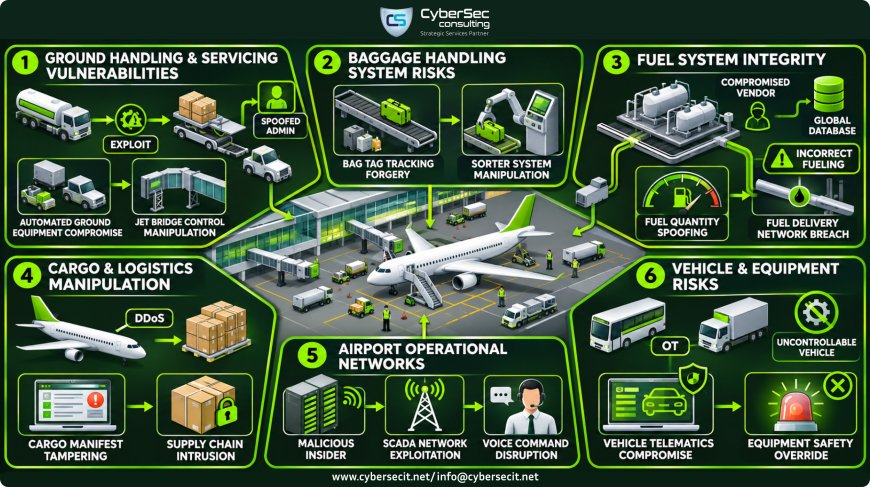
Airport ground operations depend on connected technologies, digital platforms and automated equipment to keep aviation activities running smoothly. Ground handling teams, aircraft maintenance providers, baggage operators, fuel suppliers and cargo service providers rely on interconnected systems to coordinate daily activities.
Major aviation hubs across Saudi Arabia, including Riyadh, Jeddah and Dammam, depend on these digital environments to support efficient airport operations. However, increased connectivity also creates cybersecurity risks. Weak network security, compromised user accounts, outdated systems and insecure third-party connections can expose critical ground operations to cyberattacks.
A cybersecurity incident affecting one operational area can create delays across multiple airport services. Aviation organisations should therefore include ground handling systems and airport operational technology in their cybersecurity assessment programmes.
Ground Handling Systems
Ground handling operations involve aircraft turnaround, baggage loading, passenger assistance, ramp services and equipment coordination. Digital platforms help ground handling teams manage schedules, allocate resources and communicate with airport operations departments.
Compromised ground handling applications or unauthorised access to operational systems can disrupt aircraft turnaround activities. Attackers may exploit weak authentication, outdated software, or insecure wireless networks to gain access to connected devices.
Airport cybersecurity assessments should examine application security, user permissions, endpoint protection, and network access controls. Strong identity management and continuous monitoring help protect ground handling infrastructure across Saudi airports.
Aircraft Servicing and Maintenance Systems
Aircraft servicing depends on digital maintenance platforms, electronic records, diagnostic tools, and communication systems. Maintenance teams use these technologies to manage servicing schedules, track equipment, and access technical information.
Cybersecurity weaknesses can expose sensitive maintenance records and connected service platforms. Compromised vendor accounts or insecure remote access may also create opportunities for attackers to access maintenance environments.
Aviation cybersecurity assessments should review maintenance application security, privileged access, endpoint protection, and third-party connectivity. Secure remote access and regular vulnerability management help reduce risks across aircraft servicing operations.
Baggage Management and Tracking Systems
Baggage management systems coordinate luggage registration, tracking, sorting, and transportation across airport terminals. Automated conveyors, barcode scanners, tracking applications, and baggage reconciliation platforms support these activities.
Cyberattacks against baggage handling infrastructure can interrupt sorting operations, affect luggage tracking, and create delays. Malware infections or compromised operational technology may also disrupt connected baggage management systems.
Airport OT security assessments should evaluate network segmentation, device security, software vulnerabilities, and access permissions. Regular penetration testing can help identify weaknesses across baggage management networks and connected airport systems.
Airport Fuel Management Systems
Airport fuel infrastructure supports aircraft refuelling, fuel storage, distribution, and monitoring. Digital control platforms and connected operational technology help manage fuel inventory, monitor equipment, and coordinate refuelling activities.
Insecure remote access, weak authentication, and exposed control systems can increase the risk of cyberattacks. A compromised fuel management environment may affect operational availability and create serious safety and business continuity concerns.
Cybersecurity assessments should review access controls, network architecture, remote connections,s and the security of connected control systems. Strong IT and OT security controls help protect airport fuel infrastructure and supporting services.
Cargo Operations and Logistics Systems
Airport cargo operations rely on digital platforms for shipment tracking, customs documentation, inventory management, and warehouse coordination. Airlines, freight forwarders, logistics providers, rs and airport operators exchange information through interconnected applications.
Attackers may target cargo management platforms to steal commercial information, compromise shipment records, or disrupt logistics operations. Phishing attacks and compromised vendor credentials can also expose sensitive cargo data.
Saudi Arabia's growing logistics and aviation infrastructure makes cargo cybersecurity an important consideration. Airport operators should assess application security, data protection, identity management, and third-party integrations.
Regular vulnerability assessments and secure network configurations help protect aviation cargo operations and airport logistics systems.
Airport Logistics and Equipment Management
Airport logistics involve the coordination of ground support equipment, vehicle movements, maintenance resources, and operational supplies. Connected devices and digital management platforms help teams monitor equipment availability and coordinate airport activities.
Insecure wireless connections, poorly protected devices, and outdated software can expose these environments to cyber threats. Attackers may attempt to access connected equipment management systems or compromise internal airport networks.
Airport infrastructure security assessments should examine device configurations, network access, endpoint security, and communication protocols. Network segmentation and continuous asset monitoring can help reduce exposure across connected logistics environments.
IT and OT Security Risks in Aviation
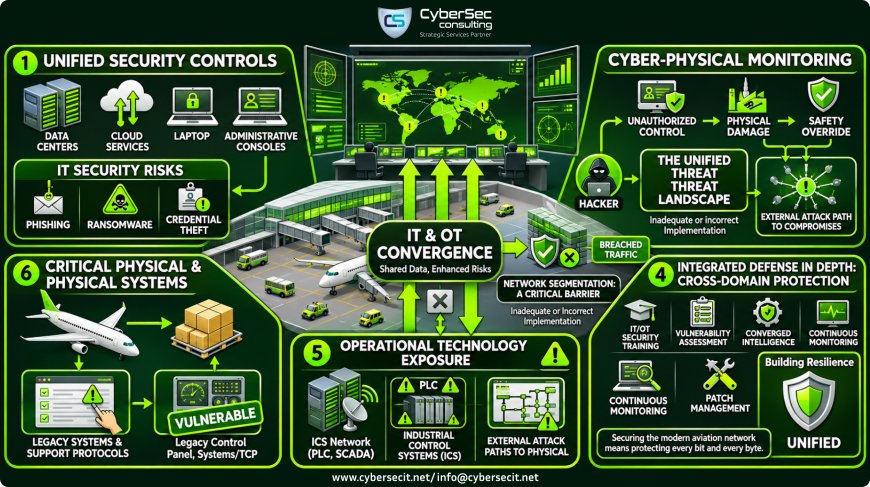
Modern airports across Saudi Arabia depend on interconnected Information Technology (IT) and Operational Technology (OT) environments. IT systems manage passenger information, airport applications, communication platforms, and business operations. OT systems control physical processes such as baggage handling, building management, fuel distribution, ground support equipment,t and airport infrastructure monitoring.
The growing integration of IT and OT improves airport efficiency and operational visibility. However, it also creates new cybersecurity challenges. A vulnerability in an office network or connected application could provide attackers with an entry point into sensitive operational environments.
Airports in Riyadh, Jeddah, Dammam, and other major aviation hubs need a strong IT and OT security strategy. Regular aviation cybersecurity assessments help identify weaknesses, protect critical infrastructure, and reduce the risk of operational disruption.
IT and OT Convergence Risks
IT and OT convergence allows airport business systems to exchange information with operational platforms. This integration supports centralised monitoring, automated processes, and better coordination across airport departments.
However, connected environments can increase the attack surface. A compromised IT network may create opportunities for attackers to reach connected OT systems. Weak access controls, insecure integrations, and insufficient monitoring can increase this exposure.
Airport cybersecurity assessments should examine communication between IT and OT networks. Security teams should review system connectivity, authentication controls, remote access, and data exchange mechanisms.
Strong security policies and controlled access between environments help protect airport infrastructure across Saudi Arabia.
Network Segmentation and Security Gaps
Network segmentation separates critical systems into controlled network zones. It limits unnecessary communication between business networks, airport applications, and operational technology.
Poor network segmentation can allow attackers to move laterally after compromising an endpoint or user account. This may expose sensitive airport management systems, baggage handling platforms, and connected control environments.
Airport network security assessments should evaluate firewall rules, access permissions, network architecture, and communication pathways.
Saudi airport operators should implement secure network segmentation to isolate critical OT infrastructure. Restricted connectivity and continuous network monitoring can help prevent threats from spreading across airport systems.
Legacy Systems and Outdated Infrastructure
Many airport environments depend on specialised equipment and software that operate for extended periods. Some legacy systems may no longer receive regular security updates or may have limited compatibility with modern security solutions.
Outdated operating systems, unsupported applications, and unpatched devices can create vulnerabilities. Attackers may exploit these weaknesses to gain unauthorised access or disrupt critical airport services.
Aviation cybersecurity assessments should identify unsupported systems, review patch management practices, es and evaluate configuration weaknesses. Vulnerability management helps organisations understand their exposure and prioritise remediation.
Airport operators in Saudi Arabia should maintain accurate asset inventories and establish appropriate protection measures for legacy infrastructure.
Industrial Control Systems and Airport Infrastructure
Industrial Control Systems (ICS) support monitoring and control functions across connected airport infrastructure. These systems may be used in building management, power distribution, fuel facilities, environmental controls, and automated baggage operations.
Compromised ICS environments can affect essential airport services. Weak authentication, insecure communication protocols, and exposed control interfaces may create opportunities for cyberattacks.
OT security assessments should review control system configurations, network access, remote connectivity,y and security monitoring capabilities.
Strong access restrictions, secure configurations and continuous monitoring help protect industrial control systems and connected airport infrastructure.
What Is an Aviation Cybersecurity Assessment?

An Aviation Cybersecurity Assessment is a structured evaluation of the security controls, digital infrastructure and operational technology used across airports and aviation organisations. It helps identify vulnerabilities, security gaps and potential risks that could affect airport systems, passenger services and ground operations.
Airports across Saudi Arabia are adopting smart airport technologies, automated baggage handling, biometric passenger processing and connected operational systems. These developments increase the need for effective airport cybersecurity solutions. A security weakness in one connected system can expose other parts of the airport network.
An aviation cybersecurity assessment evaluates the security of IT infrastructure, OT environments, airport applications, communication networks, cloud platforms, and connected devices. It also examines identity management, privileged access, third-party connections, and data protection practices.
Objectives of an Aviation Cybersecurity Assessment
The primary objective is to help airport operators understand their cybersecurity posture and reduce exposure to evolving cyber threats. A comprehensive airport security assessment focuses on several key objectives:
- Identify security vulnerabilities - Discover weaknesses across airport networks, applications, endpoints, and connected devices.
- Protect critical airport infrastructure - Evaluate security controls protecting baggage handling, passenger processing, airport management,t and ground operations.
- Strengthen identity and access management - Review employee accounts, contractor access, privileged identities, and authentication controls.
- Evaluate IT and OT security - Identify risks across connected business networks, operational technology, and industrial control systems.
- Improve regulatory readiness - Review applicable aviation security requirements, cybersecurity frameworks, ks and data protection obligations.
- Reduce operational disruption - Identify risks that could affect airport services, business continuity, and ground handling activities.
- Develop remediation strategies - Provide actionable recommendations to address identified vulnerabilities and improve security maturity.
How Does an Aviation Cybersecurity Assessment Work?
A structured assessment methodology helps aviation organisations identify security weaknesses and prioritise corrective actions. The process generally involves the following stages.
- Initial Consultation and Scope Definition - Understand the airport's infrastructure, business operations, technology environment, and security objectives. Define the assessment scope and identify critical systems that require protection.
- Asset Discovery and Security Review - Identify airport IT assets, OT devices, applications, network components, and third-party connections. Build an understanding of the systems supporting essential airport operations.
- Vulnerability Assessment - Examine infrastructure, endpoints, applications, and connected systems for known vulnerabilities, insecure configurations, and potential exposure points.
- Penetration Testing and Security Validation - Conduct authorised security testing to determine whether identified weaknesses can be exploited. Validate risks across approved systems and assess their potential operational impact.
- Risk Analysis and Gap Identification - Compare existing security controls against applicable requirements and recognised cybersecurity practices. Identify gaps in network security, access management, vulnerability management, monitoring, and incident response.
- Reporting and Remediation Planning - Prepare a detailed assessment report covering identified vulnerabilities, risk ratings, affected systems, and recommended corrective actions. Develop a prioritised remediation roadmap based on business impact and security exposure.
How Are Airport Cybersecurity Gaps Identified?
Airport cybersecurity gaps are identified by examining the difference between existing security controls and the protection required for critical airport systems.
Security teams review technical configurations, access permissions, network architecture, vulnerability reports, and operational security procedures. They also examine whether existing controls provide sufficient protection against potential attack scenarios.
For example, an airport may have network security solutions but insufficient segmentation between administrative IT systems and baggage handling infrastructure. Another airport may use biometric access controls but lack regular privileged account reviews.
These gaps can create opportunities for unauthorised access and wider network exposure.
Aviation cybersecurity assessments help organisations prioritise these weaknesses based on their severity, exploitability and potential operational impact.
Why Saudi Airports Need Regular Cybersecurity Assessments?

Saudi Arabia's expanding aviation infrastructure and smart airport initiatives require continuous attention to cybersecurity. Airports in Riyadh, Jeddah, Dammam and other growing aviation centres must protect connected systems against ransomware, identity compromise, network intrusions and operational technology threats.
Regular airport cybersecurity assessments help organisations maintain visibility into their security posture. They also support vulnerability management, regulatory readiness, third-party risk management and operational resilience.
Key Areas Covered in an Airport Cybersecurity Assessment
Airport infrastructure depends on multiple connected technologies to support passenger services, flight operations, baggage management and ground handling. Each system requires appropriate security controls to prevent unauthorised access, data exposure and operational disruption.
Airports across Saudi Arabia, including Riyadh, Jeddah and Dammam, need a comprehensive cybersecurity strategy to protect their digital infrastructure. An airport cybersecurity assessment evaluates critical security areas and identifies weaknesses that could expose aviation systems to cyber threats.
The following areas are essential for strengthening airport cybersecurity and protecting critical aviation infrastructure.
Network Security Assessment
Airport networks connect administrative systems, passenger services, flight information platforms, security infrastructure,e and ground operations. Poor network configurations can expose critical systems to unauthorised access and cyberattacks.
An airport network security assessment examines network architecture, firewall configurations, wireless security, communication pathways, and network segmentation. It also identifies exposed services and vulnerabilities that attackers may exploit.
Key assessment activities include:
- Reviewing firewall policies and network access controls.
- Identifying exposed network devices and services.
- Evaluating internal and external network vulnerabilities.
- Assessing network segmentation between IT and OT environments.
- Reviewing secure remote access and wireless network configurations.
- Strong network security helps Saudi airports protect connected infrastructure and maintain reliable airport operations.
Endpoint Protection and Security
Airport employees and operational teams use laptops, desktops, servers, mobile devices and specialised endpoints to access business applications and operational systems. Unprotected endpoints can become entry points for malware, ransomware and unauthorised access.
An endpoint security assessment evaluates device configurations, antivirus protection, endpoint detection and response capabilities, patch management and device access policies.
Key assessment activities include:
- Identifying outdated operating systems and vulnerable devices.
- Reviewing endpoint protection and threat detection controls.
- Evaluating patch management and software configurations.
- Checking device access permissions and security policies.
- Identifying potential malware and ransomware exposure.
Identity and Access Management (IAM)
Airport environments involve multiple user groups, including employees, airline personnel, maintenance teams, contractors,s and external service providers. Each group requires controlled access to specific applications and infrastructure.
Weak identity management can result in excessive permissions, unauthorised access and compromised user accounts.
An Identity and Access Management assessment examines how user identities are created, authenticated, managed and removed across airport systems.
Key assessment activities include:
- Reviewing employee and contractor accounts.
- Evaluating multi-factor authentication controls.
- Identifying inactive and duplicate user accounts.
- Assessing role-based access permissions.
- Reviewing identity lifecycle management.
- Evaluating access governance and authentication policies.
Privileged Access Management (PAM)
Privileged accounts provide elevated access to critical systems, servers, databases, and network infrastructure. These accounts require additional security because compromised administrative credentials can create significant risks.
Airport cybersecurity assessments should evaluate how privileged identities are managed and monitored across IT and OT environments.
Key assessment activities include:
- Identifying privileged accounts and administrative users.
- Reviewing password management and credential storage.
- Evaluating privileged session monitoring.
- Assessing just-in-time access controls.
- Reviewing third-party and vendor administrative access.
- Identifying excessive administrative permissions.
Cloud Security Assessment
Airports increasingly use cloud platforms to support passenger applications, data storage, communication systems, and business operations. Misconfigured cloud resources and weak access controls can expose sensitive information.
A cloud security assessment evaluates the security of cloud infrastructure, hosted applications, user permissions,s and data storage environments.
Key assessment activities include:
- Reviewing cloud configurations and security policies.
- Identifying publicly exposed storage and services.
- Evaluating cloud identity and access management.
- Reviewing encryption and data protection controls.
- Assessing cloud logging and security monitoring.
- Identifying vulnerabilities across cloud applications.
Aviation Compliance and Regulatory Requirements

Aviation cybersecurity compliance is an important part of protecting airport infrastructure, passenger information, and critical aviation operations. Airports, airlines, ground handling companies, es and aviation service providers must follow appropriate cybersecurity standards and regulatory requirements to protect their digital environments.
Saudi Arabia's aviation industry is expanding through smart airport initiatives, digital transformation and investments in connected infrastructure. These developments increase the importance of regulatory compliance, information security management and operational technology protection.
Airport operators in Riyadh, Jeddah, Dammam and other aviation centres must understand the cybersecurity requirements that apply to their operations. A structured aviation cybersecurity assessment helps organisations evaluate existing controls, identify compliance gaps and strengthen their security posture.
International Civil Aviation Organization (ICAO) Cybersecurity Guidance
The International Civil Aviation Organization (ICAO) provides international guidance to strengthen cybersecurity across the civil aviation sector. Its aviation cybersecurity framework focuses on protecting critical aviation infrastructure and improving resilience against cyber threats.
ICAO addresses cybersecurity through Annex 17, Aviation Security, including Standard 4.9.1 and Recommended Practice 4.9.2. Its guidance also covers cybersecurity governance, risk management, incident response, information sharing, and security awareness.
Airport operators and aviation service providers should consider relevant ICAO cybersecurity guidance when developing their security strategies.
Key areas include:
- Aviation cybersecurity governance and policies.
- Cyber risk identification and management.
- Protection of critical aviation infrastructure.
- Cyber incident response and emergency planning.
- Information sharing between aviation stakeholders.
- Cybersecurity awareness and employee training.
Saudi National Cybersecurity Authority (NCA) Requirements
The National Cybersecurity Authority (NCA) establishes cybersecurity controls and frameworks to protect information and technology assets across Saudi Arabia. Organisations within the applicable regulatory scope must understand and implement the relevant requirements.
Several NCA frameworks are particularly relevant when assessing airport cybersecurity.
Essential Cybersecurity Controls (ECC 2:2024)
The Essential Cybersecurity Controls set cybersecurity requirements for governance, risk management, asset protection, identity and access management, network security, vulnerability management, incident response, and business continuity.
Airport organisations that fall within the applicable scope should evaluate their security controls against the relevant ECC requirements.
Operational Technology Cybersecurity Controls (OTCC 1:2022)
The Operational Technology Cybersecurity Controls focus on protecting industrial control systems and operational technology against cyber threats.
These controls are particularly relevant when assessing airport baggage handling infrastructure, building management systems, fuel management platforms and connected operational equipment.
Critical Systems Cybersecurity Controls (CSCC 1:2019)
These controls address additional cybersecurity requirements for critical systems. They cover governance, cybersecurity defence, resilience, third-party security and cloud computing. Evaluate their applicability based on the organisation's critical system designation and regulatory obligations.
Data Cybersecurity Controls (DCC 1:2022)
The Data Cybersecurity Controls focus on protecting organisational data throughout its lifecycle. They support secure data management, access governance and information protection.
How to Strengthen Airport Cyber Resilience?
Airport cyber resilience is essential for protecting critical aviation infrastructure, passenger information and ground operations. Saudi Arabia's growing aviation sector relies on connected airport systems, digital passenger services, cloud platforms, and operational technology. These systems need continuous protection against ransomware, phishing, identity compromise, and network intrusions.
Airports in Riyadh, Jeddah, Dammam, and other major aviation hubs must adopt a proactive cybersecurity strategy. Effective airport cybersecurity combines continuous monitoring, vulnerability management, incident response, security awareness, access governance, and recovery planning.
The following measures can help Saudi airport operators improve aviation cybersecurity and maintain operational continuity.
Implement Continuous Security Monitoring
Continuous security monitoring helps airport security teams identify suspicious activities across IT infrastructure, airport networks,s and operational technology. Early detection can reduce the impact of cyberattacks on passenger services and ground operations.
Airport environments generate security events across flight information display systems, baggage handling platforms, access control systems, communication networks, and cloud applications. These systems require effective monitoring and threat detection.
Key security measures include:
- Monitor network traffic and endpoint activities.
- Detect unusual login attempts and unauthorised access.
- Review security logs across critical airport systems.
- Identify suspicious activities involving privileged accounts.
- Monitor cloud infrastructure and connected devices.
- Establish security alerts for critical system changes.
- Review potential threats through regular security analysis.
Establish Regular Vulnerability Management
Unpatched software, misconfigured systems, and exposed network services can create security weaknesses across airport infrastructure. Attackers may exploit these vulnerabilities to access sensitive systems or disrupt aviation operations.
Regular vulnerability management helps airport operators identify and prioritise security weaknesses before they become serious threats.
Key activities include:
- Conduct regular network vulnerability assessments.
- Perform penetration testing on critical applications.
- Identify outdated software and exposed services.
- Review and improve firewall and network configurations.
- Assess vulnerabilities across airport IoT and OT environments.
- Prioritise remediation based on business risk.
- Validate security fixes through follow-up assessments.
Develop an Effective Cyber Incident Response Plan
Airport cyber incidents can affect passenger check-in, baggage handling, flight information systems, airport communications, and ground operations. Delayed response can increase operational disruption and expose sensitive information.
A well-defined incident response plan helps airport security teams manage threats and coordinate recovery activities.
Important incident response measures include:
- Establish clear incident response responsibilities.
- Define procedures for identifying and reporting cyber incidents.
- Create escalation processes for critical security events.
- Isolate compromised endpoints and network segments.
- Investigate suspicious activity and determine its impact.
- Coordinate response activities with relevant stakeholders.
- Conduct incident simulations and response exercises.
- Review incidents to improve future security controls.
Strengthen Employee Security Awareness
Employees play an important role in airport cybersecurity. Phishing emails, weak passwords, social engineering, and unsafe handling of sensitive information can expose critical airport systems.
Airport employees, airline personnel, contractors, and ground handling teams should understand their cybersecurity responsibilities.
Security awareness programmes should cover:
- Phishing and social engineering prevention.
- Secure password practices and multi-factor authentication.
- Safe use of airport applications and devices.
- Reporting suspicious emails and system activity.
- Protection of passenger and employee information.
- Secure handling of removable storage devices.
- Awareness of insider threats and unauthorised access.
Conclusion
Aviation cybersecurity is essential for protecting airport infrastructure, passenger information and critical ground operations. Saudi Arabia's growing aviation sector depends on connected airport systems, digital passenger services, cloud platforms and operational technology. These environments require continuous security monitoring and proactive risk management.
Airports in Riyadh, Jeddah, Dammam and other major aviation hubs must regularly evaluate their cybersecurity posture. Ransomware, identity compromise, network intrusions and third-party security gaps can disrupt airport operations and expose sensitive information.
Proactive aviation cybersecurity assessments help organisations identify vulnerabilities, strengthen access controls and protect critical IT and OT infrastructure. Regular network security assessments, penetration testing, IAM reviews, cloud security assessments and compliance evaluations can reduce cyber risks and improve operational resilience.
CyberSec Consulting supports aviation organisations through comprehensive cybersecurity assessment services, identity and access management, network and endpoint security, cloud infrastructure security, IoT security and compliance risk management. Our capabilities help organisations identify security gaps, improve regulatory readiness, and implement effective cybersecurity controls.
Strengthen your airport cybersecurity strategy with CyberSec Consulting. Protect critical aviation infrastructure, secure passenger data, and improve cyber resilience across Saudi Arabia's aviation sector.
Explore our services to understand how your organisation can improve airport security and protect essential aviation operations.
FAQs
What is an aviation cybersecurity assessment?
An aviation cybersecurity assessment evaluates the security of airport networks, applications, IT infrastructure, and operational technology. It identifies vulnerabilities, access control gaps, and cyber risks that could affect airport operations. Saudi airport operators use these assessments to strengthen aviation security and protect critical infrastructure.
Why do airports need regular cybersecurity assessments?
Regular airport cybersecurity assessments help identify emerging threats, outdated systems, and security weaknesses. They reduce the risk of ransomware, data breaches, and operational disruption. Airports in Riyadh, Jeddah and Dammam can improve cyber resilience and support applicable Saudi NCA compliance requirements.
Which airport systems are most vulnerable to cyberattacks?
Flight Information Display Systems, baggage handling systems, passenger processing platforms and airport access control systems require strong protection. Airport networks, cloud applications, biometric systems, and connected IoT devices also face cybersecurity risks. Regular IT and OT security assessments help protect these critical airport systems across Saudi Arabia.
How can cybersecurity threats disrupt airport ground operations?
Cyberattacks can affect baggage handling, aircraft servicing, cargo management, fuel systems, and ground handling applications.
Ransomware or compromised networks may delay operations and interrupt essential airport services. Airport cybersecurity solutions help protect ground operations and maintain business continuity across Saudi aviation infrastructure.
What are the biggest cybersecurity risks facing the aviation industry?
Major aviation cybersecurity threats include ransomware, phishing, identity compromise, insider threats, and third-party attacks. Unpatched systems, insecure remote access, and exposed operational technology can increase airport security risks. Saudi airports need continuous monitoring, vulnerability management, and proactive cybersecurity assessments.
How does OT security protect airport infrastructure?
Operational Technology (OT) security protects systems that monitor and control physical airport operations. It helps secure baggage handling equipment, building management systems, fuel infrastructure, and industrial control systems. OT cybersecurity assessments identify vulnerabilities and strengthen protection across critical airport infrastructure in Saudi Arabia.
What's Your Reaction?
 Like
0
 Dislike
0
 Love
0
 Funny
0
 Angry
0
 Sad
0
 Wow
0