


























BFSI Cybersecurity in 2026: Integrating Offensive, Defensive, and Compliance Strategies
Explore BFSI cybersecurity strategies covering red teaming, VAPT, threat detection, IAM, SIEM, XDR, cloud security, risk management, and compliance for financial institutions.


Introduction
The cybersecurity posture of BFSI organisations in the UAE and Egypt now extends far beyond perimeter security and annual compliance audits. Financial institutions face growing risks across cloud environments, digital banking platforms, identity systems, APIs, third-party applications, and software development pipelines. CISOs and security leaders need a security strategy that combines offensive security testing, defensive monitoring, vulnerability assessment, threat detection, and regulatory compliance.
Strong BFSI cybersecurity also requires continuous visibility into emerging threats and exploitable weaknesses. This article explores how offensive security, defensive security, and compliance strategies are strengthening financial services security across the UAE and Egypt. It covers key cybersecurity threats, threat modelling, penetration testing, security monitoring, vulnerability management, compliance automation, and measurable security outcomes for modern BFSI environments.
Evolving BFSI Threat Environment
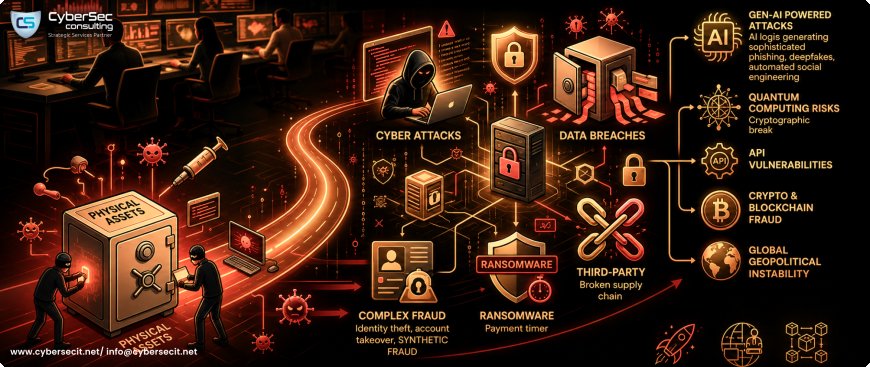
The threat landscape for banks, insurers, and fintechs is becoming more complex across the UAE and Egypt, driven by digital banking, cloud adoption, open banking, and expanding attack surfaces.
- RansomOps - Human-operated ransomware targets backups, privileged accounts, and disaster recovery systems before payload deployment.
- API Based Attacks - Credential stuffing, OAuth abuse, API exploitation, and business logic flaws threaten digital banking and open banking services.
- Supply Chain Risks - Vendor compromise, software dependencies, and CI/CD pipeline attacks can introduce security risks across BFSI environments.
- Cloud Misconfigurations - Public storage, exposed IAM roles, excessive permissions, and weak security policies can expose sensitive financial data.
- Identity-Based Attacks - Account takeover, privilege escalation, and compromised credentials can bypass security controls and access critical financial systems.
- Advanced Phishing - Business email compromise, credential harvesting, and AI-powered phishing campaigns target employees and financial users.
- Data Exfiltration - Attackers target customer records, payment data, financial information, and regulated data for theft and extortion.
- Insider Threats - Excessive privileges, compromised accounts, and malicious insiders can create significant risks across banking and fintech environments.
Offensive Security - Simulate, Adapt, Harden

Waiting for a security incident before taking action can expose BFSI organisations in the UAE and Egypt to significant cyber risk. CyberSec Consulting uses offensive security testing to help organisations identify exploitable weaknesses before attackers can leverage them.
Red teaming, threat hunting, penetration testing, and breach and attack simulation help security teams replicate real-world attack techniques and evaluate existing security controls. This approach helps validate whether cybersecurity controls, detection capabilities, and incident response processes can withstand realistic attack scenarios.
- Red Team Operations - Simulate targeted attacks against banking systems, digital platforms, identities, applications, and critical infrastructure.
- Threat Hunting - Investigate suspicious activity and uncover hidden threats across endpoints, networks, cloud environments, and identity systems.
- Breach and Attack Simulation - Continuously test security controls against relevant cyber threats, attack techniques, and adversary behaviours.
- Attack Surface Validation - Identify exposed assets, vulnerable applications, misconfigurations, and exploitable entry points across BFSI environments.
- Detection Engineering - Validate SIEM, SOC, EDR, and XDR capabilities against realistic attack scenarios and improve detection accuracy.
- Identity Attack Simulation - Test compromised credentials, privilege escalation, lateral movement, and access control weaknesses.
- Adversary Emulation - Replicate relevant threat actor techniques to evaluate security readiness across financial services environments.
- Security Control Hardening - Convert offensive security findings into actionable remediation, security hardening, and continuous improvement.
Red Teaming and Adversary Emulation
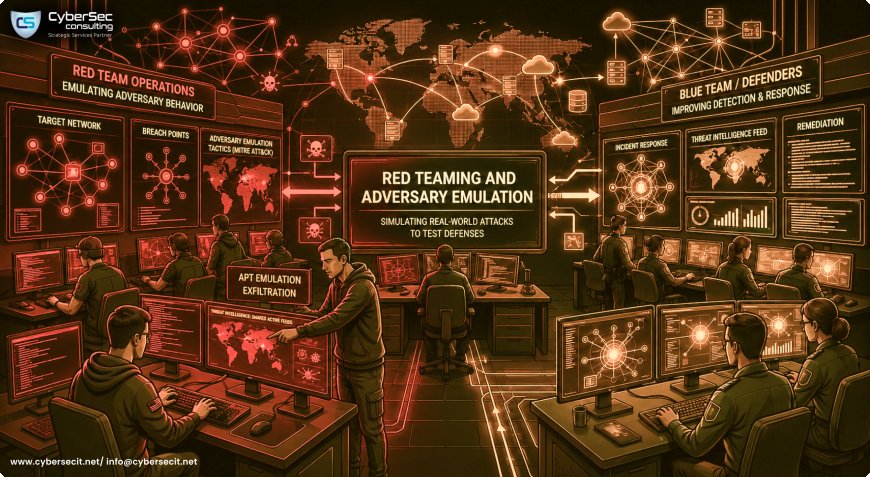
Modern red teams emulate advanced persistent threats, ransomware operators, and targeted cyberattacks to assess the security posture of BFSI organisations across the UAE and Egypt. Tactics include:
- Kerberoasting - Extracting service account hashes through Kerberos abuse and tools such as PowerView and Rubeus.
- Golden Ticket Attacks - Forging Kerberos Ticket Granting Tickets using Mimikatz to test Active Directory security.
- Domain Trust Abuse - Mapping Active Directory relationships with BloodHound and SharpHound to identify privilege escalation paths.
- EDR Evasion - Testing endpoint detection capabilities through obfuscated payloads, LOLBins, and memory-resident techniques.
- Credential Dumping - Simulating credential theft from endpoints to assess identity security and privileged access controls.
- Lateral Movement - Testing compromised credentials, remote services, and Active Directory paths to measure internal attack exposure.
- Command and Control Simulation - Emulating attacker communication channels to validate SOC, SIEM, EDR, and threat detection capabilities.
Proactive Threat Hunting Leverages Telemetry Across Hybrid Enterprise Environments

- Sysmon combined with Endpoint Detection and Response platform telemetry uncovers suspicious process execution hierarchies and parent-child anomalies.
- Security Event Logs highlight anomalous authentication events, ticket requests, and credential misuse across enterprise identity environments.
- Cloud Activity Records expose privilege escalation attempts, external API calls, and unauthorized identity governance modifications across cloud workloads.
- Network Traffic Analytics and NetFlow telemetry expose covert command-and-control channels, unauthorized data exfiltration, and lateral movement patterns across critical digital infrastructure.
- Identity Performance Logs and Directory Services telemetry track persistent credential dumping, unauthorized kerberoasting attempts, and privilege elevation inside hybrid enterprise domains.
Extended Threat Telemetry Ingestion Capabilities
- Endpoint logs capture execution events, file system modifications, process creation trees, and malicious behavioral indicators for rapid incident response.
- Identity telemetry tracks global sign-in telemetry, privilege escalation attempts, access anomalies, and account compromise vectors to combat identity attacks.
- Cloud security alerts stream notifications covering infrastructure misconfigurations, compliance policy violations, and unauthorized administrative actions across tenant workloads.
- Network traffic records inspect data flows, encrypted payloads, and connection logs to detect lateral movement, command and control communication, and unauthorized data exfiltration.
- Security Orchestration Automation and Response feeds aggregate threat intelligence metrics, sandbox analysis reports, and historical incident indicators across enterprise SOC environments.
- Application audit logs record API requests, privilege abuse patterns, and database query anomalies across mission-critical enterprise platforms.
- Vulnerability scanner data maps unpatched assets, exposure levels, and attack surface risk scores directly to real-time security events.
Extended XDR Context-Aware Correlation Capabilities
- Behavioral analytics evaluate anomaly patterns across hybrid enterprise environments.
- Threat scoring models map telemetry against MITRE ATT&CK framework techniques.
- Dynamic alert enrichment incorporates asset-critical risk scores and baseline user behavior profiles.
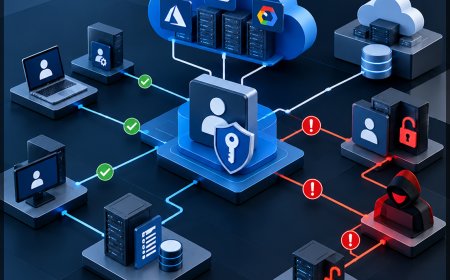
CISOs Prioritize Advanced Identity Protection Strategies Across Middle East Cloud Environments

- Just-in-Time Access mechanisms provision temporary elevated privileges to critical infrastructure, minimizing permanent attack exposure across enterprise platforms.
- Privileged Access Management solutions monitor administrative accounts to prevent credential misuse and mitigate insider risk across organizational assets.
- Device Compliance Controls verify security configurations, endpoint protection status, and full disk encryption before allowing corporate resource access.
- Identity Hygiene Audits review permission configurations to revoke excess access privileges and maintain compliance standards across corporate networks.
- Multi-Factor Authentication enforcement protocols require adaptive verification signals, preventing unauthorized access attempts and identity takeover incidents.
- Continuous Identity Risk Analytics monitor real-time session behavior to detect anomalous access patterns across hybrid cloud environments.
- Entitlement Management Frameworks automate access certification workflows to maintain zero trust security architecture across corporate directories.
Constant Governance Monitoring Tracks Security Posture Metrics Across Hybrid Enterprise Infrastructure

- Platform APIs pull configuration data from endpoint detection tools, perimeter firewalls, and identity access managers to validate active technical controls continuously.
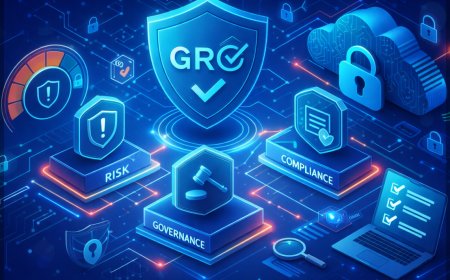
- Automated compliance engines map security controls against ISO 27001 standards, UAE NESA framework rules, Central Bank of Egypt cybersecurity guidelines, and SWIFT CSP regulations.
- Real-time notification systems alert security teams immediately whenever cloud storage buckets expose public access or administrator accounts disable multi-factor authentication.
- Automated audit evidence engines collect technical logs continuously to validate regulatory compliance during regional governance reviews.
- Identity governance modules identify policy drift, unauthorized role changes, and elevated account permissions across corporate directories.
- Cloud security posture monitors detect resource misconfigurations, unencrypted data stores, and exposed network interfaces across enterprise workloads.
Unified Risk Intelligence - Context Over Noise
Modern BFSI cybersecurity requires more than collecting security alerts. Financial institutions across the UAE and Egypt need contextual risk intelligence that connects assets, identities, vulnerabilities, and threats.
- UEBA - User and Entity Behavior Analytics identifies abnormal activity, insider threats, compromised accounts, and suspicious user behaviour.
- Risk Scoring Engines - Combine CVSS scores, exploitability, asset criticality, exposure levels, and user privileges to prioritise cybersecurity risks.
- Cyber Asset Attack Surface Management - CAASM provides visibility across cloud assets, endpoints, applications, APIs, and network infrastructure.
- Attack Path Analysis - Correlates vulnerabilities, identities, privileges, and asset relationships to identify realistic paths attackers could exploit.
- Threat Intelligence Correlation - Maps indicators of compromise, threat actors, vulnerabilities, and attack techniques to strengthen financial sector threat detection.
- Identity Risk Analytics - Connects user privileges, access patterns, authentication events, and identity anomalies to identify high risk accounts.
- Continuous Risk Monitoring - Tracks changes across assets, vulnerabilities, identities, and security controls to support proactive cyber risk management.
Metrics & ROI - Proving Security Works

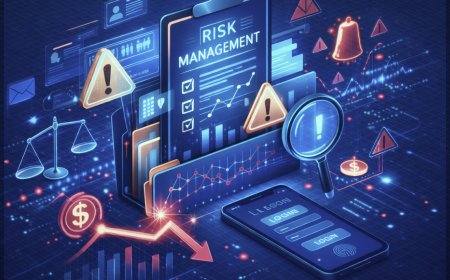
Cybersecurity leaders across the UAE and Egypt need measurable evidence that security investments reduce exposure and strengthen business resilience. CISOs must connect cybersecurity performance, risk reduction, incident response, and regulatory compliance with clear business outcomes.
Effective measurement requires real-time visibility beyond alert volumes, security tools, or compliance checklists. Metrics such as mean time to detect, mean time to respond, vulnerability exposure, control effectiveness, and incident impact provide stronger evidence of security performance. These insights help security leaders prioritise investments, demonstrate **cyber risk reduction**, and build executive confidence.
- Risk Reduction Metrics - Measure changes in critical vulnerabilities, exposed assets, attack paths, and overall cyber risk across the organisation.
- Security Control Effectiveness - Track detection coverage, control failure rates, false positives, and response performance across security technologies.
- Incident Response Performance - Measure MTTD, MTTR, containment time, investigation efficiency, and recovery performance during cybersecurity incidents.
- Compliance Performance - Map security controls and measurable outcomes against relevant UAE and Egypt cybersecurity regulations and compliance requirements.
- Attack Simulation Results - Compare red team and breach simulation findings to measure improvements in detection, prevention, and response capabilities.
- Security Investment ROI - Connect cybersecurity spending with reduced risk exposure, improved resilience, operational efficiency, and avoided business disruption.
- Executive Risk Reporting - Convert technical security data into actionable cyber risk dashboards that support board-level decisions and security investment planning.
CISO Action Plan
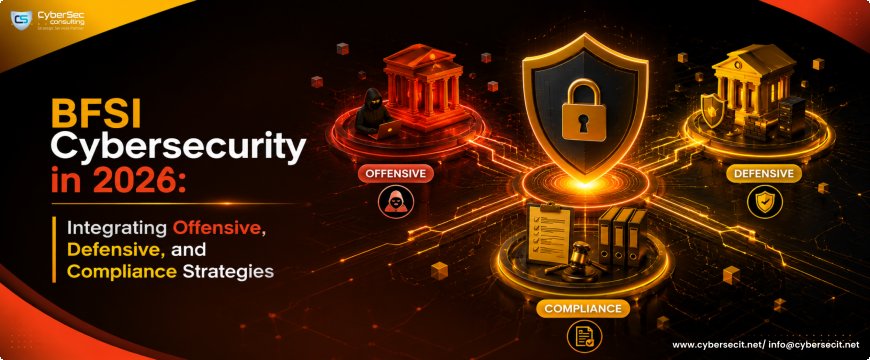
CISOs across the UAE and Egypt need a proactive security roadmap that connects threat detection, cyber risk management, compliance, and operational resilience.
- Establish Red Teaming - Build an internal red team or engage an external purple team to validate security controls against realistic cyberattack scenarios.
- Automate Threat Response - Integrate SOAR with SIEM, XDR, EDR, and threat intelligence platforms to accelerate detection, investigation, and incident response.
- Adopt Telemetry First Security - Deploy SIEM and XDR with UEBA capabilities to improve visibility across identities, endpoints, networks, cloud workloads, and applications.
- Enable Continuous Compliance - Replace periodic compliance reviews with live dashboards, automated evidence collection, and continuous security control monitoring.
- Measure ATT&CK Coverage - Use Breach and Attack Simulation and MITRE ATT&CK mapping to evaluate detection coverage and security control effectiveness each quarter.
- Prioritise Converged Risk - Correlate identity, asset, vulnerability, exposure, and threat intelligence data to focus remediation on the highest cyber risks.
- Secure the Extended Attack Surface - Treat CI/CD pipelines, cloud environments, APIs, and third-party vendors as critical components of the BFSI security model.
- Strengthen Identity Security - Apply IAM, PAM, MFA, and identity monitoring to reduce account takeover, privilege abuse, and unauthorised access risks.
- Validate Security Readiness - Conduct regular cybersecurity assessments, VAPT, threat assessments, and security posture reviews to measure resilience against evolving cyber threats.
Conclusion
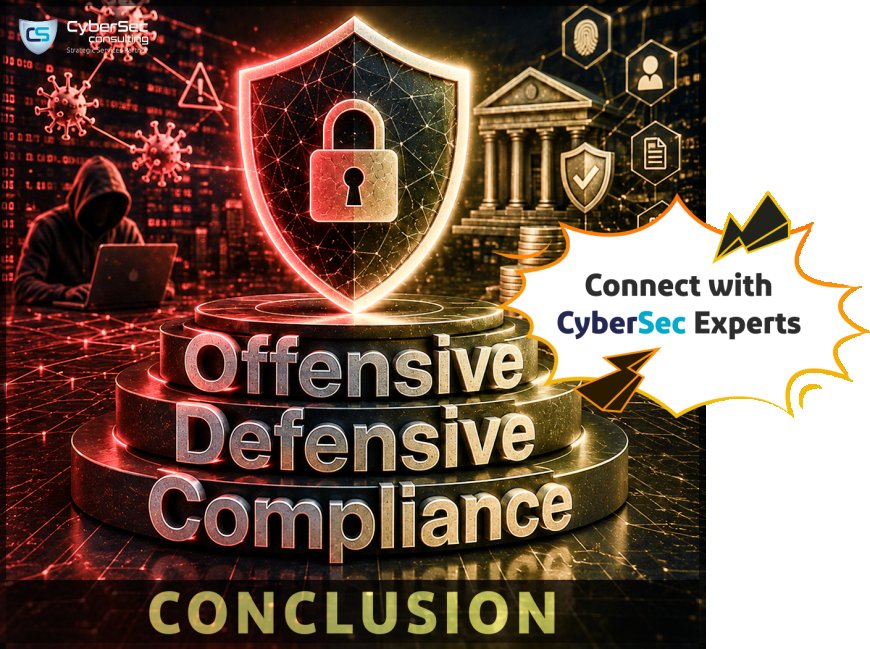
BFSI cybersecurity requires continuous visibility, validation, and improvement. Financial institutions face threats across identities, cloud workloads, APIs, applications, endpoints, and third-party ecosystems.
Offensive security helps uncover exploitable weaknesses before attackers can use them. Defensive security strengthens detection, monitoring, threat hunting, and incident response. Continuous compliance helps organisations maintain security controls and demonstrate regulatory readiness. Risk-based prioritisation brings these capabilities together. CISOs can connect vulnerabilities, identities, assets, threats, and business impact to focus resources where they matter most.
Strong cybersecurity also requires measurable outcomes. Metrics such as MTTD, MTTR, vulnerability exposure, detection coverage, and control effectiveness help security leaders demonstrate security value.
CyberSec Consulting delivers top-notch cybersecurity services and service-based solutions across vulnerability assessment, VAPT, penetration testing, red teaming, threat assessment, IAM, PAM, SOC, SIEM, XDR, cloud security, GRC, compliance, and managed security.
Ready to understand your real cyber risk?
Connect with CyberSec Consulting for a comprehensive cybersecurity assessment tailored to your organisation.
FAQs
Why is BFSI cybersecurity becoming more complex?
Digital banking, cloud adoption, APIs, fintech platforms, remote access, and third-party integrations have expanded the attack surface. Financial institutions need continuous cybersecurity monitoring and risk assessment to identify emerging threats.
What are the major cybersecurity threats facing BFSI organisations?
Key threats include ransomware, phishing, identity attacks, API attacks, cloud misconfigurations, supply chain compromise, data exfiltration, and insider threats. Attackers increasingly combine multiple techniques during a single campaign.
How does red teaming improve BFSI security?
Red teaming simulates realistic attacker behaviour against applications, identities, infrastructure, and security controls. The findings help security teams identify attack paths, improve detection capabilities, and strengthen incident response.
Why are VAPT and vulnerability assessments important for financial institutions?
Vulnerability assessment identifies security weaknesses across systems and applications. VAPT goes further by validating whether vulnerabilities can be exploited. These services help organisations prioritise remediation based on actual cyber risk.
How can CISOs measure cybersecurity effectiveness?
CISOs can track metrics such as Mean Time to Detect, Mean Time to Respond, vulnerability exposure, attack surface risk, detection coverage, control effectiveness, and incident containment time. These metrics connect cybersecurity performance with measurable business outcomes.
How can CyberSec Consulting help strengthen BFSI cybersecurity?
CyberSec Consulting provides cybersecurity assessment and service-based solutions covering VAPT, penetration testing, red teaming, threat assessment, IAM, PAM, SOC, SIEM, XDR, cloud security, GRC, compliance, and managed security services. Organisations can use these capabilities to identify risks, strengthen controls, and improve cyber resilience.
What's Your Reaction?
 Like
0
 Dislike
0
 Love
0
 Funny
0
 Angry
0
 Sad
0
 Wow
0