

188 reported telecom security incidents across 28 European countries in 2024. This represented a 20.5% increase compared with the 156 incidents reported in 2023, according to the European Union Agency for Cybersecurity.
16% of reported DDoS attacks targeted telecommunications companies in 2024, according to StormWall’s analysis. The sector also experienced an 86% annual increase in its share of DDoS attacks.
A single successful cyberattack can disrupt connectivity, expose subscriber information and damage the reputation of a telecom operator. The consequences can spread across mobile networks, internet services, enterprise communications and critical digital infrastructure.
Telecommunications providers operate at the centre of the digital economy. Mobile network operators, internet service providers, 5G providers and communication platforms depend on secure networks and reliable infrastructure. Cybercriminals and sophisticated threat actors target these environments to steal sensitive data, disrupt connectivity, exploit network vulnerabilities and gain unauthorised access.
CyberSec Consulting helps telecommunications organisations strengthen cybersecurity resilience, reduce exposure and protect the infrastructure that keeps businesses and communities connected.
Why Is Telecommunications Cybersecurity Critical?
Telecom networks support financial transactions, government services, healthcare communications, enterprise applications and connected devices.
A cyber incident affecting a telecommunications provider can therefore create consequences far beyond the organisation itself.
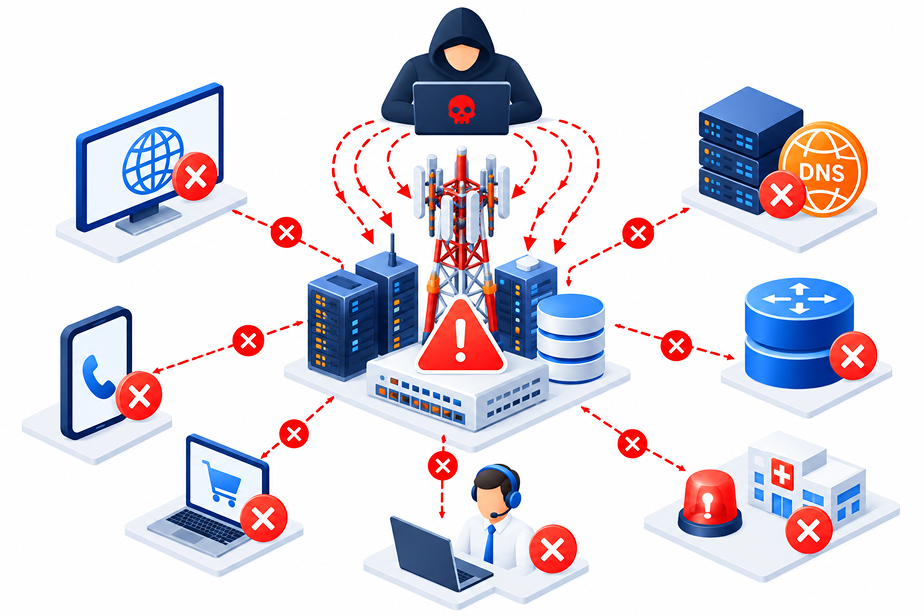
Network Outages and Service Disruption
- Distributed Denial of Service (DDoS) attacks can overwhelm network resources and make customer facing services unavailable. Attacks against DNS infrastructure, routing systems, signalling platforms or network management environments can affect connectivity and service delivery.
- Extended outages can interrupt business communications, online transactions, emergency coordination and customer support. Network disruption can also create significant revenue losses and contractual penalties.
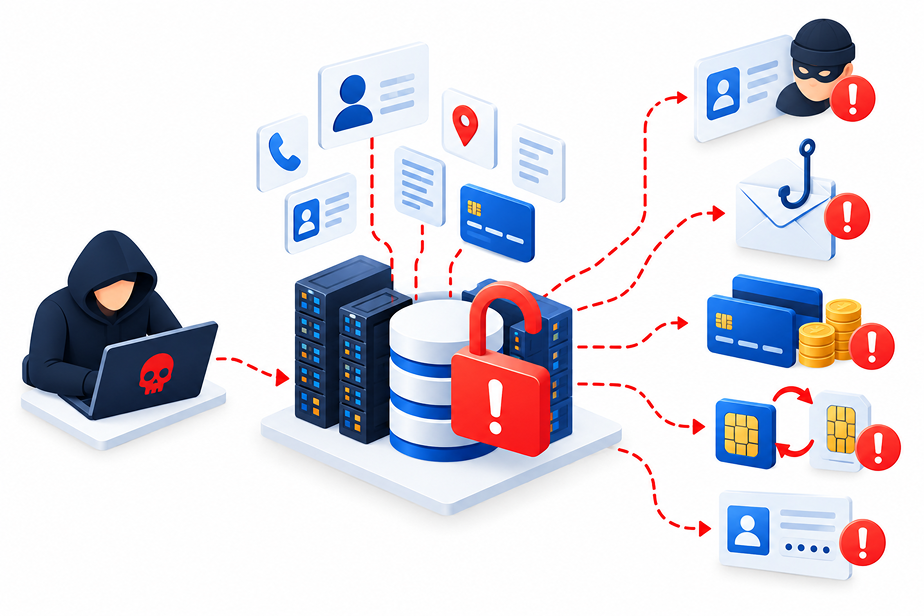
Subscriber Data Breaches
- Telecommunications companies store and process sensitive customer information. This may include names, contact details, account information, identification records, call metadata and authentication information.
- A telecom data breach can expose millions of customer records, depending on the scale of the compromise. Stolen information may support identity theft, targeted phishing, financial fraud, SIM swap attacks and further account compromise.
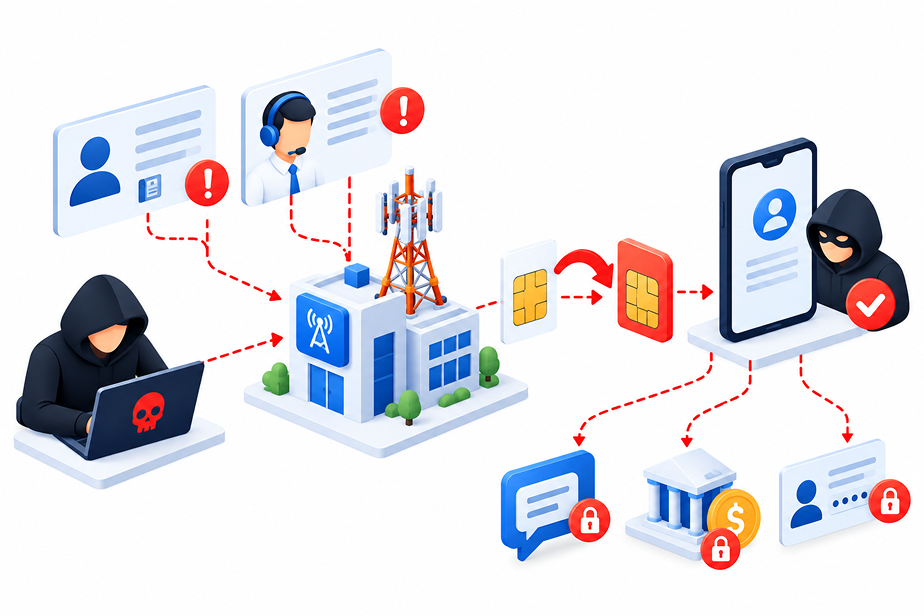
SIM Swap Fraud and Identity Theft
- SIM swap attacks allow criminals to take control of a subscriber’s mobile number. Attackers may exploit weaknesses in identity verification, customer support processes or account access controls.
- Compromised phone numbers can be used to intercept messages, bypass certain authentication mechanisms and target connected financial or business accounts. Telecom fraud prevention must address both technical weaknesses and weaknesses in customer verification processes.
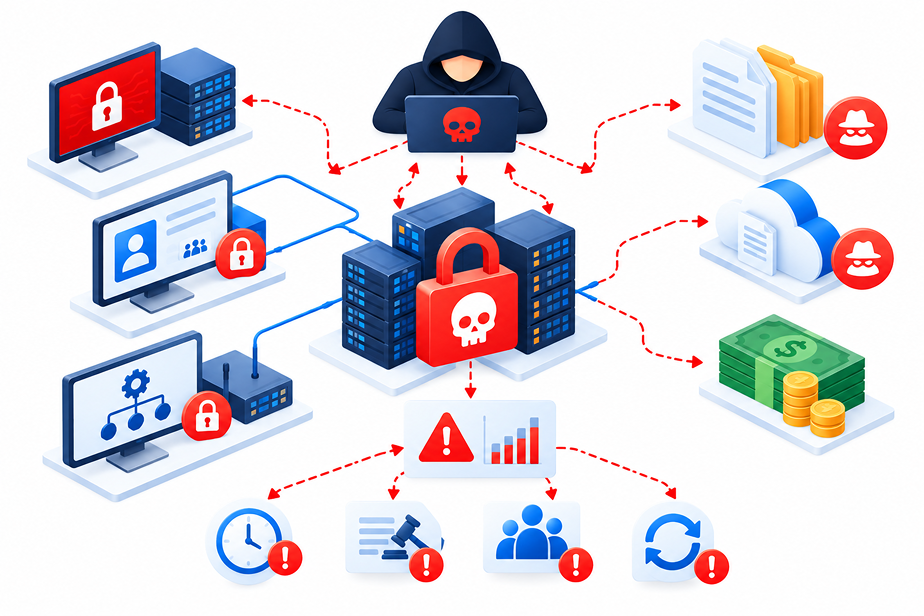
Ransomware & Network Infrastructure Compromise
- Ransomware can disrupt business systems, encrypt critical information and interrupt operational processes. A compromise affecting network management platforms, customer relationship systems or supporting infrastructure may delay service restoration.
- Attackers may also steal data before demanding payment. This creates simultaneous risks involving business continuity, regulatory obligations, customer trust and incident recovery.
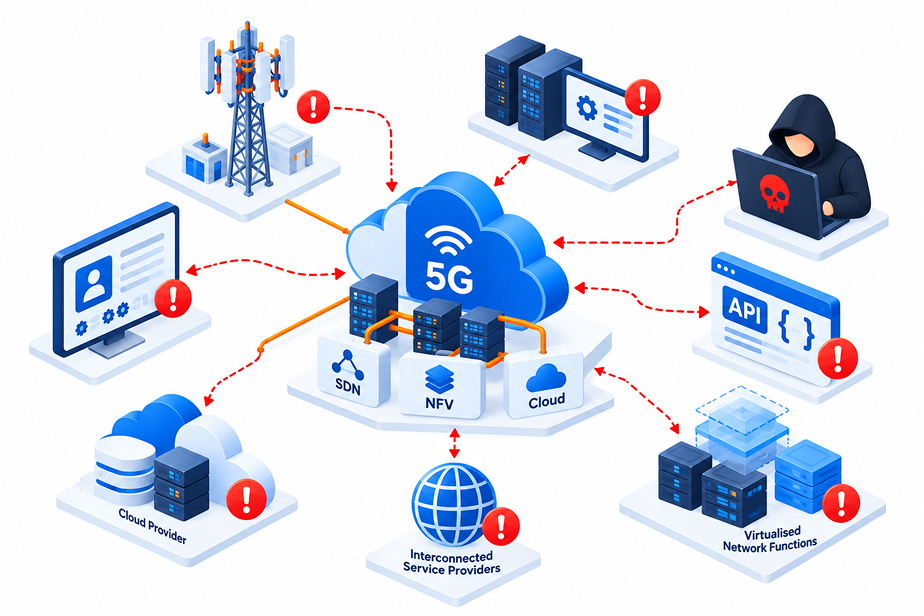
5G Cloud and Virtualised Network Risks
- Modern telecommunications environments increasingly depend on software defined networking, network function virtualisation, cloud platforms, APIs and interconnected service providers.
- These technologies create new security dependencies. Weak access controls, exposed management interfaces, insecure APIs and misconfigured cloud resources can create opportunities for attackers to gain access or move between connected systems.
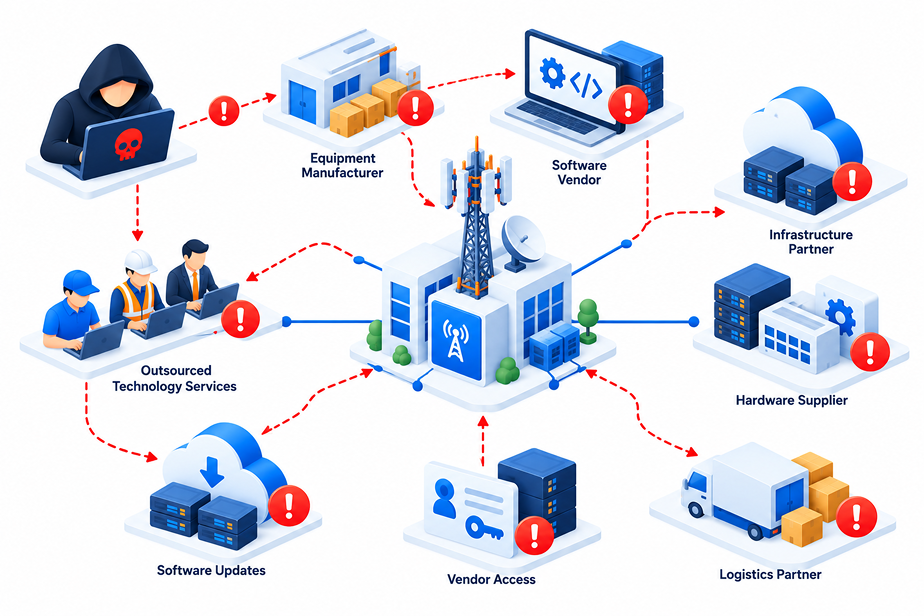
Supply Chain and Third Party Compromise
- Telecom providers rely on equipment manufacturers, software vendors, infrastructure partners and outsourced technology services. A vulnerability or compromise affecting one supplier may expose multiple connected organisations.
- Third party access, software updates and privileged vendor accounts require careful security oversight. Weak supplier controls can undermine otherwise strong internal cybersecurity measures.
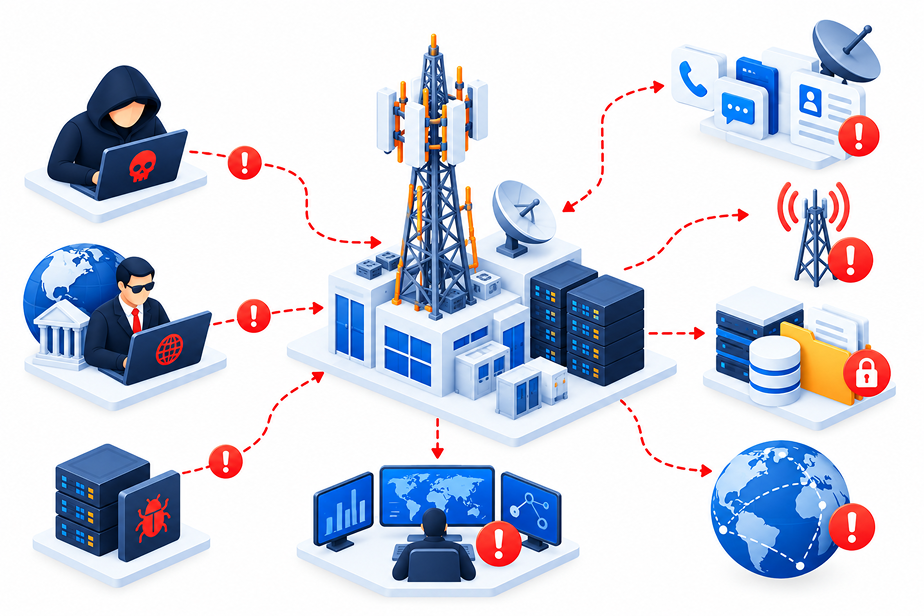
Espionage and Critical Infrastructure Threats
- Telecommunications infrastructure can hold intelligence valuable to cybercriminals and state linked threat actors. Attackers may seek persistent access, sensitive communications metadata or information about network operations.
- A successful intrusion can create risks involving surveillance, service manipulation, confidential information and national digital infrastructure. Telecom cybersecurity must address both immediate disruption and the possibility of hidden access that remains undetected.
What Happens When a Telecom Provider Suffers a Cyberattack?
The impact of a telecom cyberattack can extend across technical operations, business performance and public confidence.
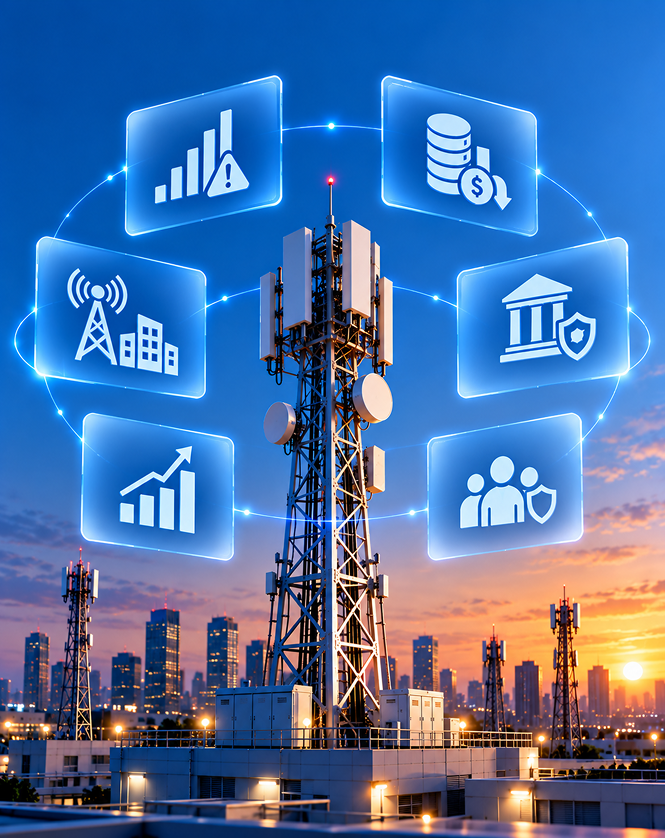

Operational impact
Network congestion, interrupted connectivity, unavailable customer portals and delayed service restoration.

Financial impact
Lost revenue, recovery expenses, customer compensation, contractual penalties and potential regulatory fines.

National infrastructure impact
Disruption to organisations that depend on mobile connectivity, enterprise communications and digital services.
Regulatory impact
Incident investigation, reporting obligations, compliance scrutiny and potential enforcement action.
Customer impact
Exposed personal information, SIM swap fraud, identity theft and loss of confidence in the provider.
Long term business impact
Customer churn, damaged brand reputation, reduced partner confidence and increased security expenditure.
Cybersecurity Challenges Facing Modern Telecom Providers
Securing Complex Network Environments
Telecom operators manage interconnected infrastructure spanning core networks, radio access networks, data centres, cloud services, enterprise systems and customer platforms. Incomplete asset visibility can leave exposed systems outside security oversight.
Controlling Privileged and Non Human Identities
Network engineers, administrators, contractors, automated services and APIs may require elevated access. Excessive permissions and unmanaged credentials can create pathways for unauthorised access.
Detecting Threats Before They Escalate
Large volumes of network activity can make suspicious behaviour difficult to identify. Security teams need clear visibility into unusual access, unexpected configuration changes, data movement and potential lateral movement.
Managing Vulnerabilities Across Connected Systems
Unpatched software, legacy network components, insecure configurations and exposed services can increase the risk of compromise. Telecom organisations need risk based prioritisation that considers the criticality of affected systems and their potential operational impact.
Protecting Customer Facing Digital Services
Mobile applications, self service portals, online account management and APIs create additional exposure. Weak authentication or application vulnerabilities may allow attackers to access subscriber accounts or abuse business functions.
Maintaining Resilience During a Security Incident
Telecom providers must prepare for incidents that affect multiple systems simultaneously. Effective response planning should account for network continuity, data protection, communication with stakeholders and safe restoration of critical services.
Strengthen Telecom Cybersecurity with CyberSec Consulting
CyberSec Consulting supports telecommunications providers that need to reduce cyber risk, protect critical infrastructure and improve security resilience. Our approach considers the business impact of an attack, the sensitivity of information and the operational importance of each environment.

Telecom Security Assessment
Identify weaknesses across telecom infrastructure, enterprise systems, applications and connected environments. Prioritise findings according to their likelihood, business impact and potential to disrupt critical services.
Network and Infrastructure Security
Improve the security of network environments, supporting infrastructure, endpoints and cloud connected systems. Address weaknesses that could allow unauthorised access, service disruption or movement between connected assets.
Identity and Access Management for Telecom
Strengthen identity governance, privileged access controls and authentication practices. Reduce excessive permissions and improve oversight of employees, contractors, service accounts and other non human identities.

Threat Assessment and Security Validation
Evaluate realistic attack paths and determine how weaknesses could affect network operations, subscriber data and business systems. Use risk based findings to help security teams prioritise corrective action.
Cybersecurity Monitoring and Incident Response
Improve visibility into suspicious activity and strengthen readiness for security incidents. Establish clear response processes that support investigation, containment, recovery and lessons learned.
Compliance and Cyber Risk Management
Align security priorities with applicable regulatory obligations, internal risk policies and industry requirements. Improve governance, evidence management and accountability across the telecom security programme.

Cybersecurity Support and Specialist Expertise
Strengthen internal teams through specialist cybersecurity expertise, technical support and skills development. Address capability gaps that affect security operations, infrastructure protection and long term resilience.
Build a More Resilient Telecommunications Network
Telecommunications providers cannot treat cybersecurity as an isolated IT concern. Network availability, subscriber privacy, identity security and operational continuity are directly connected to business performance and public trust. A proactive telecom cybersecurity strategy helps identify weaknesses before attackers exploit them, improves incident readiness and reduces the likelihood of prolonged disruption. CyberSec Consulting works with organisations to assess exposure, strengthen controls and build security programmes around their operational priorities
Assess Your Telecom Cybersecurity Risks
Protect your network. Secure subscriber data. Strengthen digital trust.
Talk to CyberSec Consulting →FAQs
Telecommunications companies provide connectivity for businesses, individuals and critical services. Cyberattacks can disrupt mobile networks, expose subscriber information, enable fraud and affect connected organisations. Strong telecom cybersecurity helps protect service availability, customer privacy, business continuity and digital trust.
Major threats include DDoS attacks, ransomware, subscriber data breaches, SIM swap fraud, phishing, credential theft, supply chain compromise, network intrusion and exploitation of software vulnerabilities. Risks can also arise through cloud infrastructure, APIs, privileged accounts and exposed network management systems.
A Distributed Denial of Service attack can overwhelm network resources or internet facing services with excessive traffic. Depending on the affected infrastructure and available defences, customers may experience slow connectivity, unavailable services or wider operational disruption. DDoS preparedness should include capacity planning, detection, mitigation and incident coordination.
Telecom companies should apply strong access controls, encryption, secure application design, vulnerability management and continuous security monitoring. Regular security assessments can identify weaknesses before they lead to unauthorised access. Incident response plans should also cover data exposure, investigation and applicable notification requirements.
SIM swap fraud occurs when a criminal convinces or manipulates a telecom provider into transferring a subscriber’s mobile number to a SIM controlled by the attacker. This can expose calls and messages and may help attackers compromise other accounts. Strong identity verification, controlled account changes and fraud monitoring can reduce the risk.
5G networks introduce complex dependencies involving virtualised infrastructure, cloud platforms, APIs, software components and interconnected suppliers. These environments require careful configuration, access control, vulnerability management and monitoring. Security must cover both network technology and the supporting systems used to manage it.
Operators should prioritise critical asset protection, secure privileged access, timely vulnerability remediation, network segmentation and reliable backups. Security teams also need tested incident response and recovery procedures. Regular assessments can help identify weaknesses that could allow ransomware to spread across connected environments.
A telecom cybersecurity risk assessment should examine network infrastructure, cloud services, customer applications, APIs, privileged identities, supplier access and sensitive data. It should evaluate vulnerabilities, attack paths, operational dependencies and potential business impact. Findings should be ranked by risk and translated into practical remediation priorities.
Telecommunications providers in the UAE should consider risks affecting 5G infrastructure, cloud connected services, customer information, digital identity and enterprise connectivity. Organisations should also assess applicable UAE cybersecurity and data protection requirements, including relevant regulatory obligations for their sector. CyberSec Consulting can help evaluate exposure and prioritise security improvements.
Telecom companies in Saudi Arabia can improve cyber resilience through risk based security assessments, privileged access management, network monitoring, vulnerability remediation and tested incident response plans. Providers should assess applicable National Cybersecurity Authority requirements and other relevant obligations based on their classification, services and regulatory scope.
Telecommunications providers across Africa may face risks involving DDoS attacks, fraud, exposed infrastructure, supplier dependencies, ransomware and limited security resources. Priorities vary by country and operator. Risk based assessments, stronger access controls, incident readiness and improved visibility can help providers protect network availability and customer information.
Telecom operators in Egypt should assess risks affecting subscriber databases, customer portals, mobile applications and identity verification processes. Appropriate safeguards include secure access controls, data protection measures, vulnerability management and incident response planning. Organisations should review their obligations under applicable Egyptian telecommunications and personal data protection laws.
Telecommunications providers in the UK should assess applicable obligations under the Network and Information Systems Regulations, UK data protection legislation and relevant telecommunications security requirements. The precise obligations depend on the organisation and services it provides. Security planning should address network resilience, incident reporting, supplier risks and protection of subscriber information.
Telecom providers in Qatar should evaluate risks across 5G infrastructure, virtualised network functions, cloud environments, APIs and third party dependencies. Asset visibility, secure configuration, access governance and incident response testing can help reduce exposure. Providers should also assess relevant requirements and guidance issued by Qatar’s National Cyber Security Agency and telecommunications regulator.
Cybersecurity assessments can identify weaknesses that attackers may exploit to disrupt network services. Evaluating critical assets, access pathways, configuration risks and recovery arrangements helps operators prioritise corrective action. Assessments cannot guarantee that outages will never occur, but they can improve preparedness and reduce avoidable exposure.
Telecom environments contain many privileged users, service accounts, applications and automated processes. Excessive permissions or compromised credentials can provide attackers with access to sensitive systems. Identity and access management helps enforce appropriate permissions, improve access visibility and reduce the risk of unauthorised activity.
Telecom companies should evaluate supplier security before granting access, limit permissions according to business requirements and review access regularly. Vendor accounts, software updates, outsourced operations and cloud dependencies should be included in risk assessments. Contractual security requirements and incident notification procedures also help improve supply chain resilience.
Incident response helps telecom providers investigate suspicious activity, contain threats, limit operational impact and restore affected services. Plans should define responsibilities, escalation paths, evidence handling, stakeholder communications and recovery procedures. Regular exercises help teams prepare for incidents involving networks, subscriber data and third party systems.
Copyright © 2026 CyberSec Consulting - All Rights Reserved