
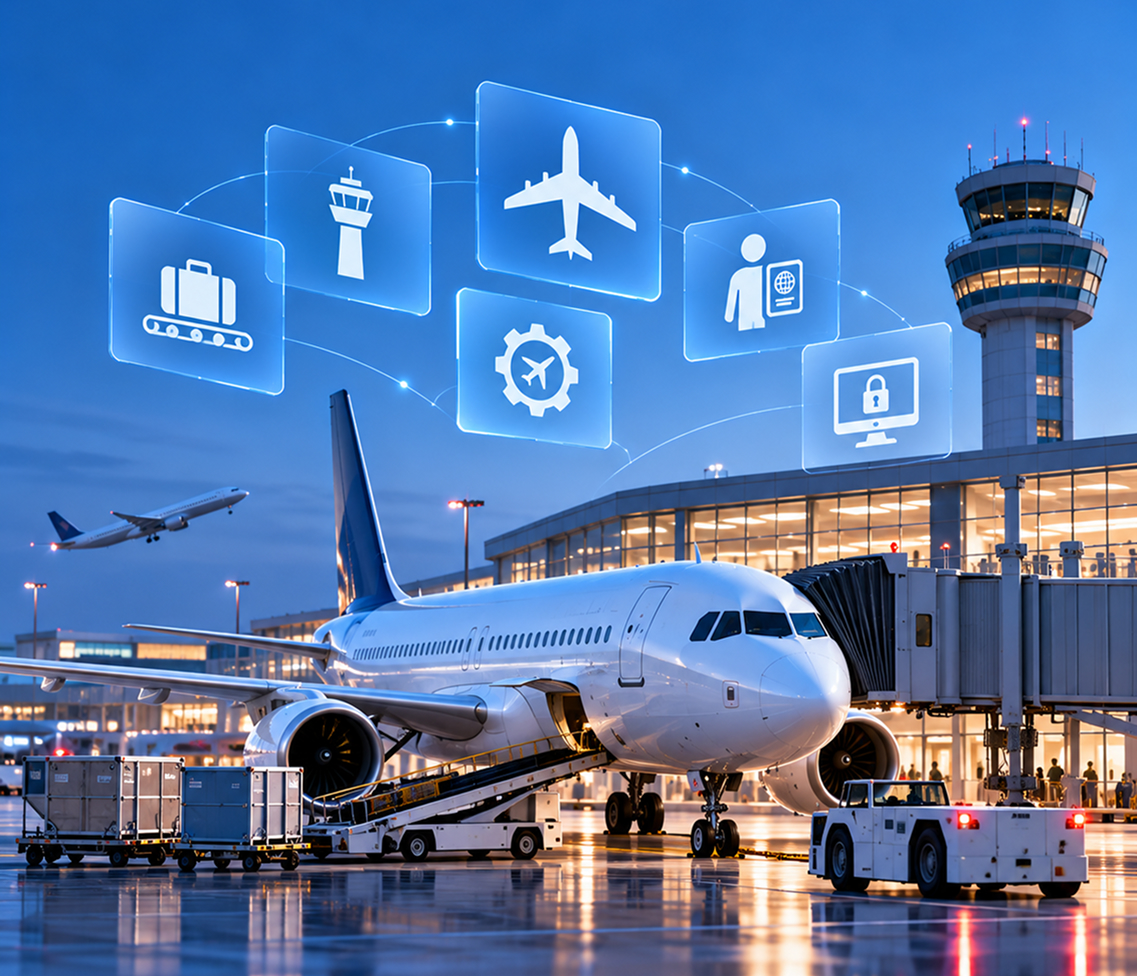
When Trust Is Your Currency, Security Is Your Foundation
8,630 cyber events were reported in aviation during 2024. The number rose from 6,320 in 2023 and 2,700 in 2022, according to the 2025 Report on Cyber in Aviation. These figures highlight the growing importance of aviation cybersecurity across connected systems and operations.
Aviation depends on connected digital systems. Airlines, airports, air navigation providers, aircraft maintenance teams and ground handling companies rely on technology to keep operations moving.
A successful cyberattack can disrupt check in systems, delay baggage handling, expose passenger information, interrupt airport services or affect systems that support flight operations.
The consequences can extend beyond financial losses. Cyber incidents affecting safety related systems may create serious operational and safety risks. The International Civil Aviation Organization recognises that aviation cybersecurity is closely linked to aviation safety, security and operational continuity.
Aviation Cybersecurity Starts With Understanding the Risk
Aviation organisations operate under demanding schedules and strict safety requirements. Even a limited cyber incident can disrupt interconnected operations.
Flight Operations Disruption
A cyber incident affecting operational support systems delay flight planning, disrupt dispatch processes or reduce access to critical information.
Airport Service Outages
Compromised airport systems can affect check in, boarding, baggage handling, passenger information displays and other essential services.

Air traffic management Risk
Air traffic management relies on dependable communications, information exchange and operational technology. A cyber incident affecting these systems can create serious disruption and require immediate operational safeguards.
Passenger Data Exposure
Airlines and airports process personal information, travel records, identity details and payment data. A breach can expose sensitive information and increase the risk of fraud.
Aircraft Maintenance Disruption
Maintenance systems store technical records, schedules, component information and work orders. Compromised data can delay maintenance activities and create additional verification requirements.
Cargo and Supply Chain Delays
Air cargo operations depend on digital documentation, tracking platforms and partner integrations. Cyber incidents can interrupt shipments and affect supply chain commitments.
Financial and Reputational Damage
Flight delays, service outages, incident recovery and customer concerns can create substantial costs. Public confidence may also suffer after a serious breach.

Why Aviation Is an Attractive Cyber Target
Modern aviation brings airlines, airports, technology providers, government agencies and logistics partners together through interconnected systems.
This creates a broad attack surface for cybercriminals and other threat actors.
Ransomware Attacks
Ransomware can disrupt airline applications, airport systems, business networks and essential support services. Attackers may also steal data before encrypting systems.

Phishing and Credential Theft
Employees may receive convincing messages that imitate airline management, suppliers, airport authorities or technology partners. Stolen credentials can give attackers access to sensitive systems.

Third Party Compromise
Airlines and airports depend on external technology providers, maintenance contractors, booking platforms and service partners. A weakness in one connected organisation can expose others.
Denial of Service Attacks
Distributed denial of service attacks can overwhelm websites, booking platforms and public facing digital services. Passengers may lose access to essential information or online services.

Data Breaches
Passenger records, employee details, travel information and commercial data can become targets for theft or extortion.

Operational Technology Exposure
Airports and aviation facilities use connected systems to support facilities, baggage handling, maintenance and other operational processes. Poorly controlled connections can increase cyber risk.

Insider Threats
Employees, contractors and privileged users may unintentionally expose systems or misuse access. Excessive permissions can increase the potential impact.

Supply Chain Attacks
A compromised software provider or service partner can introduce risk across multiple aviation organisations. Shared systems and trusted connections require careful oversight.
Aviation Cybersecurity Must Consider Safety and Continuity
Aviation cybersecurity is different because digital disruption can affect time sensitive operations and safety related processes. Security leaders must understand how a cyber incident could move through connected systems and affect operational decisions.
Operational continuity matters
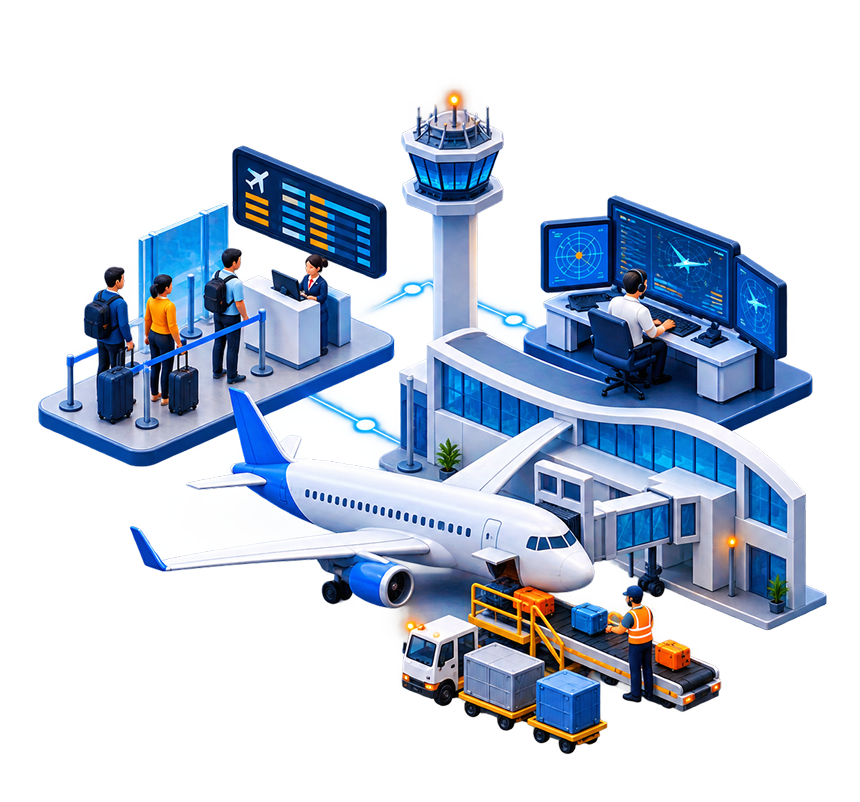
Airlines and airports need reliable systems to coordinate passengers, staff, aircraft, baggage and cargo.
Data integrity matters
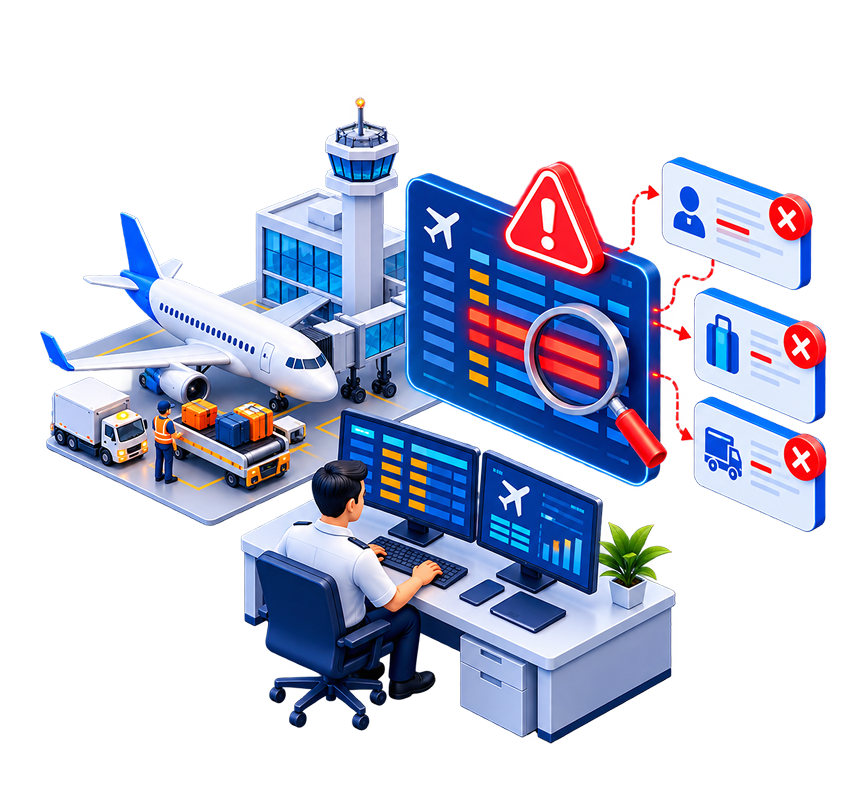
Flight, maintenance and passenger records must remain accurate and trustworthy. Unauthorised changes can affect operational decisions.
Access control matters
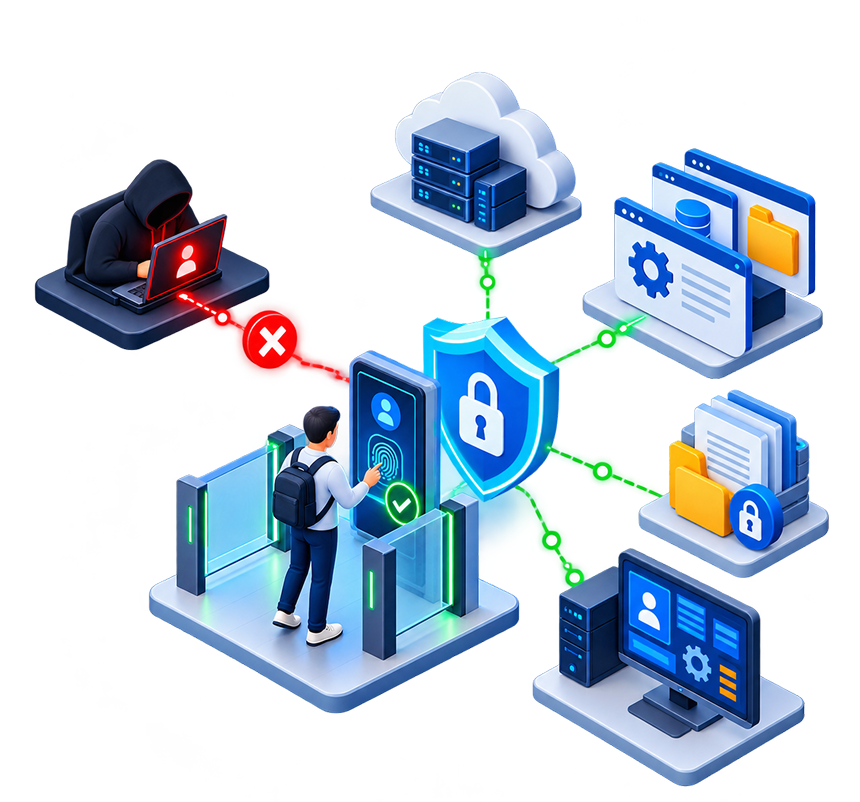
Employees, contractors and suppliers need appropriate access. Weak or excessive permissions can expose critical applications.
Incident readiness matters
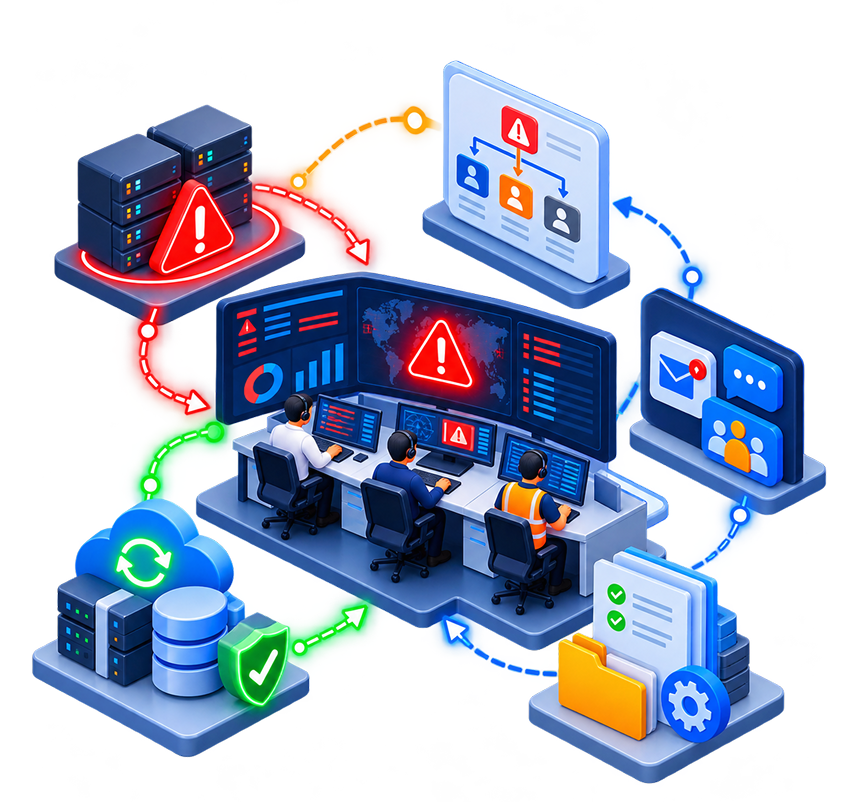
Clear response and recovery procedures help teams contain threats while keeping essential operations running.
Supplier security matters
Aviation depends on many connected providers. A weakness in one supplier environment can affect other organisations.
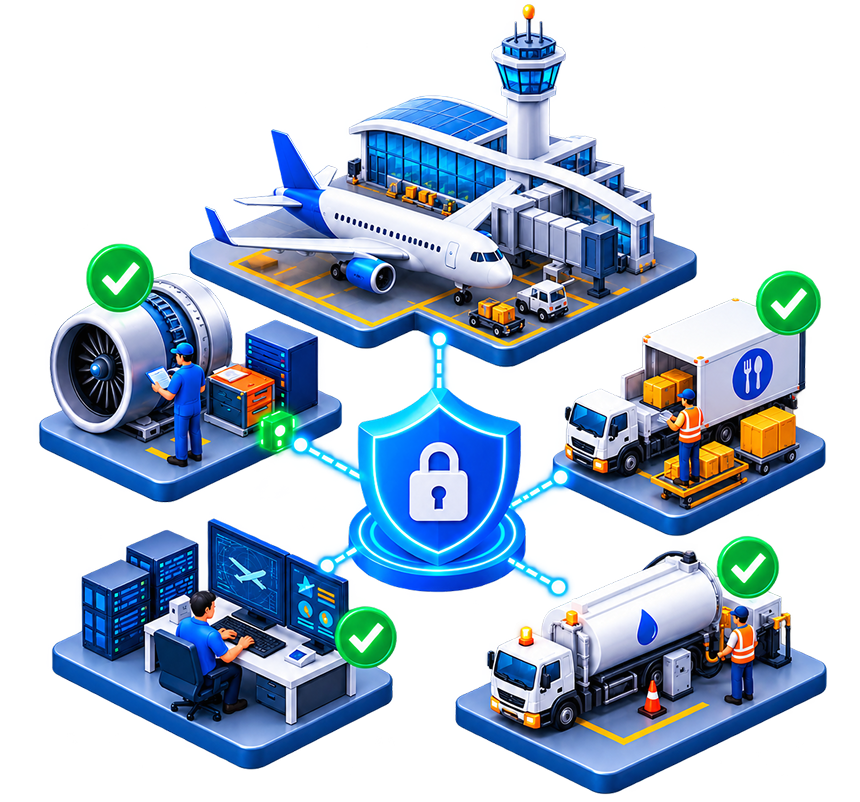
Which Aviation Organisations Need Cybersecurity?
Cybersecurity is relevant across the aviation ecosystem, including:
 Commercial airlines
 International airlines
 Regional and domestic airlines
 International airports
 Airport operators
 Air navigation service providers
 Ground handling companies
 Air cargo operators
 Aviation technology providers
 Airport logistics companies
 Aviation training organisationsAircraft leasing companies
 Aircraft maintenance and repair organisations
 Passenger service and reservation providers
 Air traffic management organisations
 Aircraft manufacturers and suppliers
Aviation Cybersecurity Challenges That Require Attention
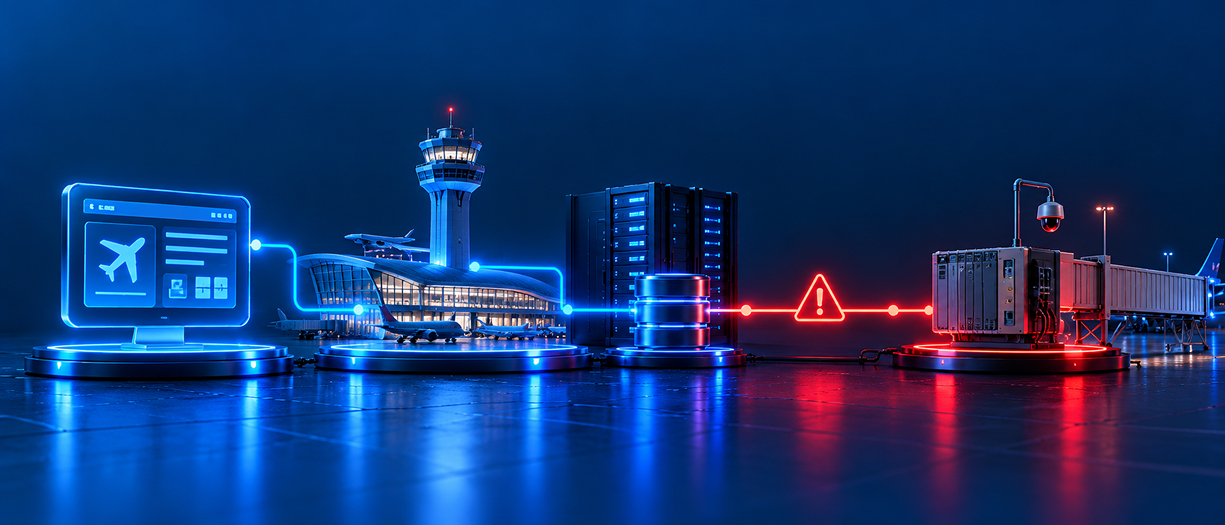
Connected IT and Operational Systems
Business applications, airport infrastructure and operational technology may exchange information across complex environments. Organisations need visibility into these connections and the risks they introduce.
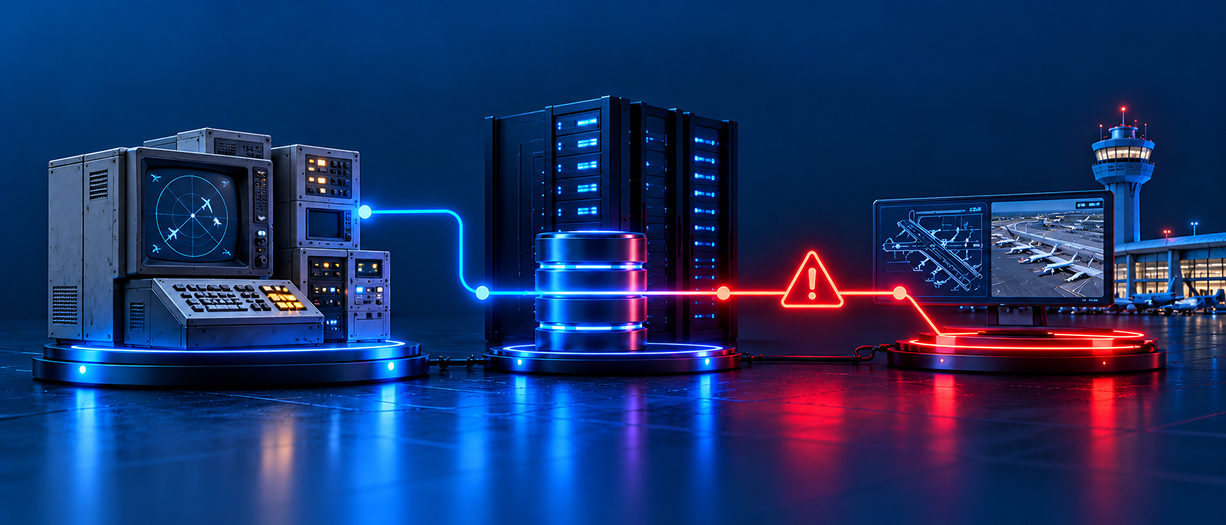
Legacy Technology
Some aviation systems have long service lives and strict availability requirements. Security changes must be planned carefully to avoid unnecessary operational disruption.
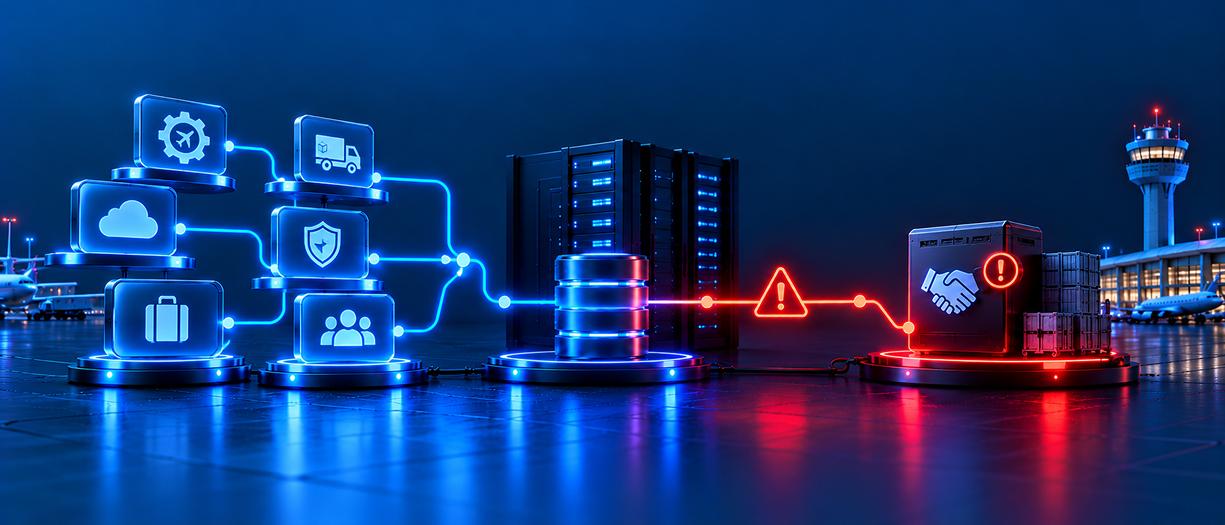
Evolving Compliance Expectations
Aviation organisations must understand the regulations and cybersecurity obligations applicable to their role and location. Requirements can vary across jurisdictions and operational categories.
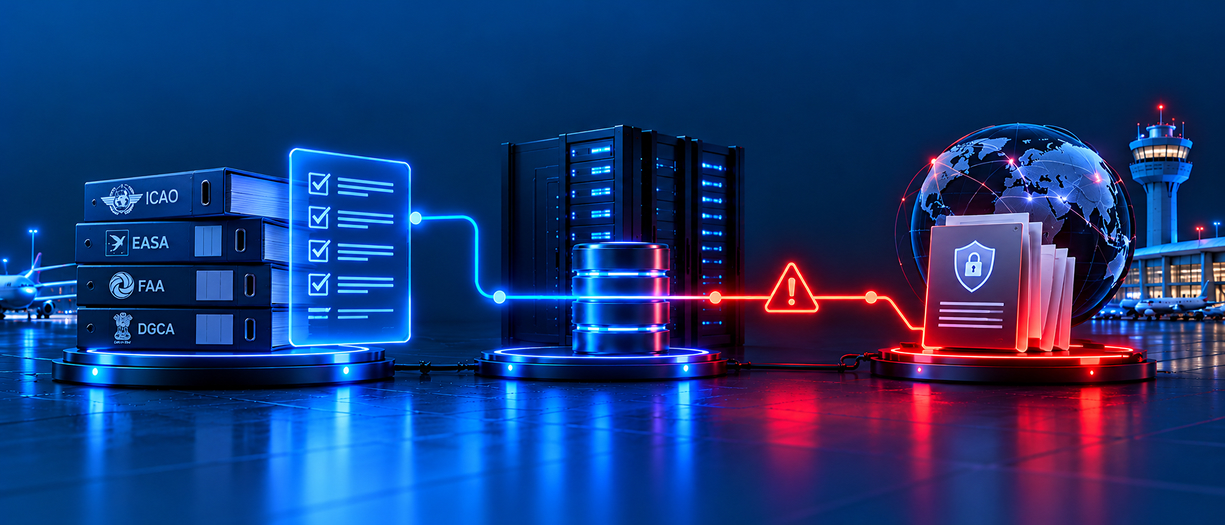
Complex Vendor Ecosystems
Aviation relies on many technology and service providers. Security gaps can emerge when supplier access, responsibilities and dependencies are poorly understood.
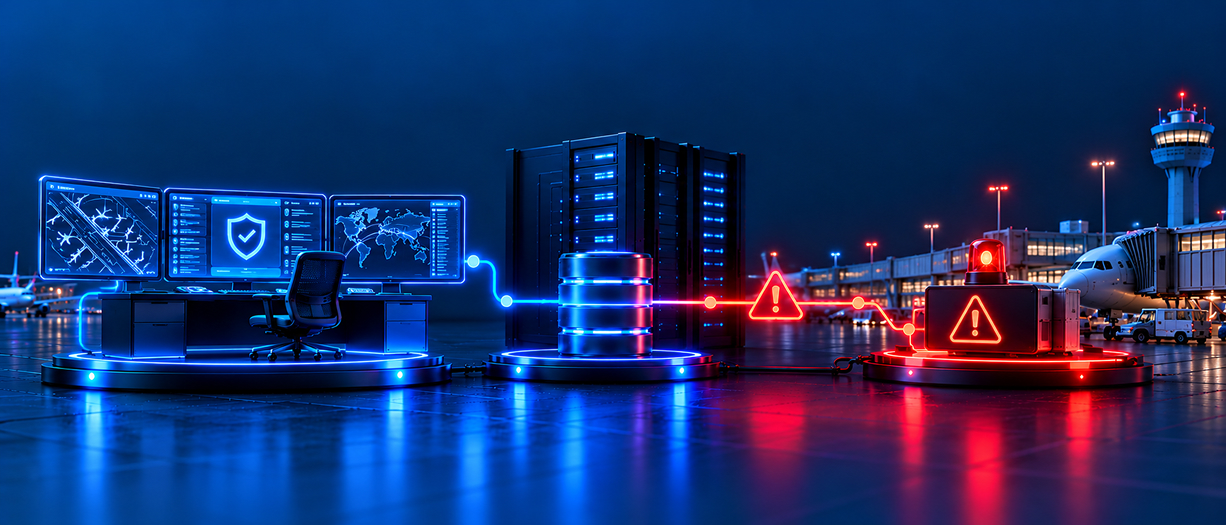
Limited Incident Response Windows
Airlines and airports often operate continuously. Security teams need clear procedures to contain threats while supporting essential operations.
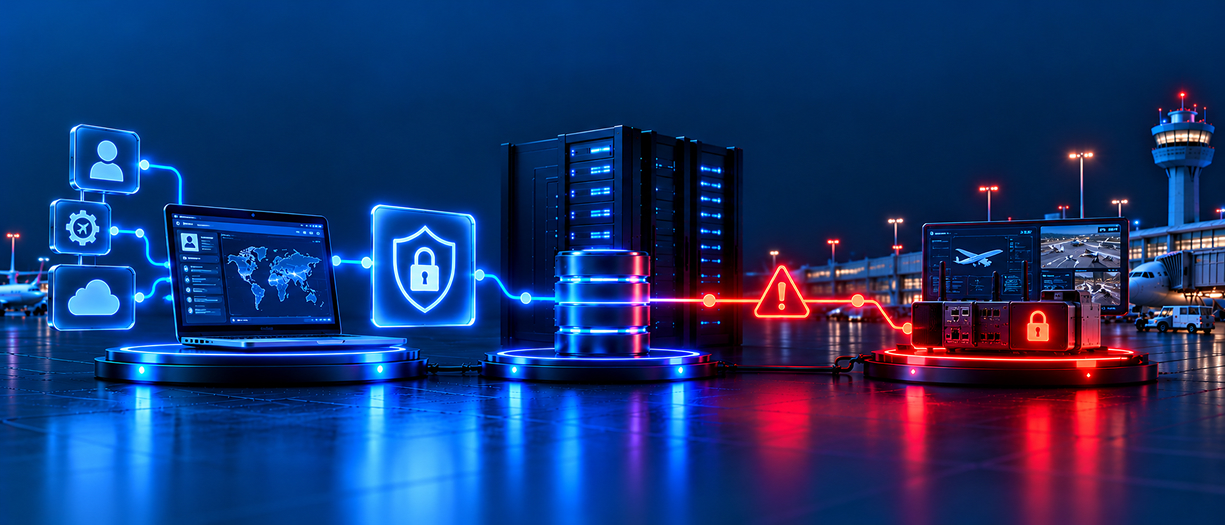
Remote Access
Remote maintenance, supplier access and distributed operations can create additional entry points. Access must be controlled, monitored and reviewed.
How CyberSec Consulting Supports Aviation Cybersecurity
CyberSec Consulting helps aviation organisations understand cyber exposure, strengthen security controls and improve readiness for disruptive incidents. Our focus is on the risks that could affect critical operations, sensitive information and business continuity.

Understand Your Aviation Cyber Risk
Identify weaknesses across enterprise networks, cloud platforms, user access, applications and connected operational environments.

Align Security with Business Priorities
Focus on the systems and processes whose compromise could create the greatest operational, financial or safety impact.

Strengthen Identity and Access Controls
Review access to sensitive applications, administrative accounts and systems used by employees, contractors and external providers.

Protect Sensitive Aviation Data
Improve visibility into risks affecting passenger information, maintenance records, commercial data and other critical information.

Improve Security Visibility
Help organisations understand suspicious activity, control gaps and weaknesses that may otherwise remain undetected.

Prepare for Cyber Incidents
Support stronger incident readiness through risk prioritisation, response planning and security control validation.

Identify Potential Attack Paths
Assess how an attacker could exploit exposed systems, compromised credentials or poorly controlled connections to reach critical assets.
Aviation Cybersecurity Across Critical Systems
Aviation organisations need to consider the relationships between digital services and physical operations.
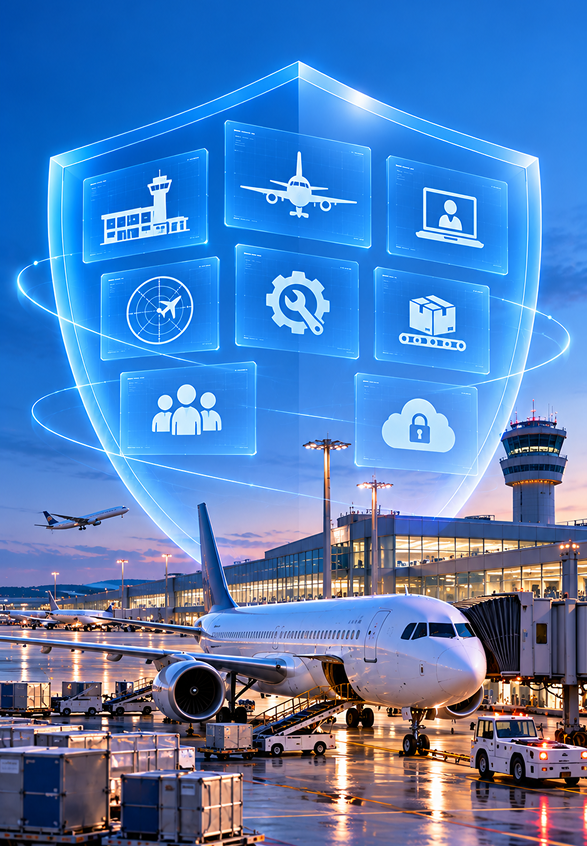
Airline systems
Protect operational applications, employee accounts and sensitive information

Airport infrastructure
Reduce exposure across connected services and business networks

Passenger platforms
Protect bookings, personal data and customer access
Air traffic support systems
Maintain dependable information flows and controlled access
Aircraft maintenance
Protect technical records, work orders and maintenance applications
Air cargo systems
Secure shipment records, tracking information and partner connections
Supplier networks
Reduce risk from external access and connected providers
Cloud environments
Protect identities, applications, data and administrative access
Aviation Cybersecurity and Regulatory Readiness
Aviation organisations operate within national and international safety and security frameworks. Cybersecurity planning should consider applicable civil aviation regulations, data protection obligations and industry requirements.
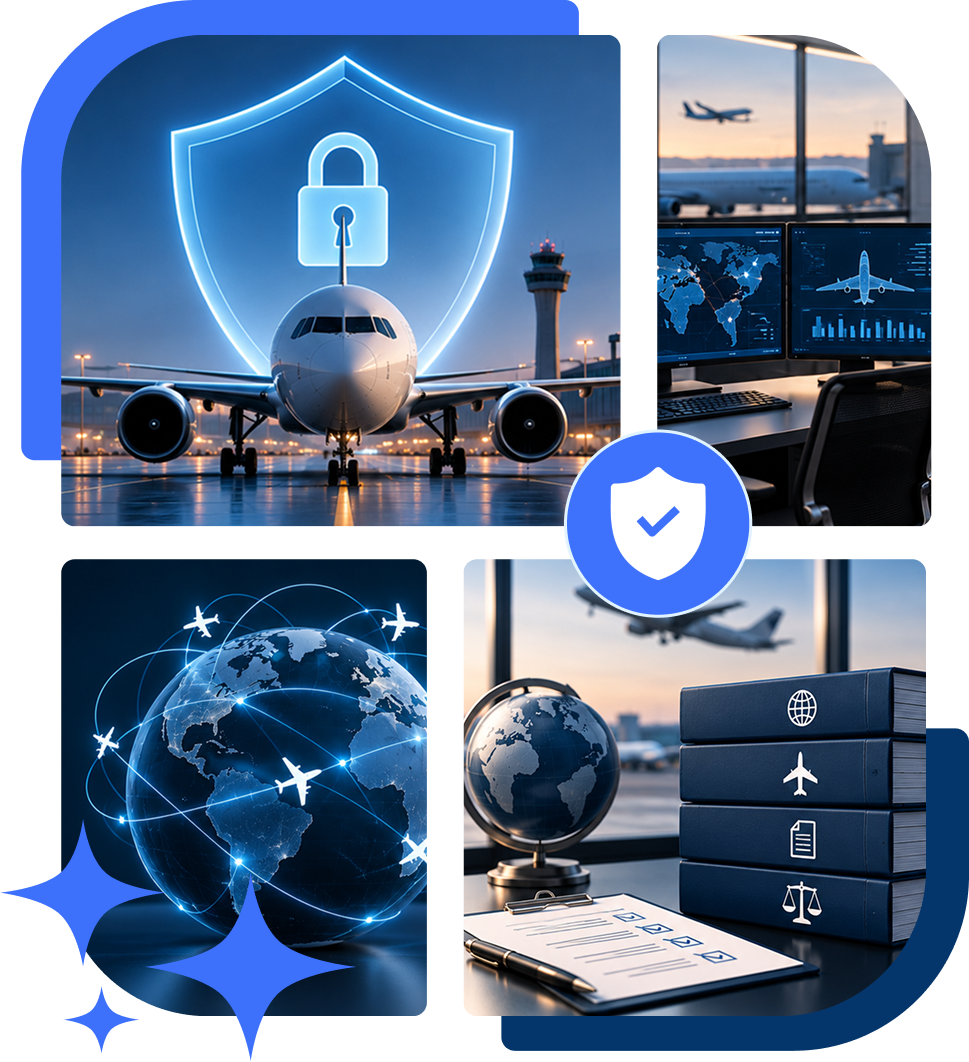
Relevant references may include:
Why Choose CyberSec Consulting for Aviation Cybersecurity?
Aviation organisations need cybersecurity that reflects real operational dependencies.
CyberSec Consulting brings cybersecurity and digital risk expertise to complex enterprise environments.
Our approach focuses on understanding risk, prioritising weaknesses and helping organisations improve their security posture.
We work toward practical answers to critical questions:
Keep Aviation Moving. Keep Cyber Threats in Check.
Aviation depends on trust, coordination and reliable technology. A cyber incident can disrupt passenger services, interrupt airport operations, expose sensitive data and place significant pressure on operational teams. Risks affecting safety related systems require particular care. Proactive aviation cybersecurity helps organisations understand their exposure, improve preparedness and protect critical digital operations. CyberSec Consulting helps aviation organisations strengthen cyber resilience and protect the systems that keep people and goods moving.
Strengthen Your Aviation Cybersecurity
Speak with CyberSec Consulting about your aviation cybersecurity priorities, critical system exposure and cyber resilience goals.
Talk to CyberSec Consulting →FAQs
Aviation cybersecurity helps protect airline systems, airport infrastructure, passenger information and connected operational services. A cyber incident can disrupt services, create financial losses and, where safety related systems are affected, introduce serious operational risks.
Major threats include ransomware, phishing, stolen credentials, data breaches, denial of service attacks, supplier compromise and attacks against exposed applications. The impact depends on the systems affected and the organisation's ability to contain the incident.
A cyberattack can interrupt check in, boarding, baggage handling, passenger information systems, internal communications and other digital services. The affected airport may need to activate contingency procedures and prioritise safe operations.
Aviation safety focuses on preventing accidents and reducing operational hazards. Aviation cybersecurity protects digital systems and information from compromise that could affect safety, security or continuity. Both areas need to work together.
Aviation companies can reduce ransomware risk through secure access controls, vulnerability management, network separation where appropriate, protected backups, employee awareness and tested incident response plans.
Aviation organisations in the UAE should assess risks affecting airport infrastructure, airline applications, passenger data, supplier access and connected operational systems. Security planning should reflect applicable UAE requirements and the organisation's operational role.
Aviation companies in Saudi Arabia can strengthen cyber resilience by assessing critical systems, securing privileged accounts, reviewing supplier connections, validating security controls and preparing for incidents that could disrupt operations.
Aviation organisations across Africa may face risks involving ransomware, phishing, exposed systems, supplier access and limited visibility across complex technology environments. Each organisation should prioritise controls according to its infrastructure, operational needs and threat exposure.
Aviation companies in Egypt can improve passenger data protection through controlled access, secure applications, data handling procedures, continuous risk reviews and compliance with applicable Egyptian privacy and cybersecurity requirements.
Aviation organisations in the UK should identify the aviation safety, information security, privacy and critical infrastructure requirements that apply to their operations. Their obligations depend on their activities, regulatory status and the systems they operate.
Airports in Qatar can reduce cyber risk by reviewing access to critical systems, protecting passenger platforms, assessing supplier connections, improving incident readiness and validating security controls across connected services.
Yes. A cyber incident affecting systems that support flight planning, dispatch, communications or other operational processes may cause delays or require contingency measures. The effect depends on the system involved and the available safety procedures.
Airlines depend on booking providers, maintenance companies, cloud platforms, ground handlers and other suppliers. A compromise at one provider can expose connected services or interrupt operations across multiple organisations.
Identity security helps ensure that employees, contractors and suppliers have appropriate access. Strong authentication, controlled privileges and regular access reviews can reduce the risk of compromised accounts reaching critical applications.
Connected systems can create pathways between business networks and operational environments. Assessments help organisations identify exposed connections, weak access controls and other issues that may increase the impact of a cyber incident.
Copyright © 2026 CyberSec Consulting - All Rights Reserved