
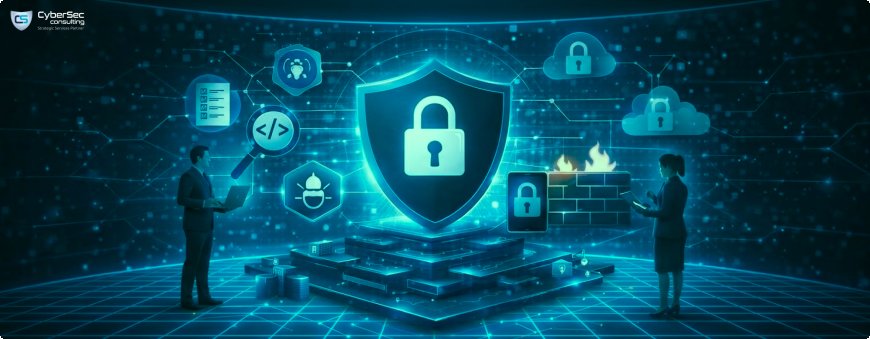
A recent ransomware incident forced CDK Global to pay nearly $25 million in Bitcoin to halt a devastating cyberattack that disrupted operations for almost two weeks. The impact was so severe that normal digital workflows collapsed, forcing teams to rely on pen-and-paper processes to keep business functions running.
This incident reflects a growing pattern across the global cybersecurity landscape. After every major data breach, organizations release similar statements - assurances that security remains a top priority, and commitments toward stronger cybersecurity frameworks, data protection, and enterprise security controls. Public communication gradually fades, yet another cyberattack emerges somewhere else, continuing the relentless cycle of ransomware attacks, data breaches, and cyber threats.
Every breach ultimately raises the same question: where does true accountability lie when enterprise cybersecurity defenses fail?
Expectations remain high, yet the challenge grows more complex as advanced persistent threats, ransomware groups, and AI-driven cyberattacks continue evolving across the global threat landscape.

Creating a strong enterprise cybersecurity program remains one of the most complex responsibilities for security leaders today.
Strict enforcement of HR policies and organizational conduct often exists, yet cybersecurity policies, security governance, and access control practices receive far less attention. Employees rarely face accountability for ignoring security protocols, phishing awareness guidelines, password policies, or data protection procedures, increasing exposure to cyber risks.
One of the first responsibilities of a Chief Information Security Officer (CISO) involves building strong cybersecurity awareness programs across the organization. Continuous education, leadership engagement, and executive buy-in become critical to embedding a cybersecurity culture that prioritizes data protection, identity security, and threat management.
Organizational response after a cyberattack often reveals the maturity of its cybersecurity strategy. Leadership attention toward incident reports, allocation of resources for cyber defense, adoption of security monitoring, and commitment to patch management demonstrate whether cybersecurity truly holds importance.
The complexity of the CISO role often goes unnoticed across business teams. Security leaders must simultaneously manage a wide range of critical cybersecurity functions, including:
Such responsibilities highlight why building a resilient enterprise cybersecurity framework, supported by Zero Trust architecture, Identity and Access Management (IAM), cloud security, and security operations, requires strategic leadership, technical expertise, and organizational commitment.

Reality across many organizations shows that building a strong enterprise cybersecurity program requires more than technical solutions alone. Challenges discussed earlier reflect common conditions across the modern cybersecurity landscape, where evolving cyber threats, ransomware attacks, and data breaches continue to test organizational resilience.
Progress toward stronger data protection, network security, and digital infrastructure defense resembles a marathon rather than a sprint. Each improvement—better identity and access management (IAM), stronger endpoint protection, improved threat detection, and enhanced vulnerability management—moves the organization closer to a resilient cybersecurity framework.
Another challenge within the cybersecurity industry involves excessive dependence on security tools. Rapid expansion of cybersecurity technologies, threat detection platforms, SIEM solutions, endpoint detection tools, and cloud security applications often creates operational complexity rather than clarity.
Effective cybersecurity programs require a balanced approach. Technology plays a critical role, yet people remain equally important for successful cyber risk management and security governance.
Successful security leaders build collaborative relationships across departments to encourage shared responsibility toward enterprise security, data privacy, and cyber resilience. Combining strong technology platforms with informed and responsible employees creates a far more sustainable cybersecurity framework.

Successful enterprise cybersecurity programs require more than technology, tools, or policies. Strong leadership and collaboration across departments play a critical role in strengthening cybersecurity governance, cyber risk management, and enterprise security frameworks.
A cybersecurity initiative that conflicts directly with departmental goals can face resistance, slowing down implementation of essential security controls, threat detection measures, and vulnerability management practices.
Routine improvements like enabling advanced security configurations, multi-factor authentication, log monitoring, or system hardening sometimes escalate to leadership discussions simply because operational teams prefer stability over change. Situations like these often create frustration for security professionals responsible for defending the organization against ransomware attacks, data breaches, insider threats, and cybercriminal activities.
Human psychology also contributes to these challenges. Security leaders may assume other departments share the same urgency toward cybersecurity risk management, yet many teams prioritize productivity, system availability, and business continuity instead. Recognition of these differences helps CISOs design more effective security communication strategies and cross-functional collaboration models.
Successful security leadership focuses on building alliances across departments. Security teams and operational teams share the same objective: protecting the organization against cyber threats, phishing attacks, ransomware campaigns, and sophisticated threat actors.
A collaborative approach encourages departments to participate actively in cybersecurity awareness, vulnerability scanning, system hardening, and security compliance activities. Decentralized participation allows teams to monitor and improve their own systems while the central security team maintains oversight across the organization’s security operations, threat intelligence, and vulnerability management programs.
Strong relationships across departments strengthen the foundation of any enterprise cybersecurity framework, enabling effective implementation of IT security policies, governance procedures, compliance programs, and risk mitigation strategies.

Building a resilient enterprise cybersecurity program requires more than deploying advanced security tools or implementing isolated security controls. Modern organizations must adopt a comprehensive cybersecurity strategy that integrates risk management, threat detection, Identity and Access Management (IAM), Zero Trust architecture, cloud security, and security operations. Cyber threats continue to evolve rapidly, driven by ransomware groups, advanced persistent threats, and increasingly sophisticated cybercriminal networks.
Sustainable cybersecurity success depends on continuous improvement, strong leadership, and cross-department collaboration. Security leaders must balance technology, governance, and people-centric security practices to build a mature cybersecurity framework capable of protecting critical business assets. Organizations that invest in cybersecurity awareness, proactive threat monitoring, vulnerability management, and robust incident response strategies will significantly strengthen their cyber resilience and reduce exposure to data breaches and cyberattacks.
Enterprises that treat cybersecurity as a strategic business priority rather than a reactive defense mechanism will remain better prepared for the evolving threat landscape.
CyberSec offers top-notch cybersecurity services and service-based solutions designed to help organizations strengthen their security posture, protect critical data, and build resilient cybersecurity frameworks. Connect with CyberSec to secure your enterprise against modern cyber threats.
Copyright © 2026 CyberSec Consulting - All Rights Reserved