
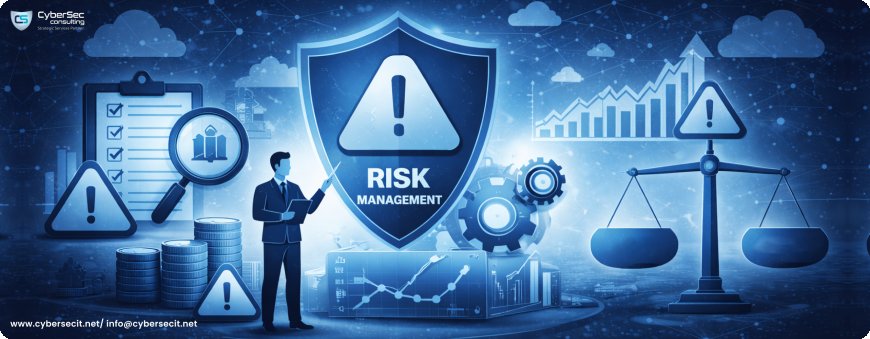
The risk management landscape is undergoing a transformation at an unprecedented pace, driven by rapid technological innovation, evolving workforce expectations, rising regulatory compliance pressures, and growing environmental responsibilities. Organizations focusing on cybersecurity risk management, AI governance, employee retention strategies, risk technology modernization, and sustainability compliance will gain a competitive advantage in 2026 and beyond.
Modern enterprises are facing complex challenges across cyber threats, artificial intelligence operations, workforce stability, digital risk platforms, and environmental impact management. Proactive organizations that align their enterprise risk management (ERM) strategies with these emerging trends will be better positioned to reduce exposure, ensure regulatory compliance, and strengthen business resilience.
Risk leaders, CISOs, and compliance teams must now adopt data-driven risk strategies, advanced risk analytics, and automated risk management solutions to stay ahead of evolving threats. A unified approach to cyber risk, AI risk, workforce risk, operational risk, and environmental risk is no longer optional—it is essential for sustainable growth.
Advanced risk management technology has become a critical enabler for modern organizations, especially across public sector and enterprise environments. Digital transformation, automation, and real-time analytics are redefining how risks are identified, assessed, and mitigated. The adoption of risk management software, integrated risk platforms, and digital risk solutions is helping organizations build stronger resilience and improve decision-making across all operational areas.
Modern risk technologies leverage advanced data analytics, artificial intelligence, machine learning, and real-time monitoring systems to deliver deeper visibility into emerging threats. These capabilities allow risk professionals to detect patterns, forecast potential disruptions, and respond quickly to evolving risks. Organizations investing in enterprise risk management (ERM) platforms, automated risk assessment tools, and compliance management software are better equipped to manage complexity and regulatory pressure.
Digital risk platforms empower risk teams to make informed, data-driven decisions while improving agility and responsiveness. The use of cloud-based risk management solutions, predictive risk analytics, and integrated governance tools enables centralized oversight and consistent risk reporting across departments and locations.
A strategic investment in risk technology, digital risk infrastructure, and automated risk intelligence strengthens organizational resilience, improves regulatory compliance, and supports proactive risk mitigation in an increasingly complex threat landscape.
Cybersecurity continues to rank as the top enterprise risk management priority, maintaining its position as the leading risk trend year after year. Industry reports consistently identify cyber risk, data breaches, ransomware attacks, and digital threats as the most critical challenges facing organizations. With predictions indicating that cybersecurity will remain the number one risk factor in the coming years, businesses must treat cyber risk management as a strategic imperative.
The cybersecurity threat landscape is growing more complex and aggressive, driven by advanced persistent threats (APTs), sophisticated malware, and expanding attack surfaces created by cloud adoption, remote work, and interconnected digital ecosystems. Organizations, especially those managing sensitive data, critical infrastructure, and public services, are increasingly targeted by cybercriminals seeking financial gain, disruption, or data theft. Strengthening cyber resilience, information security governance, and incident readiness has become essential for protecting operations and maintaining trust.
Ransomware remains one of the most disruptive cyber threats, with attacks on public and private organizations increasing globally. Strong incident response planning, backup strategies, and disaster recovery frameworks are now critical components of any effective cyber risk management program.
Cloud-based security solutions are playing a vital role in strengthening organizational defenses. These platforms deliver continuous security monitoring, data encryption, automated patching, and compliance enforcement, reducing operational risk and improving overall security posture. By leveraging secure cloud infrastructure, managed security services, and centralized security management, organizations can enhance protection, improve scalability, and ensure business continuity in a rapidly evolving threat environment.
Artificial intelligence is rapidly transforming business and public sector operations, driving automation, efficiency, and data-driven decision-making. From predictive analytics and real-time monitoring to process automation and intelligent risk forecasting, AI is reshaping how organizations manage operational risk, regulatory compliance, and incident response. The adoption of AI-powered risk management solutions, machine learning models, and intelligent automation platforms is enabling organizations to identify threats earlier and respond more effectively.
AI technologies are playing a critical role in risk prediction, compliance monitoring, fraud detection, and operational optimization. Advanced machine learning algorithms can analyze large volumes of data to detect anomalies, forecast emerging risks, and prevent potential disruptions before they escalate. Organizations leveraging AI governance frameworks, responsible AI practices, and secure AI architectures are better positioned to strengthen resilience and maintain trust across stakeholders.
Despite its benefits, AI adoption introduces significant risks related to data privacy, algorithmic bias, model transparency, and ethical misuse. Weak governance or lack of oversight can lead to compliance violations, reputational damage, and operational failures. Strong AI risk management strategies, ethical AI policies, and continuous model auditing are essential to ensure accountability and regulatory alignment.

Risk management in 2026 is no longer limited to traditional frameworks. The convergence of cybersecurity threats, AI-driven operations, workforce challenges, digital risk technologies, and environmental responsibilities has reshaped how organizations must approach enterprise risk. A fragmented or reactive strategy is no longer sufficient. Organizations that adopt integrated, data-driven, and technology-enabled risk management models will be better positioned to reduce exposure, maintain compliance, and ensure long-term resilience.
Cyber risk, AI risk, workforce risk, operational risk, and ESG risk must be addressed through a unified governance structure supported by advanced analytics and automation. Investing in cyber resilience, AI governance, digital risk platforms, and sustainability compliance is now crucial to safeguard business continuity and maintain stakeholder trust. A proactive risk culture, backed by strong leadership and the right technology, enables organizations to anticipate threats, respond faster, and adapt with confidence.
CyberSec Consulting offers top-notch risk management services, including cybersecurity risk management, AI risk governance, enterprise risk frameworks, digital risk platforms, and compliance solutions. Connect with CyberSec Consulting to strengthen your risk posture, improve resilience, and stay ahead of emerging threats.
Connect with CyberSec Consulting to implement risk management strategies and to learn more about Compliance and Risk Management Services.
For More Information, Click on - Compliance and Risk Management
For More Updates on CyberSecurity Insights & Trends: Visit CyberSec Consulting
Copyright © 2026 CyberSec Consulting - All Rights Reserved